
Wikimedia Commons / CC BY-SA 3.0, via Wikimedia Commons
Figleaf gourd: complete guide
Cucurbita ficifolia
¿Quieres ver Figleaf gourd: complete guide en tu jardín?
1 minuto, sin tarjeta de crédito
Overview
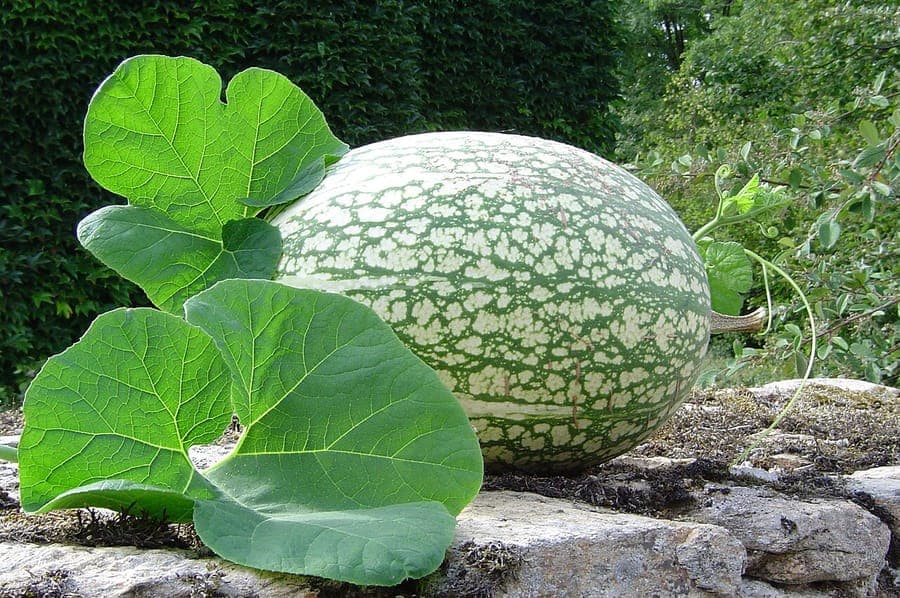
The figleaf gourd (Cucurbita ficifolia) is a striking climbing plant from the Cucurbitaceae family, native to the highlands of Peru and Bolivia. What makes this species unique among gourds is its distinctive foliage – the leaves genuinely resemble fig leaves, giving the plant exceptional decorative value. The plant also produces impressive dark green to blackish fruits that can grow quite large.
This plant is also known as Asian pumpkin, Malabar gourd, Thai marrow, and fig-leaf squash. While less familiar in British gardens than American pumpkin varieties, it's gaining popularity among gardeners seeking something different and exotic.
Appearance & bloom cycle
The figleaf gourd is a vigorous climbing plant that can reach 3-4 metres in height. The most distinctive feature is the foliage: leaves are large, deeply lobed, and genuinely fig-like in shape. They can reach 20-30 cm in width and have an interesting structure that gives the plant a tropical appearance even in temperate climates.
Flowers are yellow to orange with a diameter of about 5-7 cm, appearing from July onwards and flowering through September. The plant produces both male and female flowers; bees and other insects naturally handle the pollination.
Fruits appear from September onwards and can become quite large – sometimes 20-25 cm long. They're round to oval, with dark (often nearly black) or dark green skin and yellow to orange flesh.
Ideal location
Choose a sunny spot. The figleaf gourd thrives with at least 6-8 hours of direct sunlight daily. It can also grow in less sunny positions, though fruits will be smaller.
This climbing plant takes well to espalier training. Sturdy support structures are essential to bear the heavy fruits – use a strong trellis, framework, or robust pergola. Wind protection is important too, as mature plants laden with fruit can suffer damage in strong winds.
Soil requirements
The plant isn't fussy about soil but grows best in moisture-retentive, humus-rich material. Standard garden soil amended with compost or well-rotted manure works well.
PH should be neutral to slightly acidic (6.5-7.5). The plant is tolerant and performs acceptably in less-than-ideal conditions provided drainage is good – waterlogging must be avoided.
Before planting, work in 5-10 litres of compost or manure per planting position. Heavy soils benefit from added sand or gravel to improve drainage.
Watering
The figleaf gourd needs plenty of water, especially during the growing season. In dry periods, water 2-3 times weekly; in hot summers, daily watering may be necessary. Build up gradually – young plants tolerate higher moisture than established ones.
Water at the base in early morning or evening, not over the foliage, to prevent fungal diseases. Mulching with 5-8 cm of compost or straw helps retain moisture and suppress weeds – especially valuable in the first growing seasons.
Diseño gratis
¿Quieres ver Figleaf gourd: complete guide en tu jardín? Crea un diseño gratis ahora.
Pruning
Pruning isn't essential but can be beneficial. In the first season, pinching out side shoots encourages stronger, more robust stems and more compact growth.
Remove dead or damaged foliage. If the plant becomes too dense, creating a pest haven, carefully remove some leaves – but ensure fruits receive enough shade to avoid sun scald.
Maintenance calendar
April-May: Sow seeds indoors in April-May (minimum 20°C). Plant out after the last frost (typically mid-May).
June-July: Peak growth period. Water regularly and establish support structures.
July-September: Flowering and fruit development. Maintain consistent watering. Check for pests.
October-November: Harvest fruits before the first frost. Allow them to ripen for 2 weeks in a cool location.
December-March: The plant dies after first frost. In frost-free climates, it can persist as a tender perennial.
Winter hardiness
The figleaf gourd is not winter hardy in the UK. It's an annual plant thriving only during warm months. Temperatures below 10°C are damaging, and frost kills it.
Treat it like tomatoes and peppers – replant each year from seed or nursery stock. In very mild, sheltered positions, protection with hessian wrapping might extend the season slightly, but generally don't rely on this.
Companion plants
The figleaf gourd combines well with other warm-season lovers. Sunflowers, zinnias, and lavender make pleasant companions. Other climbing plants can grow together provided they don't compete excessively for space.
At the base of the support structure, low-growing petunias or marigolds work nicely, though ensure they don't become too shaded by the overhead foliage.
Seeds are available from specialist seed suppliers (check garden centres) and can be ordered online from seed merchants.
Final thoughts
The figleaf gourd is an excellent choice for gardeners wanting to grow something exotic. With its distinctive foliage and spectacular fruits, this plant undoubtedly adds character to your garden. With attention to support structures and watering, you'll enjoy this warm-season climber immensely.
On gardenworld.app you can commission a garden design that perfectly incorporates exotic plants like the figleaf gourd into a cohesive landscape composition.
With experimentation and care, you'll find the figleaf gourd a rewarding addition to your summer planting scheme. Start small and expand as your experience grows.
¿Quieres ver Figleaf gourd: complete guide en tu jardín? Crea un diseño gratis ahora.
Sube una foto, elige un estilo y obtén un diseño fotorrealista con lista de plantas en menos de un minuto.
Más de 10.000 jardines diseñados
Sin tarjeta de crédito


Plantas similares
Kiwano: complete guide
Cucumis metuliferus
Everything about growing kiwano: location, soil, watering, and harvesting this striking African horned cucumber with spiny orange fruits.
Sponge gourd: complete guide
Luffa aegyptiaca
Full guide to growing sponge gourd (Luffa aegyptiaca): sowing, care, harvesting edible fruits and drying natural loofah sponges in your garden.
Cucumis prophetarum: complete guide
Cucumis prophetarum
Wild cucumber is a fascinating climbing plant with remarkable spiky fruits. Learn how to grow this exotic annual from seed to harvest for decorative interest.