
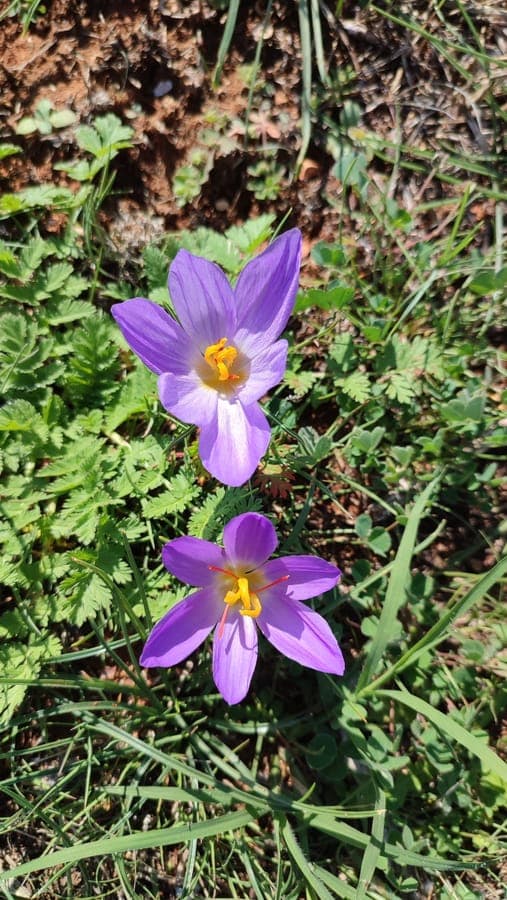
Flora_DUMO / CC BY 4.0, via Wikimedia Commons
Crocus thomasii: complete guide
Crocus thomasii
¿Quieres ver Crocus thomasii: complete guide en tu jardín?
1 minuto, sin tarjeta de crédito
Overview
Crocus thomasii, also known as Thomas's crocus or Zafferano di Thomas, is an elegant bulb native to southern Italy and Croatia. This species blooms later in the season (October to November) than common winter crocus, making it valuable for those wanting autumn color. The flowers are pale white to light pink with distinctive striping.
At 8-12 centimeters tall, Thomas's crocus is ideal for borders, alpine troughs, and rock gardens. The plant is fully hardy and demands minimal care after establishment. This is a favorite among Mediterranean plant enthusiasts.
Appearance & Bloom
Crocus thomasii distinguishes itself through graceful form. The flowers are relatively large for a crocus and finely finished. Color ranges from white to soft pink with clear dark striping on the outer petals, giving each bloom a distinctive character.
The petals are long and narrow, creating a star-like shape. Blooming occurs from October through early November, a unique period in the garden season. The flowering often coincides with autumn-blooming sedges and other low-growing plants.
Ideal Location
Crocus thomasii thrives in sunny, warm positions. Originating from warm Mediterranean zones, sun is essential - at least 4-5 hours of direct light daily. Shade results in sparse flowering and poor growth.
Ensure good air circulation and avoid pockets of moisture that could encourage fungal issues. An elevated position or raised bed works better than low, wet spots.
Soil
Crocus thomasii clearly prefers fast-draining, dry to moderately dry soil. If you have heavy clay, add at least 30% coarse sand or perlite. This plant is sensitive to waterlogging and rots easily in stagnant conditions.
Soil pH can range from slightly acidic to alkaline (6.5-8). In lean soil this plant actually performs better - avoid adding excessive compost.
Diseño gratis
¿Quieres ver Crocus thomasii: complete guide en tu jardín? Crea un diseño gratis ahora.
Watering
Crocus thomasii has low water needs. After planting in August-September, water well until foliage is established. Thereafter, minimal watering - this plant tolerates drought much better than wet feet. After blooming, reduce water significantly.
During rainy periods, supplemental water isn't needed. Allow soil to dry somewhat between waterings.
Pruning
Crocus thomasii requires no pruning. Flowers drop naturally after blooming. Foliage remains through winter, feeding the bulb with energy. You can remove dead leaves only in March.
Remove spent flower cups if you prefer to prevent self-seeding, conserving bulb energy.
Maintenance Calendar
August-September: Plant bulbs 4-5 cm deep, 5 cm apart.
October-November: Enjoy blooms. Minimal water during dry spells.
December-March: Foliage present. No extra maintenance.
April-May: Foliage dies back. Stop watering entirely.
June-July: Bulbs rest dormant. Can remain dry.
Winter Hardiness
Crocus thomasii is extremely hardy to -15 degrees Celsius, even -20 degrees poses no problem. Bulbs require no winter protection in Europe and can remain in the same soil for decades.
Critical: prevent waterlogging in winter - this is more damaging than frost. Ensure excellent drainage.
Companion Plants
Combine Thomas's crocus with other autumn bloomers:
- Sternbergia (Sternbergia lutea): Yellow, blooming simultaneously
- Colchicum: Larger, same autumn bloom period
- Low sedums: Textural interest and color
- Autumn-blooming sedum: Red to brown tones
Avoid vigorous growers that would overwhelm these delicate bulbs.
Closing Thoughts
Crocus thomasii is for those wanting something special. This Mediterranean beauty transforms October and November with delicate blooms. Order bulbs in July-August and plant in September. Discover more autumn bloomers and complete garden designs at gardenworld.app.
¿Quieres ver Crocus thomasii: complete guide en tu jardín? Crea un diseño gratis ahora.
Sube una foto, elige un estilo y obtén un diseño fotorrealista con lista de plantas en menos de un minuto.
Más de 10.000 jardines diseñados
Sin tarjeta de crédito


Plantas similares
Iris tingitana: complete guide
Iris tingitana
Iris tingitana, the Morocco iris, is the bulb species behind the Dutch iris: early blue-violet blooms that need a sunny, well-drained position.
Iris hookeri: complete guide
Iris hookeri
Hooker's Iris is a compact North American native plant with blue flowers. Low-growing and moisture-loving water plant.
Siskiyou iris: complete guide
Iris bracteata
Complete guide to Iris bracteata, the Siskiyou iris: location, soil, bloom cycle, watering, pruning and companion plants for this rare Pacific Coast iris.