
Pierre Bona / CC BY-SA 3.0, via Wikimedia Commons
Crocus corsicus: complete guide
Crocus corsicus
¿Quieres ver Crocus corsicus: complete guide en tu jardín?
1 minuto, sin tarjeta de crédito
Overview
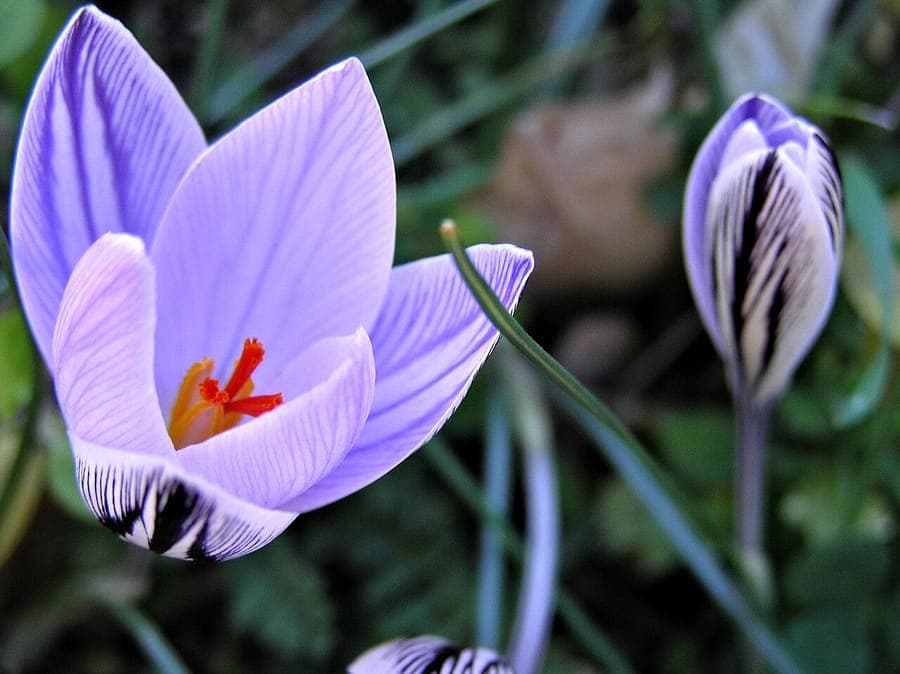
Corsican Crocus (Crocus corsicus) is a rare and precious bulb native to Corsica and Sardinia. This delicate gem produces elegant blue to blue-purple flowers, far less common than typical yellow crocuses. Perfect for advanced gardeners seeking botanical treasures.
Appearance and Bloom
Crocus corsicus is compact, reaching merely 10-12 cm, forming tight clusters. Flowers are bright blue to blue-purple, an unusual color among crocuses. Petals sometimes display subtle white markings. Bloom period extends March through April, later than many other species. Individual flowers persist for weeks.
Ideal Location
This alpine species thrives in sunny locations (minimum 5-6 hours direct daily sun) in perfectly drained substrates. Some afternoon shade is tolerable, though full sun is preferred. The plant appreciates air movement and abhors warm, humid conditions.
Soil
Crocus corsicus demands excellent drainage - this is absolutely critical. Naturally occurring on Corsican rocky hillsides with sparse, mineral-rich earth. Combine sand, gravel, and peat for perfect porous mix. Absolutely avoid moisture problems.
Watering
Minimal watering is essential. During growth maintain moderate moisture, never soggy. After blooming, allow complete drying. In containers and shaded locations, exercise extra caution. Winter: keep very dry.
Diseño gratis
¿Quieres ver Crocus corsicus: complete guide en tu jardín? Crea un diseño gratis ahora.
Pruning
No pruning needed. Allow foliage to persist until yellow-brown and senescent (May), returning energy to the small corm. Dead flowers may be removed, though not required.
Maintenance Calendar
August-September: Carefully plant in alpine mix. October-February: Winter dormancy with minimal moisture. March-April: Bloom period; water lightly. May-July: Drying and foliage senescence; no water.
Winter Hardiness
Fully hardy to -25 degrees Celsius. This species actually requires cold for proper flowering. Performs well in cold mountain climates. No special protection needed, though protection from excessive moisture is critical.
Companion Plants
Crocus corsicus thrives best in alpine and scree gardens where drainage is optimal. Combine with other alpine specialists: Androsace, Saxifrage, Sempervivum, and Gentiana acaulis. Perfect in raised alpine troughs in sheltered locations.
Closing Remarks
Corsican Crocus is for true enthusiasts - delicate, rare, and highly rewarding when properly treated. Corms are difficult to locate; source from specialized nurseries. A true treasure for the alpine gardener! Discover more alpine rarities at gardenworld.app/en.
¿Quieres ver Crocus corsicus: complete guide en tu jardín? Crea un diseño gratis ahora.
Sube una foto, elige un estilo y obtén un diseño fotorrealista con lista de plantas en menos de un minuto.
Más de 10.000 jardines diseñados
Sin tarjeta de crédito


Plantas similares
Iris tingitana: complete guide
Iris tingitana
Iris tingitana, the Morocco iris, is the bulb species behind the Dutch iris: early blue-violet blooms that need a sunny, well-drained position.
Iris hookeri: complete guide
Iris hookeri
Hooker's Iris is a compact North American native plant with blue flowers. Low-growing and moisture-loving water plant.
Siskiyou iris: complete guide
Iris bracteata
Complete guide to Iris bracteata, the Siskiyou iris: location, soil, bloom cycle, watering, pruning and companion plants for this rare Pacific Coast iris.