
Wouter Hagens / Public domain, via Wikimedia Commons
Cotoneaster coriaceus: complete guide
Cotoneaster coriaceus
¿Quieres ver Cotoneaster coriaceus: complete guide en tu jardín?
1 minuto, sin tarjeta de crédito
Overview
Cotoneaster coriaceus, commonly known as Late Cotoneaster or Leathery Cotoneaster, is a valuable hardy deciduous or semi-evergreen shrub from the Rosaceae family. Native to the mountains of Tibet and south-central China, this distinctive plant offers exceptional visual interest throughout the seasons.
Appearance & Bloom
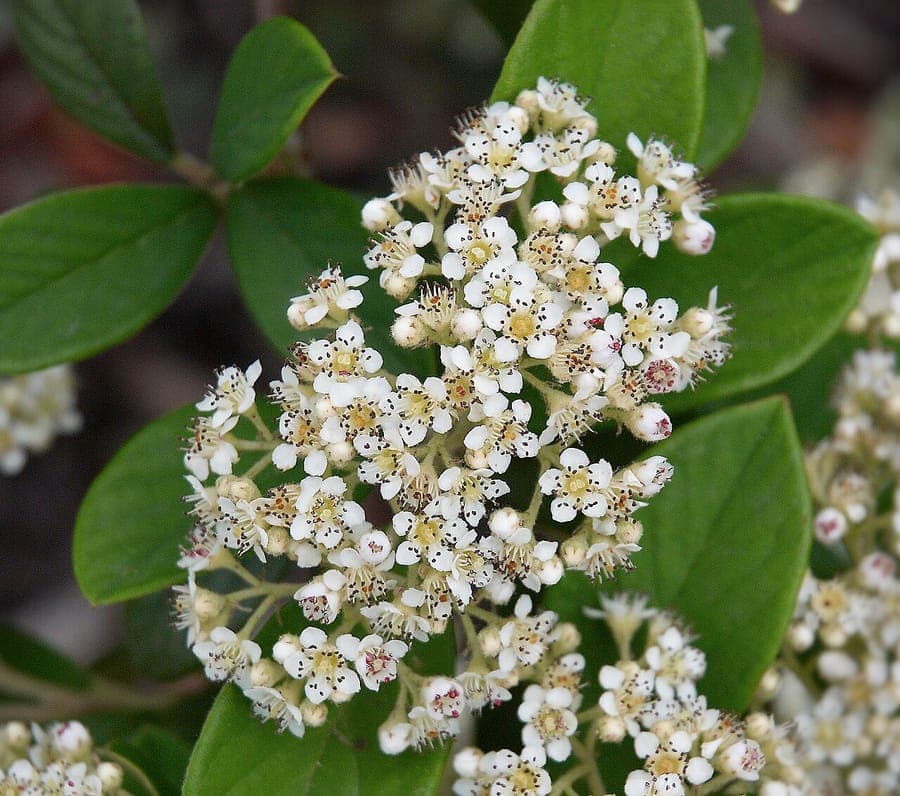
Late Cotoneaster grows as an upright to spreading shrub with a dense, compact form. The small, leathery leaves display a glossy dark green color and persist later into autumn than many shrub counterparts. In spring, delicate pink-white flowers appear in dense clusters adorning the branches. These are succeeded by brilliant red berries that persist well into winter, providing essential food for birds and adding vibrant color to the landscape.
Ideal Location
Late Cotoneaster thrives in full sun to partial shade, with at least 5-6 hours of direct sunlight daily for optimal flowering and fruiting. Choose a location with good air circulation to minimize fungal disease pressure. This adaptable shrub succeeds in most temperate climates.
Soil
Late Cotoneaster is remarkably soil-tolerant, adapting to most soil types from sandy to clay. A well-draining soil with moderate fertility is optimal. The ideal pH range is 6.0 to 7.0. Once established, the plant displays good drought tolerance.
Diseño gratis
¿Quieres ver Cotoneaster coriaceus: complete guide en tu jardín? Crea un diseño gratis ahora.
Watering
Water regularly during the establishment phase. Once mature, water when the top inch of soil becomes dry during dry spells. Drought-tolerant once established, though adequate moisture improves berry production.
Pruning
Late Cotoneaster responds well to pruning. Remove spent flowers to encourage fuller growth. Thin out old wood annually to rejuvenate the plant. Prune after flowering to maintain shape and promote next year's flowering.
Maintenance Calendar
Spring: Monitor growth, apply balanced fertilizer. Summer: Water during dry periods. Autumn: Enjoy the berries and fall color, collect seeds. Winter: Minimal maintenance, prune if necessary.
Winter Hardiness
Cotoneaster coriaceus is extremely hardy, thriving in USDA zones 5b through 9, tolerating temperatures to -25 to -30 degrees Celsius. It requires no special winter protection in temperate regions.
Companion Plants
Pair with evergreen conifers for year-round structure. Combine with seasonal herbaceous plants for textural contrast. Use in groups for greater impact in hedgerow plantings.
Closing Thoughts
Late Cotoneaster is a versatile, reliable shrub that brings consistent seasonal beauty to any landscape. Its hardy nature, attractive flowers, and persistent berries make it an excellent choice for diverse garden styles. For design inspiration, visit gardenworld.app/en to transform your outdoor space.
¿Quieres ver Cotoneaster coriaceus: complete guide en tu jardín? Crea un diseño gratis ahora.
Sube una foto, elige un estilo y obtén un diseño fotorrealista con lista de plantas en menos de un minuto.
Más de 10.000 jardines diseñados
Sin tarjeta de crédito


Plantas similares
Siberian crab apple: complete guide
Malus x robusta
Complete guide to the Siberian crab apple (Malus x robusta): location, soil, pruning, winter hardiness and the best companion plants for your garden.
Chinese flowering crabapple (Malus x spectabilis): complete guide
Malus x spectabilis
Meet the Chinese flowering crabapple (Malus x spectabilis): a classic spring bloomer with carmine buds and pink blossom.
Potentilla crassinervia: complete guide
Potentilla crassinervia
Potentilla crassinervia, the Corsican cinquefoil, grows wild on Corsica and Sardinia's peaks. Discover how to grow this hardy alpine rock garden gem.