
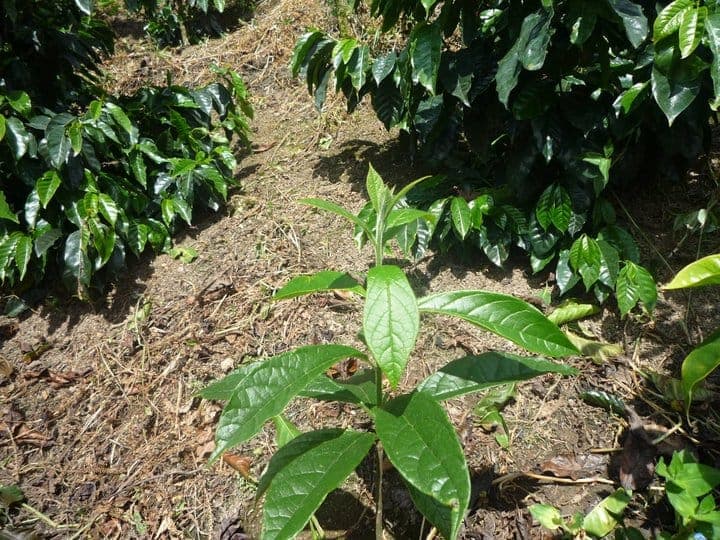
treesftf / CC BY 2.0, via Wikimedia Commons
Salmwood: complete guide
Cordia alliodora
¿Quieres ver Salmwood: complete guide en tu jardín?
1 minuto, sin tarjeta de crédito
Cordia alliodora, known as salmwood, Spanish elm, or bois de Chypre, is a majestic tropical tree in the Boraginaceae family. Native to Mexico through tropical America, this species is renowned for its excellent timber and ornamental value.
Overview
Cordia alliodora is a graceful tree reaching up to 20 meters in tropical conditions. With its broad crown and dense foliage, it forms a perfect shade tree. This species is widely used in traditional construction and fruit production because of its hard, durable wood.
Appearance & Bloom
The tree features large, heart-shaped leaves with distinctive veining, creating unique texture. During the growing season, small yellowish-white flowers appear in terminal clusters. These flowers possess a subtle fragrance attracting various pollinators. The flowers give way to small stone fruits attracting numerous bird species.
Ideal Location
Plant salmwood in a fully sunny location with protection from strong wind. In tropical climates, the tree thrives in full sun. The tree tolerates partial shade in very hot conditions. In temperate climates, protected cultivation during winter months is essential.
Soil
The tree grows well in nutrient-rich, well-drained soils. Maintain pH between 6.0 to 7.5. In container cultivation use universal potting soil with added sand for better drainage. The plant is not critical about soil composition but appreciates fertile soil rich in organic matter.
Diseño gratis
¿Quieres ver Salmwood: complete guide en tu jardín? Crea un diseño gratis ahora.
Watering
Water regularly during growing periods, especially in hot and dry seasons. Do not allow soil to dry out completely. In container cultivation, water when the top 2 centimeters feel dry. Water less during winter. This tree has moderate water requirements.
Pruning
Prune in late winter or early spring. Remove dead, diseased, or crossing branches. Shape the tree toward desired form by gently shortening young shoots. This tree tolerates pruning well, responding with abundant new growth.
Maintenance Calendar
May through October: active growth period. Water regularly and monitor for pests. February through March: pruning season, inspect young wood. April: apply fertilizer for growth burst. November through January: slow growth with reduced watering.
Winter Hardiness
Frost sensitive; this tree grows in USDA zone 10a and higher. In temperate climates, protected cultivation is essential. Temperatures below 5 degrees Celsius cause defoliation. In tropical areas, no special precautions needed.
Companion Plants
Combine salmwood with other tropical shade trees like Ficus and Salix. Underplant with shade-tolerant species. This tree creates a microclimate where tender plants flourish.
Closing Thoughts
Salmwood is a valuable tropical tree for warm climates. With proper care and suitable climate, it becomes an impressive specimen in your garden. Start with young plant material from tropical suppliers.
Your local garden centres regularly stock tropical tree materials. Check their websites for availability. Gardenworld.app helps you with tree planting design.
¿Quieres ver Salmwood: complete guide en tu jardín? Crea un diseño gratis ahora.
Sube una foto, elige un estilo y obtén un diseño fotorrealista con lista de plantas en menos de un minuto.
Más de 10.000 jardines diseñados
Sin tarjeta de crédito


Plantas similares
Western waterleaf: complete guide
Hydrophyllum occidentale
Full growing guide for western waterleaf (Hydrophyllum occidentale): shade tolerance, soil needs, watering, winter hardiness and naturalistic garden use.
Limestone phacelia (Phacelia affinis): complete guide
Phacelia affinis
Full guide to Phacelia affinis, the limestone phacelia: sowing tips, purple-blue bee flowers, drought tolerance and uses in dry or wildlife gardens.
Pyrenean viper's bugloss: complete guide
Echium asperrimum
Echium asperrimum is a striking biennial from the western Mediterranean with rough bristly stems and vivid blue flowers. A magnet for bees and a bold border plant.