
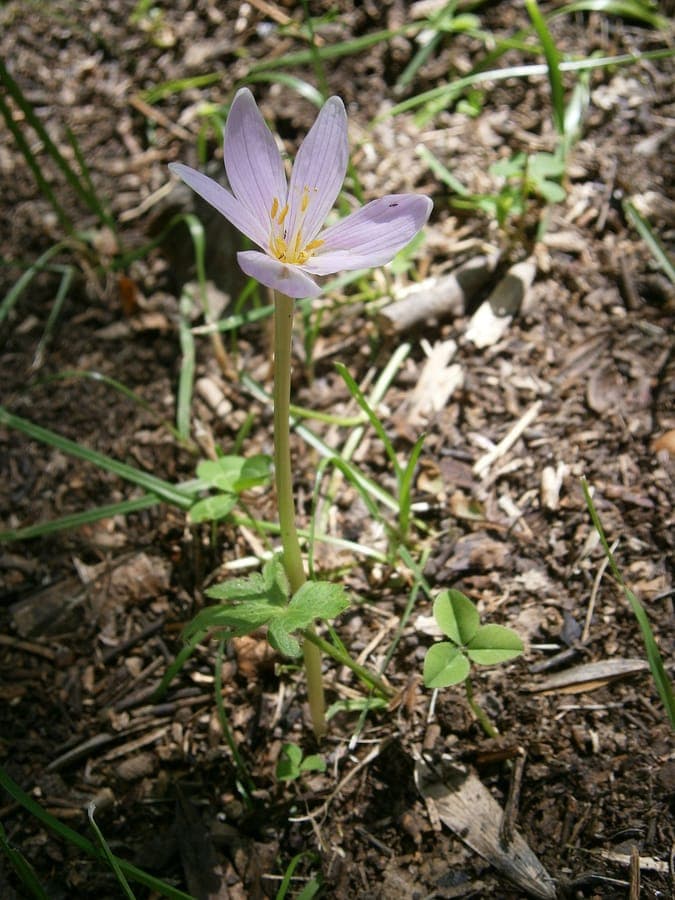
Meneerke bloem / CC BY-SA 3.0, via Wikimedia Commons
Alpine autumn crocus: complete guide
Colchicum alpinum
¿Quieres ver Alpine autumn crocus: complete guide en tu jardín?
1 minuto, sin tarjeta de crédito
Overview
The Alpine autumn crocus (Colchicum alpinum) is a captivating small autumn-blooming alpine from the mountain meadows of the Alps. This rare plant belongs to the Colchicum genus and is celebrated for its delicate purple flowers that appear in August and September. It is an underrated gem for collectors who appreciate alpine species.
Alpine crocus grows at elevations between 1,500-3,000 meters in the French and Italian Alps. In garden conditions, this species requires special attention to drainage and seasonal cycles. The plant is compact, usually only 10-15 cm tall, making it ideal for rock gardens and alpine troughs.
Appearance & bloom cycle
Alpine crocus distinguishes itself through small, elegant flowers. Each bloom consists of six reflexed petals in clear to muted purple, often with violet striping. Flowers emerge directly from the ground in late summer, typically without accompanying leaves.
Leaves appear later in spring (March-April) and are narrow, lance-shaped, and pale green. After blooming and leaf growth, the plant dies back to underground corms. This cycle makes Alpine crocus unique among flowering alpines.
Ideal location
Alpine crocus requires full sun to partial shade. Position it against a south-facing wall or in an open, elevated rock garden. The plant is completely frost-hardy and thrives in cooler climates.
For greenhouse cultivation, place it in a cold frame with good ventilation, without direct heat sources. Alpine troughs and raised beds are ideal. The species requires strict drainage - waterlogging causes corm rot.
Soil requirements
Alpine crocus grows in alpine grassland on well-draining, mineral soils. Culture requires sandy or stony potting mix with minimal organic material. Mix standard potting soil with 60% coarse sand, grit, and perlite.
Slightly acidic to neutral pH works best (pH 5.5-7.0). Add limestone chips for better drainage. Include drainage layer (3-5cm) under potting mix. The plant tolerates poor soils and requires no additional feeding.
Diseño gratis
¿Quieres ver Alpine autumn crocus: complete guide en tu jardín? Crea un diseño gratis ahora.
Watering
Alpine crocus hates excess moisture. Water sparingly, only when soil is completely dry. During growth (May-June) water carefully, but never allow standing water. After blooming and leaf growth (June-July), water minimally.
In fall and winter reduce watering to near-zero. Self-acting drainage is essential - potting soil must never stay damp. For greenhouse cultivation, rarely mist; ventilation matters more than humidity.
Pruning
Alpine crocus requires no pruning. Allow foliage to naturally die back and retract. Remove only damaged flowers. Leave withered leaves until they spontaneously release.
When growing in containers, remove only dead foliage after May. Don't trim or shape; the species grows naturally compact and elegant.
Maintenance calendar
Spring (March-April): Water carefully as first growth appears. Late spring: Gradually reduce watering. Summer: Keep dry. August-September: Add frost-protection nutrition just before bloom. Fall-winter: Keep very dry, provide frost protection in cold regions.
Check annually for mildew in damp seasons. Regularly inspect leaves for fungal spots; remove affected leaves immediately.
Winter hardiness
Alpine crocus is extremely hardy to -30°C. In northern Europe it grows outside in sheltered rock gardens without additional protection. For container cultivation, place in cold frame or outdoors in hilly terrain.
Heavy snow or wet winters are the greatest threats - ensure excellent drainage. In very wet climates it overwinters best in frames. Corms can freeze during prolonged flooding.
Companion plants
Alpine crocus combines beautifully with other alpine species in rock gardens: Saxifraga, Sempervivum, Geranium subcaulescens. Also works in alpine troughs alongside Campanula carpatica and Armeria maritima.
Avoid vigorous growers; the small alpine crocus quickly disappears. Plant communities must share the same drainage and moisture needs.
Closing
Alpine crocus is a precious addition for specialized gardeners who love alpine plants. With proper drainage and light positioning, you can enjoy this Alpine jewel for many years. Nurseries rarely stock live corms, so search at plant fairs or specialized suppliers.
The plant requires patience and precision, but delivers beauty and satisfaction for years.
¿Quieres ver Alpine autumn crocus: complete guide en tu jardín? Crea un diseño gratis ahora.
Sube una foto, elige un estilo y obtén un diseño fotorrealista con lista de plantas en menos de un minuto.
Más de 10.000 jardines diseñados
Sin tarjeta de crédito


Plantas similares
Mountain autumn crocus: complete guide
Colchicum montanum
Grow Colchicum montanum successfully: planting depth, drainage, companion plants, and autumn blooming tips for this mountain bulb.
Corsican autumn crocus: complete guide
Colchicum corsicum
Everything about Colchicum corsicum: bloom time, ideal site, bulb care, toxicity and winter hardiness for gardeners.
Autumn Crocus Colchicum cupanii: complete guide
Colchicum cupanii
Complete growing guide for Colchicum cupanii: site requirements, soil preparation, watering, hardiness and companion planting ideas.