
Bernd Gliwa / CC BY-SA 2.5, via Wikimedia Commons
Basil thyme: complete guide
Clinopodium acinos
¿Quieres ver Basil thyme: complete guide en tu jardín?
1 minuto, sin tarjeta de crédito
Overview
Basil thyme, scientifically Clinopodium acinos (formerly Acinos arvensis), is a delicate low-growing herb from the Lamiaceae (mint) family. Native across Europe to Central Asia and Iran, this aromatic plant is recognized for its delicate purple flowers and fragrant foliage. It is traditionally used in herbal medicine and prized for culinary and ornamental purposes.
Appearance and Bloom Cycle
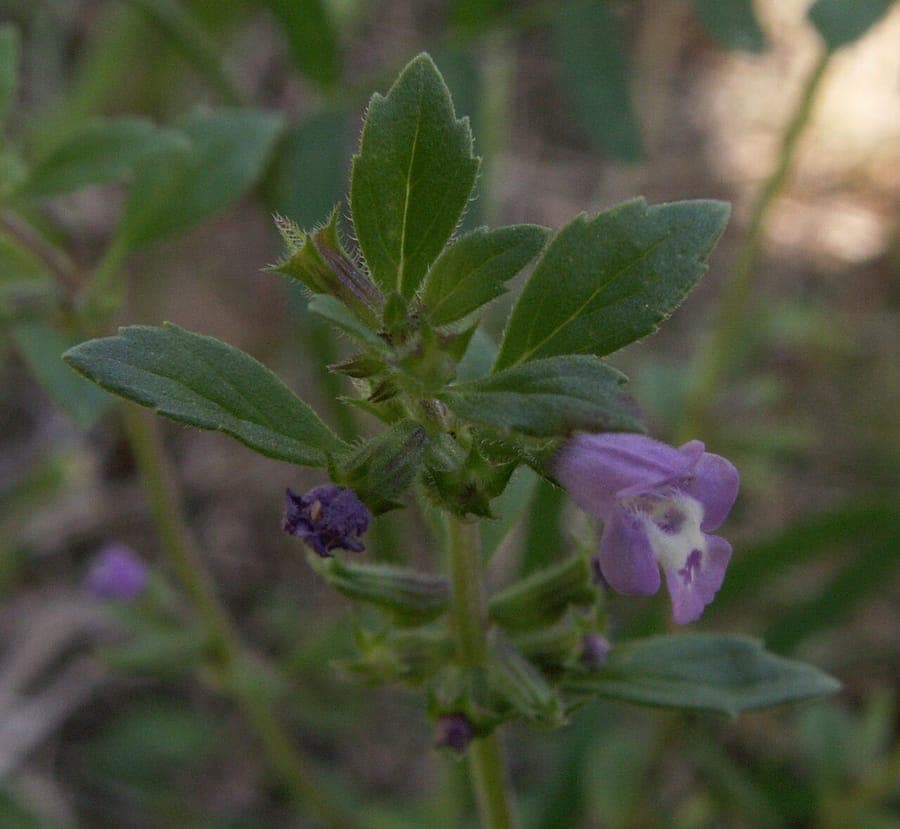
Basil thyme grows as a low, compact plant typically 20-40 cm tall. Slender, hairy stems bear small, ovate to lanceolate leaves that are dark green with fine serrations. The plant emits a characteristic minty aroma combining basil and thyme notes - hence its common name.
Flowers are diminutive, approximately 0.5 cm long, dark purple to magenta, arranged in dense whorls (rings) around stems from June through August. Each spike produces dozens of flowers creating prolific colorful display. After flowering, characteristic four-seeded nutlets develop.
Ideal Location
Basil thyme thrives in sunny to lightly partially-shaded positions. The plant tolerates dry to moderate moisture conditions and suits rock gardens, dry banks, and naturalized plantings. It prefers well-drained soils.
Soil Requirements
Basil thyme is remarkably flexible with soil types. It grows excellently on poor, dry soils with low nutrient content - precisely where many plants struggle. pH can range from 4.5 to 7. The plant is undemanding and accepts clay, sandy, or gravelly substrates.
Watering
Once established, basil thyme is extremely drought-tolerant. During the first growing season, provide regular watering until plants establish. Mature plants thrive with minimal supplemental irrigation. The plant actually performs better under dry to moderately moist conditions.
Diseño gratis
¿Quieres ver Basil thyme: complete guide en tu jardín? Crea un diseño gratis ahora.
Pruning and Maintenance
Minimal pruning is necessary. After flowering, lightly trim spent flowering stems for neater appearance. In early spring, remove any frost-damaged or dead wood. Light shaping is optional in formal settings.
Maintenance Calendar
Spring: Assess frost damage, prune dead growth. April-May: New stem emergence. June-August: Flowering period. Summer: Optional deadheading extends bloom. Fall: Seed formation; no special care needed.
Winter Hardiness
Basil thyme is fully hardy in USDA zones 4 to 8, tolerating temperatures down to -30°C without protection. In extreme cold regions, mulching may provide additional winter protection.
Companion Plants
Basil thyme pairs beautifully with other drought-tolerant alpine plants including Thyme, Lavender, Santolina, and Stipa grasses. In perennial borders, it combines well with Veronica, Catananche, and wildflower seed mixes. Create cohesive pollinator-friendly gardens with Salvia and small-scale native plants.
Closing Thoughts
Basil thyme deserves greater recognition in naturalized gardens and dry landscapes. With minimal care requirements, attractive purple flowers, and ecological value for insects, it represents an excellent choice for low-maintenance gardens. Whether traditionally cultivated for herbal tea or simply for ornamental beauty, basil thyme is an engaging, rewarding small plant.
For more information on native plants and natural garden design, visit gardenworld.app for expert advice. Explore more pollinator-friendly species at gardenworld.app and start creating your insect-friendly garden.
¿Quieres ver Basil thyme: complete guide en tu jardín? Crea un diseño gratis ahora.
Sube una foto, elige un estilo y obtén un diseño fotorrealista con lista de plantas en menos de un minuto.
Más de 10.000 jardines diseñados
Sin tarjeta de crédito


Plantas similares
Apple mint (Mentha x villosa): complete guide
Mentha x villosa
Meet apple mint (Mentha x villosa): a fruity-scented kitchen herb with woolly leaves, perfect for tea and mojitos.
Salvia peyronii: complete guide
Salvia peyronii
Discover Salvia peyronii, a rare Lebanese mountain sage. Growing tips, hardiness, and companion planting for a Mediterranean gravel garden.
Bigleaf mint (Mentha x rotundifolia): complete guide
Mentha x rotundifolia
Discover bigleaf mint: cultivation, care tips, and garden uses. Learn how to grow this aromatic herb with soft, hairy leaves.