
Fred Hsu (Wikipedia:User:Fred Hsu on en.wikipedia) / CC BY-SA 3.0, via Wikimedia Commons
Watermelon: complete guide
Citrullus lanatus
¿Quieres ver Watermelon: complete guide en tu jardín?
1 minuto, sin tarjeta de crédito
Overview
Watermelon, scientifically Citrullus lanatus, is a trailing annual crop from the Cucurbitaceae (gourd) family. Originating from East Sahara regions of Africa, watermelon is now cultivated worldwide for its large, juicy fruits. This warm-season plant produces edible fruits with high water content, making it an ideal summer food in hot, dry climates where it thrives.
Appearance and Growth
Watermelon plants develop sprawling vines extending 3-4 meters long, though compact cultivars may reach 1-2 meters. Large, triangular-to-heart-shaped leaves with wavy margins emerge alternately along stems. Small yellow to whitish flowers appear along vine nodes and require insect pollination for fruit set.
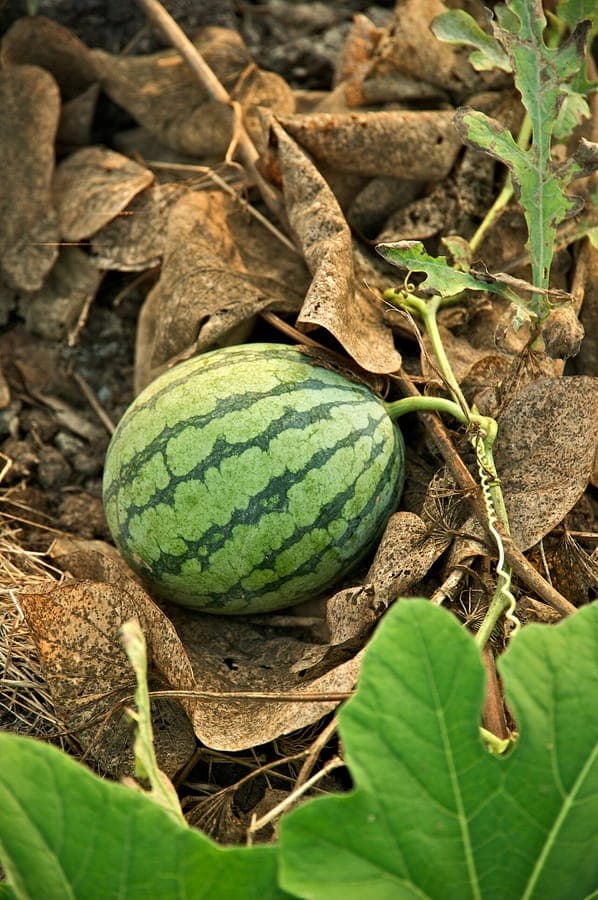
Fruits are large, typically round to oval, dark green with lighter striped patterns. Internal flesh ranges from bright red to golden yellow depending on cultivar, with high juiciness and sweetness. Fruits typically weigh 5-10 kg and reach harvest maturity 70-100 days after sowing, depending on temperature and cultivar selection.
Ideal Location
Watermelons demand full sun exposure - minimum eight hours direct sunlight daily. Plants thrive in hot conditions with temperatures between 25-35°C. In short-season regions, use black plastic mulch and early seeding to maximize heat accumulation.
Soil Requirements
Watermelons prefer well-draining soils with neutral pH between 6.0 and 7.5. Incorporate generous compost or well-rotted manure before planting to build soil fertility. Avoid waterlogged or poorly-draining soils where root diseases develop readily.
Watering
Watermelons require consistent moisture throughout growth - approximately 2.5-5 cm weekly via rainfall or irrigation. Apply water at soil level, avoiding foliage contact to prevent fungal diseases. As fruits develop, gradually reduce watering to concentrate sugars and improve sweetness.
Diseño gratis
¿Quieres ver Watermelon: complete guide en tu jardín? Crea un diseño gratis ahora.
Pruning and Maintenance
Minimal pruning is necessary; allow natural vine development. Some gardeners remove select lateral shoots to concentrate nutrients into primary runners producing larger fruits. Weed management is critical, especially during early growth stages.
Maintenance Calendar
Preparation (April-May): Soil amendment, seed sowing or transplanting seedlings. June-July: Flowering, pollination, fruit set. August-September: Fruit development, maturation, harvest. Apply fertilizer every 2-3 weeks and maintain consistent watering throughout.
Winter Hardiness
Watermelons are extremely heat-loving and cannot tolerate frost. This annual crop suits only warm-season growing. In cool regions, sow seeds after all frost danger passes in late spring.
Companion Plants
Watermelons grow well alongside cucumber, squash, and other Cucurbitaceae. Aromatic herbs like basil attract pollinators. Avoid proximity to Brassicas (cabbage, broccoli) competing for nutrients.
Closing Thoughts
Watermelon represents the quintessential summer garden crop, delivering refreshing, naturally-sweet fruits from simple vines. With adequate sunlight, warmth, consistent watering, and proper nutrition, gardeners achieve impressive harvests. Whether growing traditional red-fleshed types or newer yellow and orange varieties, watermelon cultivation connects gardeners to warm-season abundance.
For more vegetable gardening advice and design plans, visit gardenworld.app for expert guidance and professional landscape design. Explore more crops and growing strategies at gardenworld.app to develop your productive food garden.
¿Quieres ver Watermelon: complete guide en tu jardín? Crea un diseño gratis ahora.
Sube una foto, elige un estilo y obtén un diseño fotorrealista con lista de plantas en menos de un minuto.
Más de 10.000 jardines diseñados
Sin tarjeta de crédito


Plantas similares
Kiwano: complete guide
Cucumis metuliferus
Everything about growing kiwano: location, soil, watering, and harvesting this striking African horned cucumber with spiny orange fruits.
Sponge gourd: complete guide
Luffa aegyptiaca
Full guide to growing sponge gourd (Luffa aegyptiaca): sowing, care, harvesting edible fruits and drying natural loofah sponges in your garden.
Cucumis prophetarum: complete guide
Cucumis prophetarum
Wild cucumber is a fascinating climbing plant with remarkable spiky fruits. Learn how to grow this exotic annual from seed to harvest for decorative interest.