
User:Qwertzy2 / CC BY-SA 3.0, via Wikimedia Commons
Cistus creticus: complete guide
Cistus creticus
¿Quieres ver Cistus creticus: complete guide en tu jardín?
1 minuto, sin tarjeta de crédito
Overview
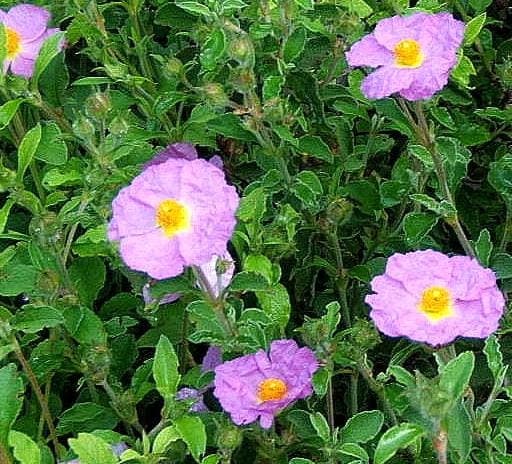
Cistus creticus, also known as 'Cretan Rockrose' or 'Grey Cistus,' is a stunning Mediterranean shrub native to the Mediterranean region. This tough plant belongs to the Cistaceae family and is renowned for its spectacular pink flowers with characteristic dark blotches in the center. With its grey-green foliage and prolific blooms, it's a real showstopper in dry gardens and thrives excellently in warm regions.
Appearance and Bloom
Cistus creticus grows as a dense, rounded shrub, usually 60-100 cm tall. The leaves are grey-hairy, giving the plant a silvery sheen. The flowers are stunning pink to magenta, often with a dark blotch in the center, appearing from May to July. They are highly ephemeral - each flower lasts just one day - but they are so abundant that the plant blooms for weeks at a time.
Ideal Location
Full sun is essential for Cistus creticus. This plant thrives only in locations with 8-10 hours of direct sunlight daily. Lack of sun results in thin growth and few flowers. Choose a warm, sheltered spot without shade from trees or buildings.
Soil
Dry, poor soils are ideal for Cistus creticus. The plant grows perfectly in sandy, lean soils. Well-draining soil is essential - heavy, wet soil causes root rot. If you have heavy clay, add gravel and sand. A slightly acidic to neutral pH is preferable.
Diseño gratis
¿Quieres ver Cistus creticus: complete guide en tu jardín? Crea un diseño gratis ahora.
Watering
Once established, this plant is highly drought-forgiving. Water only during the first year and thereafter only in extreme drought situations. Excessive water is very damaging and can lead to fungal problems. In Mediterranean climates, rainwater is usually sufficient.
Pruning
Minimal pruning is needed. Remove dead branches in spring. If you want to rejuvenate or keep the shrub more compact, cut it back after flowering. Avoid heavy pruning - rockroses don't respond well to drastic cuts.
Maintenance Calendar
Spring: Remove dead wood and give a light prune. Summer: Collect seeds from spent flowers. Autumn: No maintenance needed. Winter: In cold regions, provide some wind protection.
Winter Hardiness
Cistus creticus is reasonably hardy and can tolerate down to -5 to -8°C. In more northern locations, some winter protection may be needed. In very severe winters, the plant may die, so consider it a half-hardy shrub in northern regions.
Companion Plants
Combine with other Mediterranean plants such as santolina, lavender, Cistus x hybridus, and fine ornamental grasses. The pink flowers harmonize beautifully with silvery-grey foliage and yellow-flowering herbs.
Final Thoughts
Cistus creticus is a must-have for Mediterranean gardens in warm locations. With its spectacular, short-lived flowers and low water requirements, it's ideal for ecological gardening. Available at most garden centers. For more inspiration, visit gardenworld.app.
¿Quieres ver Cistus creticus: complete guide en tu jardín? Crea un diseño gratis ahora.
Sube una foto, elige un estilo y obtén un diseño fotorrealista con lista de plantas en menos de un minuto.
Más de 10.000 jardines diseñados
Sin tarjeta de crédito


Plantas similares
Curled-leaf rock rose: complete guide
Cistus crispus
Everything you need to grow Cistus crispus, the curled-leaf rock rose from the western Mediterranean. Siting, soil, pruning, and winter care fully explained.
Marjoram-leaved sun rose: complete guide
Helianthemum marifolium
Everything about Helianthemum marifolium, the marjoram-leaved sun rose: location, dry soil, flowering season and care for this Mediterranean rock plant in your garden.
Beach-heath: complete guide
Hudsonia tomentosa
Complete guide to Hudsonia tomentosa: growing this woolly sand-heath on poor sandy soils, its care needs, companions and garden uses.