
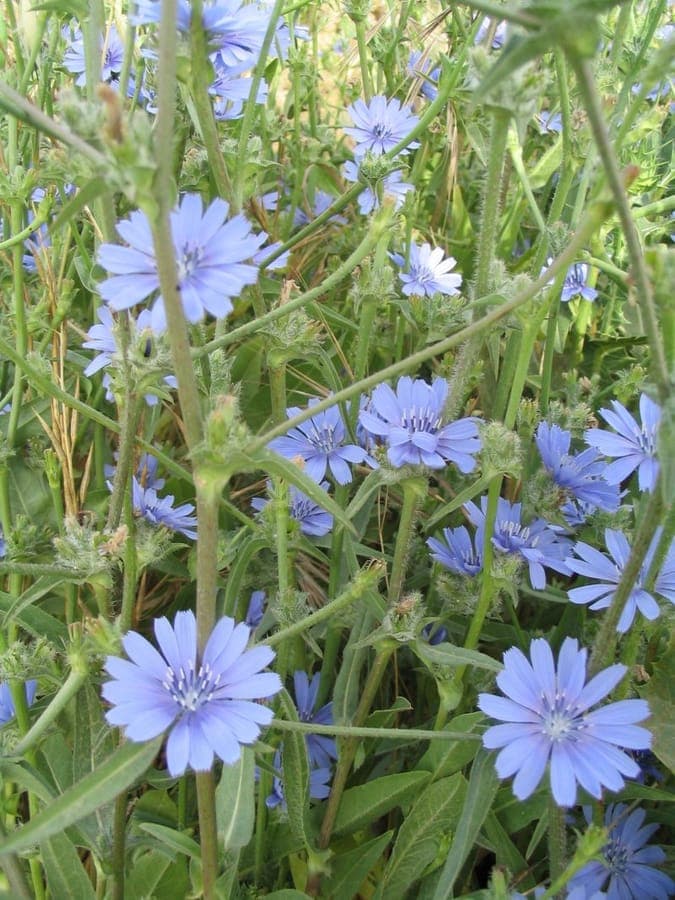
Iorsh / Public domain, via Wikimedia Commons
Cichorium pumilum: complete guide
Cichorium pumilum
¿Quieres ver Cichorium pumilum: complete guide en tu jardín?
1 minuto, sin tarjeta de crédito
Overview
Cichorium pumilum, commonly known as 'Dwarf Chicory,' is an elegant and compact plant belonging to the Asteraceae family. Native to the Mediterranean region and naturally occurring from Afghanistan to Xinjiang, this plant is a truly versatile addition to dry gardens and hot locations. With its fine texture and soft blue flowers, it brings an authentic Mediterranean character to any planting border.
Appearance and Bloom
This dwarf-like plant grows compactly, typically reaching no more than 30-40 cm in height. The foliage is finely divided and grey-green in color, giving the plant a light, airy appearance. The flowers are small but abundant, in soft blue to purple hues, appearing from June to August. They attract pollinators and provide the plant with extended decorative value throughout the season.
Ideal Location
Cichorium pumilum thrives in full sun. This plant feels truly at home in bright, warm locations. Ensure you choose a spot where this plant receives at least 6-8 hours of direct sunlight daily. In shade, growth will be less dense and flowering will be less abundant.
Soil
The plant makes few demands on soil quality. Sandy, dry soils are ideal. Well-draining potting soil is essential - waterlogging must be absolutely avoided. Mix your garden soil with gravel or sand if you have heavy clay. A slightly poor soil is even beneficial; rich soil promotes leafy growth at the expense of flowers.
Watering
Once established, Cichorium pumilum is highly drought-forgiving. Water only during extended dry periods. Young plants in their first growing season should be kept slightly more moist, but once established, you can drastically reduce watering. Excessive water is deadly - this Mediterranean species is evolutionarily adapted to xeric conditions.
Diseño gratis
¿Quieres ver Cichorium pumilum: complete guide en tu jardín? Crea un diseño gratis ahora.
Pruning
Pruning is scarcely necessary for Cichorium pumilum. After flowering, you can remove spent flowers to keep the plant tidier and to encourage possible seed development. If you desire a more compact form, lightly trim the plant in early spring.
Maintenance Calendar
Spring: Remove dead parts from previous year. No fertilizer needed. Summer: Avoid heavy moisture; water only during extreme drought. Autumn: Seed pods can be collected for seeds. Winter: Mulching is not necessary. The plant survives frost without problems.
Winter Hardiness
Cichorium pumilum is fully hardy throughout the UK and Northern Europe. It can tolerate temperatures down to -15°C, making it a reliable choice for permanent planting in temperate climates. The plant may completely retreat to the ground in severe winters but will re-emerge each spring.
Companion Plants
Combine Cichorium pumilum with other Mediterranean drought-lovers such as lavender, sage, santolina, and orlaya. The fine structure contrasts beautifully with more massive forms, and soft-colored flowers harmonize well in a naturalistic planting border.
Final Thoughts
Cichorium pumilum is an understated yet extremely valuable plant for those wanting to create an ecologically responsible, low-maintenance garden landscape. With minimal care, it delivers years of floral abundance and authentic Mediterranean ambiance. Available at most garden centers and nurseries. Visit gardenworld.app for more plant inspiration and design ideas.
¿Quieres ver Cichorium pumilum: complete guide en tu jardín? Crea un diseño gratis ahora.
Sube una foto, elige un estilo y obtén un diseño fotorrealista con lista de plantas en menos de un minuto.
Más de 10.000 jardines diseñados
Sin tarjeta de crédito


Plantas similares
Calendula stellata: complete guide
Calendula stellata
Complete guide to Calendula stellata, the star-flowered marigold from Sicily: location, soil, watering and companion planting tips.
Korean chrysanthemum: complete guide
Chrysanthemum x rubellum
Chrysanthemum x rubellum is a hardy autumn perennial with single pink to copper flowers from August to November. Care and combinations.
Helianthus divaricatus: complete guide
Helianthus divaricatus
Helianthus divaricatus is a North American woodland sunflower with yellow summer blooms, ideal for naturalistic borders and shady edges.