
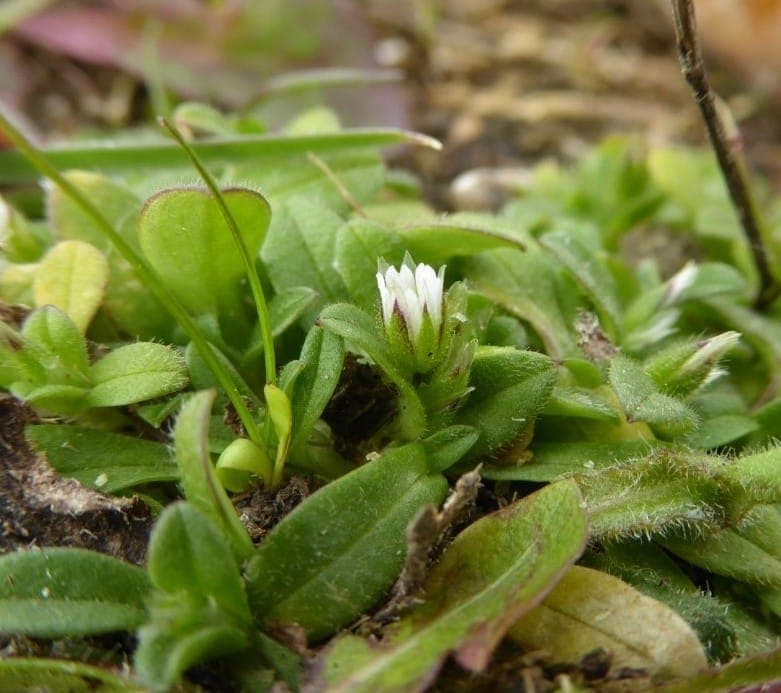
E Wusk / CC BY 4.0, via Wikimedia Commons
Cerastium semidecandrum: complete guide
Cerastium semidecandrum
¿Quieres ver Cerastium semidecandrum: complete guide en tu jardín?
1 minuto, sin tarjeta de crédito
Overview
Cerastium semidecandrum, commonly called five-stamen mouse-ear chickweed, is a charming low-growing plant from the Caryophyllaceae family. This Mediterranean groundcover has spread from Europe to Asia and thrives in well-draining soils with abundant sun. With its fine silvery foliage and delicate pink flowers, this plant creates subtle texture in gardens.
Appearance & Bloom Cycle
Five-stamen mouse-ear chickweed reaches only 10–15 cm in height and forms compact mats of soft, hairy, silvery foliage. In spring (March to May), plants burst with countless tiny pink to white flowers, approximately 8 mm across. The flowers have five stamens, giving the species its name. After blooming, they produce small seed-bearing capsules.
Ideal Location
Choose a spot with full sunlight - at least six hours of direct sun daily. This plant excels on steep slopes, in rock gardens, and along borders. Growth remains compact in full sun but becomes leggy in partial shade. Plant in open gardens where air circulation is excellent.
Soil Requirements
Cerastium semidecandrum loves dry, well-draining soil. Heavy clay leads to root rot. Add sand and grit to bind soils. Optimal pH range is 5.5 to 7.0. Plant on raised beds or in rock gardens for excellent drainage.
Watering
Water moderately during the growing season (spring and autumn). Drought periods are not a problem - this plant evolved in dry Mediterranean climates. Once established, virtually no irrigation is needed. In rainy climates: plant higher and add extra drainage. Avoid waterlogging around the crown.
Diseño gratis
¿Quieres ver Cerastium semidecandrum: complete guide en tu jardín? Crea un diseño gratis ahora.
Pruning
Light pruning keeps the plant compact. Deadhead spent flowers to prevent self-seeding. After blooming, carefully remove one-third of the foliage to maintain shape. If the plant becomes dense and overgrown: replace it to maintain vigorous growth.
Maintenance Calendar
- March–April: Prune, remove dead material, check drainage
- May–June: Monitor regularly for drought, remove spent flowers
- July–August: Minimal intervention - water only during extreme drought
- September–October: Harvest or remove seed-bearing capsules
- November–February: Protect against excessive wet winters in wet regions
Winter Hardiness
Extremely winter-hardy - USDA zones 3–9. This is an evergreen plant that survives winter outdoors in many European climates. In very wet winters in Northwest Europe, protection helps - a well-draining spot and mulch prevent rot. The plant tolerates temperatures down to −15°C without protection.
Companion Plants
Five-stamen mouse-ear chickweed pairs beautifully with other drought-lovers: Sedum species, lavender, and low-growing Silene. Also works well with low-growing Helianthemum (rock roses) in a rocky landscape. Combine for texture contrast with fine-leaved Artemisia.
Closing
Five-stamen mouse-ear chickweed is an unsung hero in Mediterranean and rocky gardens. With minimal maintenance, maximum drought resistance, and delicate flowers, this plant offers a natural, manicured look. Plant en masse in rock gardens or border edgings for spectacular effect with gardenworld.app. For more plant advice and garden design: visit gardenworld.app.
¿Quieres ver Cerastium semidecandrum: complete guide en tu jardín? Crea un diseño gratis ahora.
Sube una foto, elige un estilo y obtén un diseño fotorrealista con lista de plantas en menos de un minuto.
Sin tarjeta de crédito


Plantas similares
Dianthus karami: complete guide
Dianthus karami
Dianthus karami is a rare Lebanese mountain pink with fringed pink blooms on limestone cliffs, ideal for rock gardens and troughs.
Sicilian pink: complete guide
Dianthus siculus
Discover Dianthus siculus, an elegant purple bloomer from Sicily. Cultivation, June-September flowering and garden combinations.
Alpine mouse-ear chickweed: complete guide
Cerastium pedunculatum
Full growing guide for Cerastium pedunculatum: ideal location, soil, watering, winter hardiness, and companion plants for rock gardens.