
Shahidul Hasan Roman / CC BY-SA 4.0, via Wikimedia Commons
Centella asiatica: complete guide
Centella asiatica
¿Quieres ver Centella asiatica: complete guide en tu jardín?
1 minuto, sin tarjeta de crédito
Overview
Centella asiatica, also known as Asian pennywort or gotu kola, is a low-growing herbal plant with a rich history in traditional medicine. This plant has been used for centuries in Ayurveda and traditional Chinese medicine. Recent research has identified potential health benefits, leading to growing popularity as a supplement.
Centella asiatica is easy to grow and thrives in moist conditions. The plant grows as a ground cover and produces beautiful delicate leaves. This makes it an interesting choice for gardeners seeking something different.
Appearance and bloom
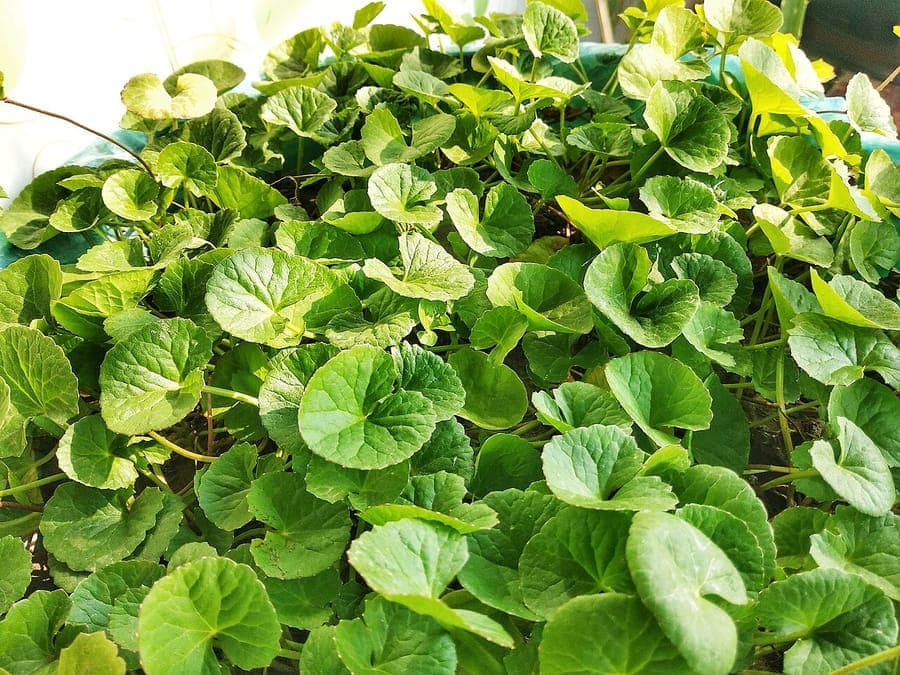
Centella asiatica is a low, creeping plant typically reaching 10-30 cm in height. The leaves are round to kidney-shaped, approximately 2-4 cm in diameter. They grow on long, thin petioles. The leaf pattern is very characteristic with fine grooves. The flowers are small, pale pink or white, and appear in spring and summer. They grow in small clusters at the plant base.
Ideal location
Centella asiatica grows best in partial shade locations. The plant tolerates full sunlight but in very warm climates some afternoon shade prevents leaves from shrivelling. In temperate areas, a position protected from afternoon sun is ideal. The plant can grow both indoors and outdoors depending on your climate.
Soil
Centella asiatica prefers moist, nutrient-rich soil. A mixture of garden soil and plenty of compost works well. The plant loves soil found around water so ensure good moisture retention. The pH should be between 5.0 and 7.5.
Diseño gratis
¿Quieres ver Centella asiatica: complete guide en tu jardín? Crea un diseño gratis ahora.
Watering
Centella asiatica is a moisture-loving plant. Ensure the soil remains moister than dry. The plant grows best in almost wet terrain or along water. Excessive drying out causes the plant to disappear. In hot periods, more frequent watering may be needed.
Pruning
Centella asiatica requires very minimal pruning. The plant naturally grows as a low ground cover. You can trim the edges slightly if the plant becomes too large. Harvest small amounts of leaves regularly for herbal tea or culinary use. This stimulates new leaf growth.
Maintenance calendar
January-March: Slow growth. Ensure adequate moisture. April-May: Growing season begins. Increase watering. June-July: Intensive growth period. Harvest regularly for use. August-September: Continue harvesting, regular watering. October-November: Growth slows. Maintain consistent moisture levels. December: Minimal maintenance.
Winter hardiness
Centella asiatica is not fully winter hardy in temperate climates. In zones 9-11 the plant can overwinter outdoors. In colder areas, above-ground growth will die back but roots may survive under thick mulch. The safest approach is to bring the plant indoors in a pot during winter.
Companion plants
Mint, evergreen ivy, Soleirolia soleirolii, Selaginella and Lysichiton grow well in the same moist conditions.
Closing
Centella asiatica is an attractive, easy-to-grow herbal plant with potential health benefits. Whether you grow it for medicine, salads or simply as a unique ground cover, it will be an interesting addition. With careful water management, this plant will thrive for years. Find more information at gardenworld.app. Garden centres have seeds available.
¿Quieres ver Centella asiatica: complete guide en tu jardín? Crea un diseño gratis ahora.
Sube una foto, elige un estilo y obtén un diseño fotorrealista con lista de plantas en menos de un minuto.
Más de 10.000 jardines diseñados
Sin tarjeta de crédito


Plantas similares
Whorled carrot: complete guide
Daucus involucratus
Daucus involucratus is a Mediterranean umbellifer with white flower heads framed by lacy bracts. Growing this gravel garden gem.
Daucus muricatus: complete guide
Daucus muricatus
Daucus muricatus, the spiny wild carrot, grows wild on Mediterranean coasts. Discover sowing, June-July bloom, and wildflower meadow use.
Daucus pumilus: complete guide
Daucus pumilus
Daucus pumilus is a dwarf wild carrot relative with white lacy umbels, thriving on dunes and coastal rock in poor, fast-draining soil.