
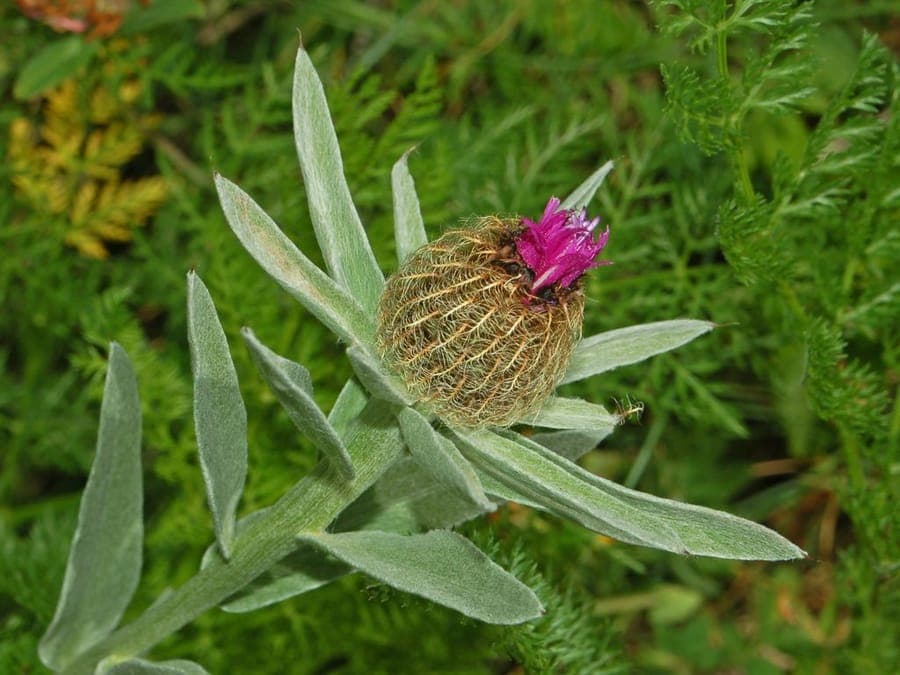
Hectonichus / CC BY-SA 3.0, via Wikimedia Commons
Centaurea uniflora: complete guide
Centaurea uniflora
¿Quieres ver Centaurea uniflora: complete guide en tu jardín?
1 minuto, sin tarjeta de crédito
Overview
Centaurea uniflora is a captivating alpine plant from the Asteraceae family. This remarkable botanical gem grows naturally in the southwestern Alps, where it has evolved remarkable hardiness and drought tolerance. With striking purple-pink blooms and compact growth habit, this plant is a true treasure for gardeners seeking something exceptionally unique.
The plant's name refers to its distinctive characteristic: each stem typically bears just one flower head, distinguishing it from other Centaurea species. This elegant, minimalist quality makes it a refined addition to any front yard design, especially in contemporary alpine or scree gardens.
Appearance and Bloom
Singleflower knapweed develops into a compact mound featuring fine, thread-like foliage in silvery-green tones. The leaves are covered with delicate gray hairs that provide protection against intense sunlight and desiccating winds typical of high-altitude environments.
Flowers appear in July and August, creating the visual drama this plant is known for. The blooms are purple-pink to magenta, reaching 3-4 centimeters in diameter. Each flower head consists of elegant, slightly rough scales that protect the delicate florets within.
The mature plant reaches 20-40 centimeters in height, forming a tidy, mounded silhouette. This compact form makes it ideal for rock gardens, scree gardens, and raised alpine beds.
Ideal Location
Centaurea uniflora demands full sun for optimal growth and flowering. Position the plant where it receives at least 6-8 hours of direct sunlight daily. Full sun exposure produces stronger plants and more abundant blooms.
This species thrives in raised beds, alpine troughs, and rock gardens. Its compact size also makes it suitable for container cultivation on terraces and patios. Ensure the plant has excellent visibility and is not overshadowed by taller neighbors.
Soil
Singleflower knapweed is not fussy about soil composition provided it drains excellently. Drainage is absolutely critical; excess moisture leads to root rot and plant failure. Mix a growing medium of approximately 40 percent grit, 40 percent garden loam, and 20 percent peat or composted bark.
In regions with heavy clay soils, construct raised beds filled with well-draining alpine soil. The plant naturally gravitates toward nutrient-poor, mineral-rich substrates reflecting its high-altitude heritage.
Diseño gratis
¿Quieres ver Centaurea uniflora: complete guide en tu jardín? Crea un diseño gratis ahora.
Watering
Once established, Centaurea uniflora is remarkably drought-tolerant. During the growing season, water regularly but allow soil to dry between applications. This prevents root rot and encourages deeper rooting.
During dry summers, increase watering frequency slightly, but never allow water to pool around the crown. Water at the plant's base early in the morning for best results. Once fully established, cease watering entirely during winter dormancy.
Pruning
Pruning is rarely necessary, but you can deadhead spent flowers after blooming to encourage a tidier appearance and potentially extend the flowering season. Removing faded blooms prevents the plant from investing energy in seed production.
In early spring, remove any damaged or dead foliage carefully, respecting the plant's delicate structure.
Maintenance Calendar
Spring: Plant seedlings. Ensure excellent drainage. Summer: Water regularly. Peak flowering. Fall: Gradually reduce watering. Winter: Withhold water entirely.
Winter Hardiness
Centaurea uniflora is winter hardy to approximately -20 degrees Celsius, making it suitable for virtually all UK and northern European gardens. In particularly wet winters, superior drainage becomes critical.
In waterlogged areas, plant the Centaurie slightly elevated or in raised beds. The species survives extended freeze periods with remarkable resilience, thanks to its alpine origins.
Companion Plants
Combine Centaurea uniflora with other alpine and drought-loving specimens for a cohesive alpine garden composition. Excellent companion plants include Dianthus species, Sempervivum, Saxifraga, Armeria maritima, and Pulsatilla.
Closing
Centaurea uniflora is an extraordinary plant for gardeners seeking something truly special. Its purple-pink flowers, compact form, and drought tolerance make it perfect for contemporary alpine gardens, scree gardens, and gravel landscapes.
With its minimalist elegance, this plant brings authentic alpine character to your garden. Given proper location selection and excellent drainage, expect years of beautiful blooms. Purchase from specialty alpine nurseries and premium garden centers. Visit gardenworld.app/en for expert design guidance.
¿Quieres ver Centaurea uniflora: complete guide en tu jardín? Crea un diseño gratis ahora.
Sube una foto, elige un estilo y obtén un diseño fotorrealista con lista de plantas en menos de un minuto.
Más de 10.000 jardines diseñados
Sin tarjeta de crédito


Plantas similares
Calendula stellata: complete guide
Calendula stellata
Complete guide to Calendula stellata, the star-flowered marigold from Sicily: location, soil, watering and companion planting tips.
Korean chrysanthemum: complete guide
Chrysanthemum x rubellum
Chrysanthemum x rubellum is a hardy autumn perennial with single pink to copper flowers from August to November. Care and combinations.
Helianthus divaricatus: complete guide
Helianthus divaricatus
Helianthus divaricatus is a North American woodland sunflower with yellow summer blooms, ideal for naturalistic borders and shady edges.