
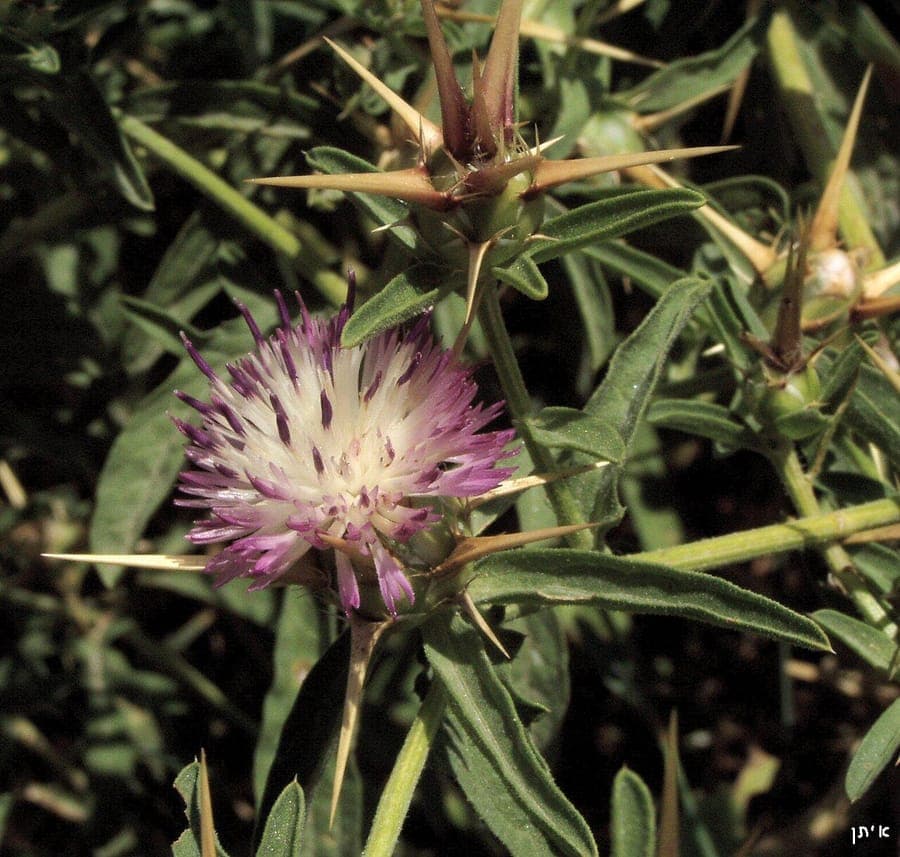
איתן פרמן / CC BY-SA 3.0, via Wikimedia Commons
Centaurea iberica: complete guide
Centaurea iberica
¿Quieres ver Centaurea iberica: complete guide en tu jardín?
1 minuto, sin tarjeta de crédito
Overview
Centaurea iberica, known as the Iberian knapweed or Iberian star thistle, is a stunning flowering plant with natural distribution across Mediterranean and Eastern European regions. This robust perennial thrives in dry, sunny conditions and can deliver reliable color for many years in your front garden.
Appearance and bloom
The Iberian knapweed features distinctive thistle-like flowers in shades of purple to pink, blooming from July through September. The plant typically reaches 60 cm tall with fine-toothed leaves that have a silvery hue. Strong stems and impressive flower heads make this plant a striking focal point in any garden design.
Ideal location
This plant performs best in full sun positions where at least six hours of direct sunlight reach the soil daily. Centaurea iberica shows exceptional drought tolerance and despises shaded spots. A well-ventilated location helps prevent fungal issues and encourages vigorous growth throughout the season.
Soil
Provide well-draining soil with a pH range of 6.0 to 7.5. This plant is not fussy and thrives even in poor, sandy soils. Heavy clay compositions can cause waterlogging and damage roots. Amend clay soils with grit or coarse sand to improve drainage. Compost or peat are unnecessary and may even promote excessive vegetative growth.
Watering
Once established, the Iberian knapweed becomes remarkably drought-resistant. Young plants need consistent moisture until roots develop (approximately 4 to 6 weeks). After establishment, restrict watering to extended dry periods only. Excessive moisture leads to root rot and should be avoided entirely.
Diseño gratis
¿Quieres ver Centaurea iberica: complete guide en tu jardín? Crea un diseño gratis ahora.
Pruning
Deadhead spent flowers regularly to encourage continuous blooming and maintain compact form. After the autumn flowering period, cut the plant back by one-third of its height. This stimulates dense growth the following season. Remove all dead or damaged stems throughout the year as they appear.
Maintenance calendar
Spring: Plant young specimens and apply single feed. Summer: Maintain consistent watering and remove dead flowers. Autumn: Prune after flowering ends. Winter: Minimal maintenance; protect against harsh frost with mulch in cold regions.
Winter hardiness
Centaurea iberica survives to approximately -15 degrees Celsius. In milder climates, this plant functions as a permanent shrub. In colder zones, treat it as an annual or protect with winter mulch. Well-draining soil helps prevent frost damage to root systems.
Companion plants
Pair Centaurea iberica with other drought-tolerant plants such as lavender, roses, sage, and catmint. These combinations significantly increase your garden's water efficiency. Lower-growing plants like stipa and verbena provide visual texture and contrast to highlight the blooms.
Closing
Centaurea iberica proves to be a reliable choice for dry, sunny gardens demanding minimal ongoing care. The purple flowers attract pollinators and add valuable beauty to your front garden design. Available at leading garden centers. Discover more drought-tolerant plant suggestions on gardenworld.app for further design inspiration.
¿Quieres ver Centaurea iberica: complete guide en tu jardín? Crea un diseño gratis ahora.
Sube una foto, elige un estilo y obtén un diseño fotorrealista con lista de plantas en menos de un minuto.
Más de 10.000 jardines diseñados
Sin tarjeta de crédito


Plantas similares
Calendula stellata: complete guide
Calendula stellata
Complete guide to Calendula stellata, the star-flowered marigold from Sicily: location, soil, watering and companion planting tips.
Korean chrysanthemum: complete guide
Chrysanthemum x rubellum
Chrysanthemum x rubellum is a hardy autumn perennial with single pink to copper flowers from August to November. Care and combinations.
Helianthus divaricatus: complete guide
Helianthus divaricatus
Helianthus divaricatus is a North American woodland sunflower with yellow summer blooms, ideal for naturalistic borders and shady edges.