
Len Worthington / CC BY-SA 2.0, via Wikimedia Commons
Centaurea cineraria (Dusty Miller): complete guide
Centaurea cineraria
¿Quieres ver Centaurea cineraria (Dusty Miller): complete guide en tu jardín?
1 minuto, sin tarjeta de crédito
Overview
Centaurea cineraria, commonly called Dusty Miller or Velvet Centaurea, is a stunning ornamental plant that will clothe your front yard in soft, silvery-gray tones. This elegant perennial belongs to the Asteraceae (Daisy) family and originates from Italy. With its fine, hair-covered foliage and compact growth habit, it is ideal for both modern and classical gardens.
Appearance and Bloom
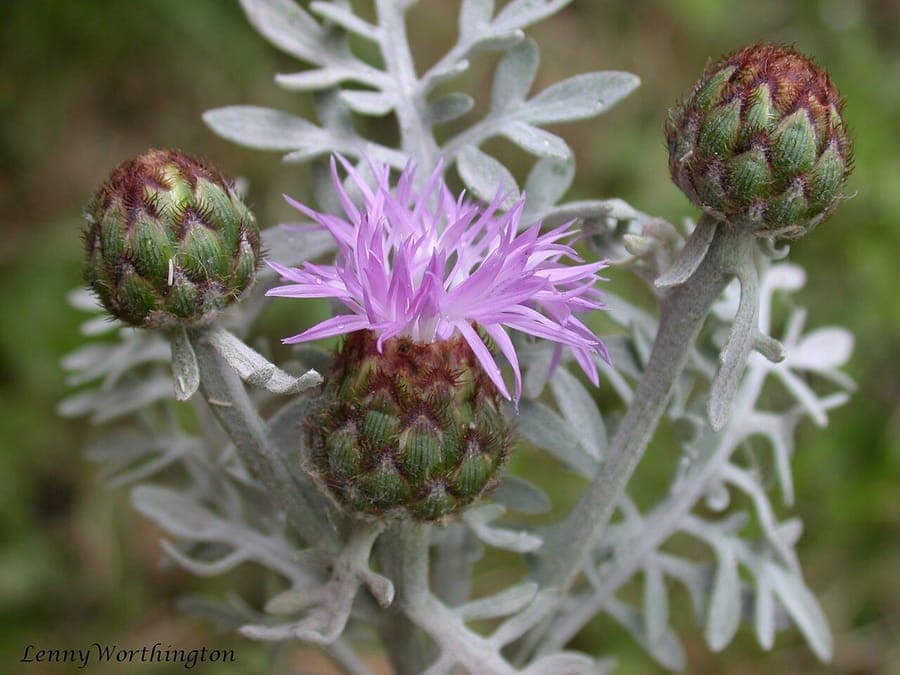
The plant grows to about 12-16 inches tall and forms a dense, compact mound. The most striking feature is the soft hairy, silvery-gray foliage covered with cobweb-like hairs. The leaves are finely divided with a fluffy texture that creates a subtle silver effect. In summer (July-October), small golden-yellow flowers appear that provide delightful contrast against the gray foliage. These blooms attract butterflies and bees, adding color to long-lasting borders.
Ideal Location
Centaurea cineraria thrives best in full sun. Provide at least six hours of direct sunlight daily - the more sun, the better the silvery color of the foliage becomes. In partial shade, the plant grows but loses its characteristic silvery glow. The plant is completely hardy throughout the UK and northern Europe and can remain outdoors year-round.
Soil
This plant is not fussy about soil type but prefers well-draining soil. Sandy, loamy, or rocky ground is ideal. Ensure there is no waterlogging - this can lead to root rot. If you have heavy clay, add compost or sand for better drainage. A pH value between 6 and 7 is optimal.
Watering
Once established, Centaurea cineraria is drought-tolerant. During the growing season (March-October), water moderately, especially during dry periods. In winter, the plant requires less water. Ensure the soil dries out between waterings. Overwatering is more dangerous than underwatering - it causes fungal infections and root rot.
Diseño gratis
¿Quieres ver Centaurea cineraria (Dusty Miller): complete guide en tu jardín? Crea un diseño gratis ahora.
Pruning
Annual pruning helps keep the plant compact and full. In spring (March-April), you can cut the plant back to about half its height. Also remove any dead or damaged stems. After blooming, you can deadhead to encourage further flowering. However, leave some seed heads if you'd like the plant to self-seed naturally.
Maintenance Calendar
Spring (March-May): Prune the plant back, refresh topsoil with fresh compost, begin regular watering Summer (June-August): Water regularly during dry spells, remove faded flowers Autumn (September-October): Reduce watering as temperatures drop, blooming concludes Winter (November-February): Minimal care needed; the plant is largely dormant and requires little water
Winter Hardiness
Centaurea cineraria is fully hardy throughout the UK and northern Europe. It can tolerate temperatures down to -4 degrees Fahrenheit without problems. No protection is necessary. The plant retains its foliage in winter and remains decorative because its silvery-gray color still stands out against snow and ice.
Companion Plants
The silvery-gray foliage of Centaurea cineraria creates beautiful contrast with purple, blue, and deep red plants. Combine with lavender, sage, or Salvia species for a Mediterranean effect. Also lovely beside pale flowers like white summer tulips or gray-green sedums. In containers, it works well with brightly colored blooms.
Closing Thoughts
Centaurea cineraria is an underrated treasure for UK and northern European gardens. With its silvery-gray foliage, golden-yellow blooms, and low maintenance requirements, it is perfect for dry borders, stylish containers, and Mediterranean garden designs. You'll find it at major garden centers and nurseries. Add this elegant plant to your front yard and enjoy years of beauty with minimal care!
Remember that you can easily design your garden online via gardenworld.app. Upload your front yard photo and receive a photorealistic redesign with plant recommendations - including species like this beautiful Centaurea!
¿Quieres ver Centaurea cineraria (Dusty Miller): complete guide en tu jardín? Crea un diseño gratis ahora.
Sube una foto, elige un estilo y obtén un diseño fotorrealista con lista de plantas en menos de un minuto.
Más de 10.000 jardines diseñados
Sin tarjeta de crédito


Plantas similares
Calendula stellata: complete guide
Calendula stellata
Complete guide to Calendula stellata, the star-flowered marigold from Sicily: location, soil, watering and companion planting tips.
Korean chrysanthemum: complete guide
Chrysanthemum x rubellum
Chrysanthemum x rubellum is a hardy autumn perennial with single pink to copper flowers from August to November. Care and combinations.
Helianthus divaricatus: complete guide
Helianthus divaricatus
Helianthus divaricatus is a North American woodland sunflower with yellow summer blooms, ideal for naturalistic borders and shady edges.