
Wikimedia Commons / Public domain, via Wikimedia Commons
Cedrela odorata: complete guide
Cedrela odorata
¿Quieres ver Cedrela odorata: complete guide en tu jardín?
1 minuto, sin tarjeta de crédito
Overview
Cedrela odorata, known as Cigar-box Cedar, Spanish Cedar, or Red Cedar, is a precious tropical tree native to Mexico and Tropical America. This tree is highly valued for its fragrant, reddish-brown wood traditionally used for cigar boxes and fine furniture. The tree reaches heights of 30 to 50 meters in its natural habitat and forms a majestic, upright crown. In cultivation, the tree typically grows to 15-25 meters.
Appearance and Leaves
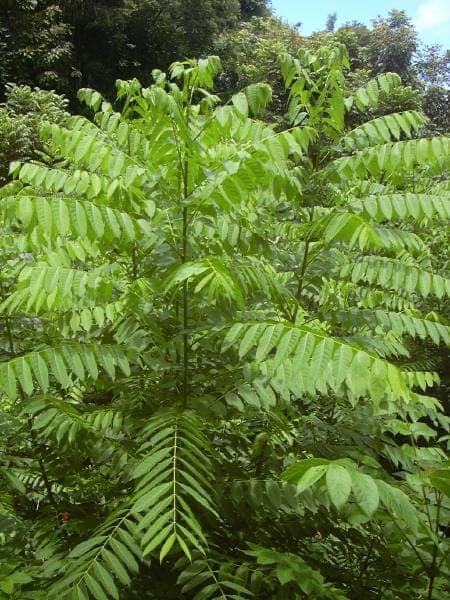
Cedrela odorata is distinguished by its large, compound leaves composed of 8 to 20 small leaflets. The leaves are bright green and have a pleasant aroma when damaged. The bark is grayish-brown and rough. The tree produces small, yellow-orange flowers in large flowering clusters that attract many insects. After flowering, large wooden fruits (capsules) form that split open in autumn, dispersing winged seeds.
Ideal Location
This tree thrives best in full sun with at least 6 to 8 hours of direct sunlight daily. The tree can only be cultivated in tropical and subtropical areas with minimum 15 degrees Celsius year-round. In cooler regions, only cultivation in greenhouses with moderate warmth is possible. The tree prefers protected locations away from strong winds.
Soil Requirements
Cedrela odorata prefers loose, well-draining, nutrient-rich soil. The tree can grow in both acidic and neutral soil. Poor drainage can cause problems. Sandy or loamy soil is well tolerated. Adding compost and organic matter at planting promotes healthy growth.
Diseño gratis
¿Quieres ver Cedrela odorata: complete guide en tu jardín? Crea un diseño gratis ahora.
Watering
In the first year after planting, the tree needs regular water. Keep the soil moist but not waterlogged. Once established, the tree tolerates drought reasonably well. In very dry seasons, supplemental water may be needed. For optimal growth, regular moisture is preferred.
Pruning
Pruning is normally not necessary but can be performed to control shape or remove lower branches. Avoid aggressive pruning as the tree heals slowly. Remove only dead, damaged, or very weak branches.
Maintenance Calendar
Spring: Beginning of growing season. Apply fertilizer. Summer: Period of vigorous growth. Provide regular water. Autumn: Fruits ripen and open. Seed dispersal. Winter: Growth slows. Minimal maintenance.
Winter Hardiness
Cedrela odorata is not winter-hardy and cannot survive in frost-prone climates. The minimum temperature is around 10-15 degrees Celsius. This tree is only suitable for tropical and subtropical areas or heated greenhouses.
Companion Plants
In tropical gardens, this tree grows well with other large shade trees such as mahogany and other hardwoods. Shade-loving tropical plants can grow underneath. The tree attracts many bird species.
Closing Remarks
Cedrela odorata is a beautiful and valuable tree for tropical gardens. Its fragrant wood, attractive leaves, and valuable properties make it a popular choice in its native regions. For those living in a warm tropical climate, this is an impressive tree to cultivate. Its aroma alone makes it worthwhile.
Gardenworld.app helps you with all the details of plant care. Gardenworld.app is your guide to more beautiful gardens.
¿Quieres ver Cedrela odorata: complete guide en tu jardín? Crea un diseño gratis ahora.
Sube una foto, elige un estilo y obtén un diseño fotorrealista con lista de plantas en menos de un minuto.
Más de 10.000 jardines diseñados
Sin tarjeta de crédito


Plantas similares
Muskwood: complete guide
Guarea guidonia
Everything about muskwood (Guarea guidonia): tropical origins, appearance, cultivation in conservatories and warm gardens, care and companions.
Trichilia dregeana: complete guide
Trichilia dregeana
Trichilia dregeana is an African tree with beautiful foliage and striking flowers. Learn how to care for this exotic plant in your garden.
Swietenia macrophylla: complete guide
Swietenia macrophylla
Discover Honduran mahogany - a tropical timber tree with architectural beauty. Growing requirements, care guide and sustainability for warm climates.