
O Tupinólogo / CC BY 4.0, via Wikimedia Commons
Catharanthus roseus: complete guide
Catharanthus roseus
¿Quieres ver Catharanthus roseus: complete guide en tu jardín?
1 minuto, sin tarjeta de crédito
Overview
Catharanthus roseus, commonly known as Madagascan periwinkle or cape jasmine, is a vibrant tropical plant native to Madagascar. With reliability, extended blooming period, and exotic charm, it is a favorite for warm climates and indoor plant collections.
This plant belongs to the Apocynaceae family. It is renowned for its continuous blooming from early summer until the first frost, making it a dependable color contributor to borders and containers.
Appearance and Bloom
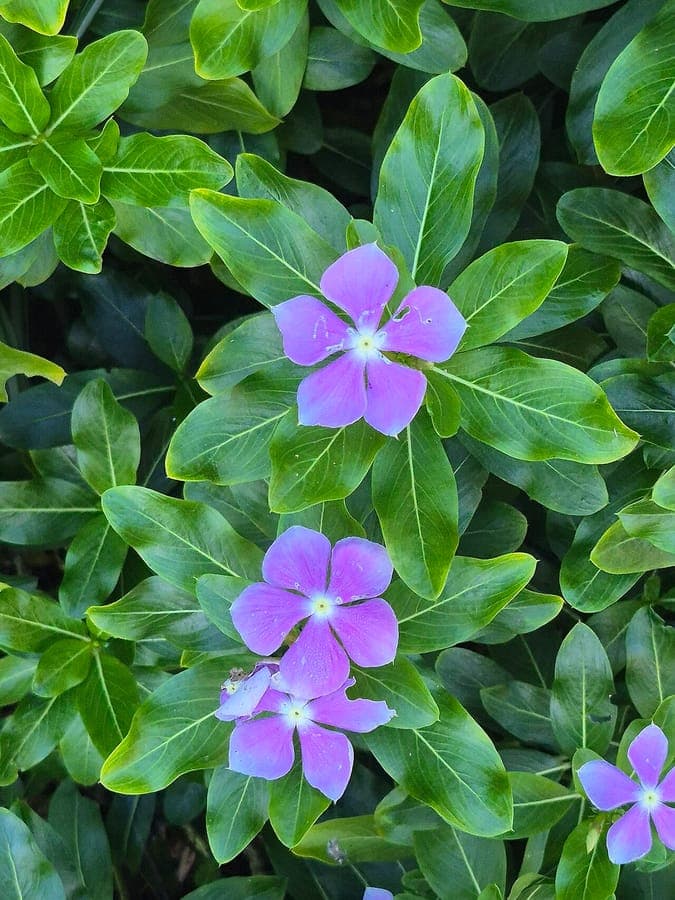
Catharanthus roseus grows as a compact, bushy plant usually 30 to 60 centimeters tall. The plant produces glossy green foliage. The flowers are approximately 2 to 3 centimeters in diameter with five petals in pink, white, purple, or red.
Most cultivars feature a contrasting dark "eye" or heart in the center of the flower. Flowers appear continuously from June to October, with even more blooms in warm summers. Each flower lasts only one day, but new flowers open daily.
The plant produces elongated fruits containing numerous tiny seeds.
Ideal Location
Plant Catharanthus roseus in full sun. The plant blooms best with at least 6 to 8 hours of direct sunlight daily. Insufficient light results in fewer flowers.
Choose a warm, sheltered microclimate, especially in cold regions. Protect from strong wind. The plant thrives in temperatures above 15 degrees Celsius.
Soil
The plant thrives in slightly acidic to neutral soil with pH 6.0 to 7.5. Well-draining soil is essential - heavy clay leads to root rot. Improve poor soils with compost and sand.
The plant tolerates moderate soil fertility. Excessive nitrogen causes too much leaf growth and fewer flowers.
Watering
Water regularly, especially during the growing period and warm weather. The plant has moderate water needs and tolerates some drought well once established.
Maintain evenly moist soil without waterlogging. Mulch helps with moisture retention. During periods of intense heat, provide more water. In cold, dry winter periods, water less.
Diseño gratis
¿Quieres ver Catharanthus roseus: complete guide en tu jardín? Crea un diseño gratis ahora.
Pruning
Pruning is not strictly necessary, but removing spent flowers extends blooming. Pinch the growing tips in early spring to promote more compact forms.
Remove dead, damaged, or diseased wood. In houseplant settings, cut back long shoots to get fuller plants.
Maintenance Calendar
May: Check plant spacing. Provide support in windy locations.
June-October: Water regularly. Remove spent flowers. Monitor for insect pests.
July-September: Peak growth and blooming. Good watering essential.
October: Harvest seed if desired. Prepare plant for winter.
November-April: In cold climates, overwinter indoors. Provide minimal care.
Winter Hardiness
Catharanthus roseus is tropical and not winter hardy. The plant dies with frost below 10 degrees Celsius. In cold regions, it is therefore an annual or indoor plant.
In milder temperature climates, it can overwinter outdoors in sheltered locations. In very cold regions, overwinter indoors on a sunny windowsill or under grow lights.
Companion Plants
Combines well with other summer bloomers such as Zinnia, Celosia, and Salvia. Also plant low-growing edging plants like Calibrachoa and Lobularia.
The plant also grows excellently in containers, making it ideal for balconies, patios, and verandas. Combine in hanging baskets with Heliotropium and other warm-weather plants.
Closing Thoughts
Catharanthus roseus brings tropical color and vitality to gardens throughout the season. With simple care and regular watering, it delivers continuous blooming in warm weather. This Madagascan beauty transforms borders and containers into colorful displays.
Available at garden centers in various cultivars. Seeds can be sown in spring under glass. Discover more inspiration on gardenworld.app for warm-weather gardens.
¿Quieres ver Catharanthus roseus: complete guide en tu jardín? Crea un diseño gratis ahora.
Sube una foto, elige un estilo y obtén un diseño fotorrealista con lista de plantas en menos de un minuto.
Más de 10.000 jardines diseñados
Sin tarjeta de crédito


Plantas similares
Asclepias speciosa: complete guide
Asclepias speciosa
Showy milkweed: striking pink-white flowers, fragrant blooms. Essential monarch butterfly host plant.
Plumeria obtusa: complete guide
Plumeria obtusa
Discover the Singapore graveyard flower: an exotic evergreen with mesmerizing white blooms and exquisite fragrance. Expert cultivation, care, and maintenance tips.
Wrightia arborea: complete guide
Wrightia arborea
Wrightia arborea, known as doodhi, is an elegant tree from South Asia with delicate white flowers. Discover how to cultivate this exotic plant.