
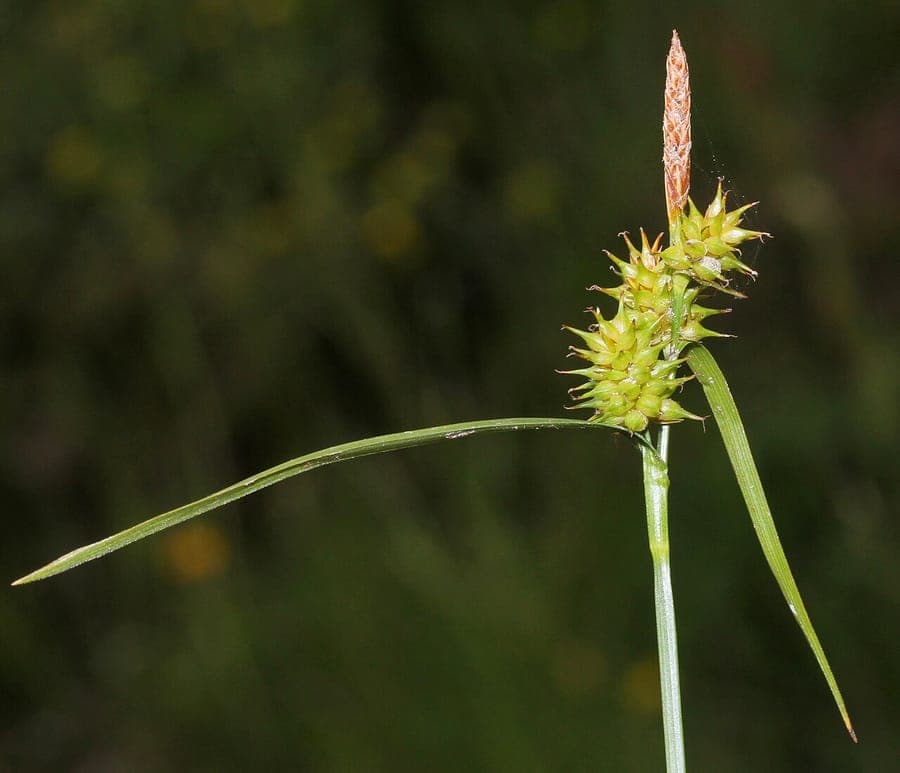
Marie PORTAS / CC BY-SA 2.0 fr, via Wikimedia Commons
Carex lepidocarpa: complete guide
Carex lepidocarpa
¿Quieres ver Carex lepidocarpa: complete guide en tu jardín?
1 minuto, sin tarjeta de crédito
Overview
Carex lepidocarpa, commonly known as small-fruited yellow-sedge, is a valuable sedge for gardeners seeking moisture-loving species. This compact to medium-sized sedge originates from Europe and North Africa and has proven reliable in damp garden conditions. With its fine texture and bright green foliage, this plant offers years of stability and elegance.
The sedge grows in dense tufts reaching 20 to 60 centimeters in height. Leaves are narrow and fine-textured, creating pleasant contrast with broader foliage of other groundcovers. In spring and summer, the plant produces small, inconspicuous flowers that form in interesting, scale-like spikes.
Appearance and bloom
Small-fruited yellow-sedge has exceptionally fine leaves growing in dense tufts. Each leaf is narrow and gradually tapers, giving the plant a very delicate appearance. Leaf color is bright green, varying from vibrant green in spring to darker green in summer.
The bloom of Carex lepidocarpa is subtle but fascinating. Flowers appear in small spikes positioned near the plant base. These are scale-like in appearance, explaining the scientific name of the species. The flowering period runs from April to June, depending on climate and growing conditions.
Ideal location
Small-fruited yellow-sedge prefers partial shade to full shade locations. In Mediterranean climates, the plant can tolerate full sun if soil remains constantly moist. Avoid intense afternoon sun in very warm regions.
Position Carex lepidocarpa in groupings with other moisture-loving plants. The fine texture of the sedge contrasts beautifully with plants like hostas, ferns, and helleborus. This combination creates a lush, woodland-like atmosphere in damp corners.
Soil
Provide excellent moisture retention. The plant grows optimally in clay or loamy soil that remains consistently moist. Add abundant compost or leaf-rich humus before planting. This increases water-holding capacity and provides slow-release nutrients.
Carex lepidocarpa tolerates slightly acidic soil (pH 6.0-7.5). Avoid heavy compaction through gentle maintenance and add fresh mulch annually.
Diseño gratis
¿Quieres ver Carex lepidocarpa: complete guide en tu jardín? Crea un diseño gratis ahora.
Watering
Keep soil consistently moist during growing season (March to October), but not waterlogged. The plant tolerates short dry periods but flourishes in moist conditions. In dry growing seasons, water once weekly.
From November to February, reduce watering as growth slows and rainwater usually suffices.
Pruning
Minimal pruning is required for Carex lepidocarpa. In spring (March), remove dead leaves and previous year's growth. Use a fine rake or scissors for this task.
Once the plant becomes lush in midsummer, you may gently remove withered leaves. This promotes air circulation and prevents disease.
Maintenance calendar
March-April: Remove dead leaves, add compost May-June: Monitor moisture levels, mist during dry periods July-August: Check for leaf disease, remove any odd growth September-October: Prepare for winter, add mulch November-February: Minimal maintenance, remove only dead material
Winter hardiness
Carex lepidocarpa is highly winter hardy, surviving temperatures to -20 degrees Celsius. In severe frost, you may mulch the plant for extra protection. Most European gardens can overwinter this sedge without problems.
Companion plants
Pair Carex lepidocarpa perfectly with:
- Polystichum setiferum (soft shield fern)
- Hosta spp. (hosta)
- Helleborus niger (Christmas rose)
- Astilbe spp. (false spiraea)
- Adiantum pedatum (maidenhair fern)
Conclusion
The small-fruited yellow-sedge is essential for anyone creating a moist, half-shaded garden. With its fine texture, low maintenance needs, and strong frost hardiness, this sedge offers reliable performance for years. Whether you are a beginning gardener or experienced plant collector, Carex lepidocarpa deserves a place in your garden.
For Dutch version, visit gardenworld.app/nl For French version, visit gardenworld.app/fr
¿Quieres ver Carex lepidocarpa: complete guide en tu jardín? Crea un diseño gratis ahora.
Sube una foto, elige un estilo y obtén un diseño fotorrealista con lista de plantas en menos de un minuto.
Más de 10.000 jardines diseñados
Sin tarjeta de crédito


Plantas similares
Flat-stemmed club-rush: complete guide
Bolboschoenus planiculmis
Everything about Bolboschoenus planiculmis: growing conditions, watering, care, and use as a pond margin or wetland plant in garden design.
Great Plains flatsedge: complete guide
Cyperus lupulinus
Everything about Great Plains flatsedge (Cyperus lupulinus): growing conditions, care, garden uses, and ecological value. Tips for pond margins and dry sandy soils.
Golden beak sedge: complete guide
Rhynchospora corymbosa
Everything about golden beak sedge (Rhynchospora corymbosa): a dramatic tropical marginal for pond edges, bog gardens, and wet habitats.