
Buendia22 / CC BY-SA 4.0, via Wikimedia Commons
Cardiospermum halicacabum: complete guide
Cardiospermum halicacabum
¿Quieres ver Cardiospermum halicacabum: complete guide en tu jardín?
1 minuto, sin tarjeta de crédito
Overview
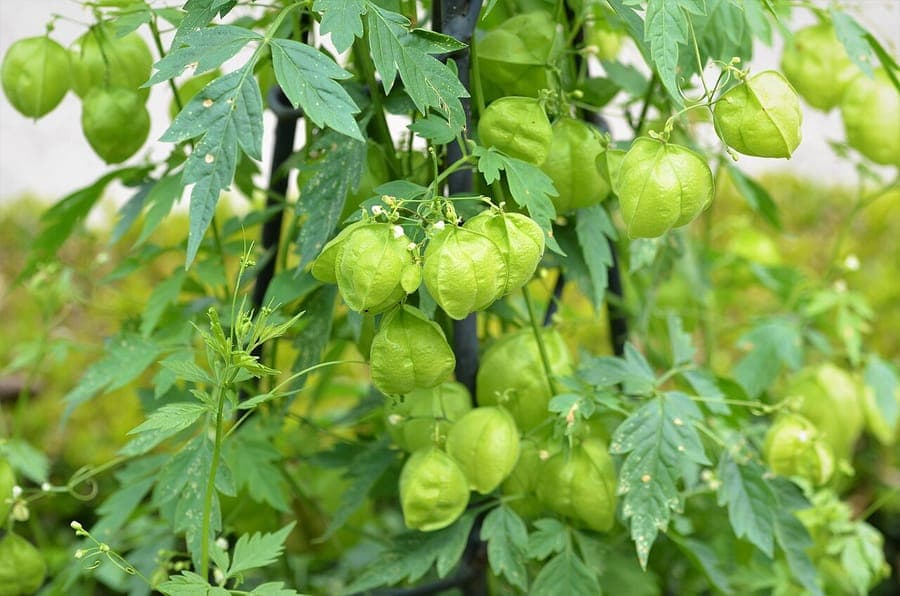
Cardiospermum halicacabum, known as balloonvine or heartseed-climber, is a fascinating tropical climbing plant from the Sapindaceae family. The plant is famous for its characteristic seed pods that resemble little balloons, hence the English name Love-in-a-Puff. This annual or short-lived climber grows quickly and creates a festive atmosphere in gardens and on terraces. The plant offers decorative value through its fine foliage and striking fruits.
Appearance and Bloom
The balloonvine grows as a climber with tendrils and easily reaches 2-3 meters in height under optimal conditions. The leaves are delicately compound, light green, and give the plant an airy, elegant appearance. The flowers are small, white to yellow blooms that are quite inconspicuous. The real spectacle, however, lies in the seed fruit: round, bladder-shaped seed pods that are pale green when young and purple-red when ripe. Each pod contains three black seeds with a white heart-shaped marking.
Ideal Location
The balloonvine flourishes best in warm, sunny spots with at least 6 hours of direct sunlight daily. In the Netherlands, this plant only grows in warmer summer months, planted in pots that can be placed against a southern wall or in a greenhouse. The plant requires support in the form of climbing frames, trellises, or nets. In cooler regions, the plant can grow outdoors during summer and autumn, or as a pot plant throughout the season.
Soil
Cardiospermum halicacabum grows in nutrient-rich, well-draining soils. A mixture of garden compost and sand in a 3:1 ratio is suitable. The plant can, however, also grow in leaner soils as long as drainage is good. The pH can be reasonably variable (6.0-7.5). Regular fertilizing in the growing period stimulates growth and flower/fruit setting.
Diseño gratis
¿Quieres ver Cardiospermum halicacabum: complete guide en tu jardín? Crea un diseño gratis ahora.
Watering
Water regularly, especially during the growing period when the plant is actively growing. Ensure the soil remains moist but not waterlogged. The plant becomes drought-sensitive once it begins to climb, so consistently moist conditions are preferred. Drip irrigation can be useful in hot periods. In autumn weather, gradually reduce watering.
Pruning
Cardiospermum halicacabum requires little formal pruning. Pinching young, growing tips stimulates branching. Remove dead or diseased parts. At the end of the growing season, the plant can be cut back to the base if growing for the next season.
Maintenance Calendar
- March-April: Sow seeds in a warm greenhouse. Seedlings appear after 7-10 days.
- May: Pot into larger pots when 2-3 leaves visible. Plant outdoors in warm, sheltered location.
- June-July: Active growth and climbing period. Water and fertilize regularly.
- August-September: Bloom and fruit setting begins. Seed pods ripen.
- October-November: Harvest seeds from ripe seed pods. Cut back plant or bring indoors for winter.
Winter Hardiness
Cardiospermum halicacabum is not winter-hardy in the Netherlands. This is an annual or short-lived climber in our climate. Seeds can be saved for next season. In warmer regions, the plant can overwinter if temperature doesn't drop below 10 degrees Celsius.
Companion Plants
The balloonvine grows well in association with other heat-loving climbers such as Ipomoea (morning glories) and Thunbergia. These combined plantings create visually interesting displays. In baskets and pots, compact growth-habit species can be planted at the base. Avoid competition for the same support.
Closing Remarks
Cardiospermum halicacabum offers gardeners year-long summer splendor with its unique seed pods and elegant climbing growth. The plant combines useful decorative value with low-maintenance nature. For those who love unusual plants and are willing to save seeds annually, balloonvine is a valuable addition to dry gardens and other warm-climate pastimes.
¿Quieres ver Cardiospermum halicacabum: complete guide en tu jardín? Crea un diseño gratis ahora.
Sube una foto, elige un estilo y obtén un diseño fotorrealista con lista de plantas en menos de un minuto.
Más de 10.000 jardines diseñados
Sin tarjeta de crédito


Plantas similares
Acer pycnanthum: complete guide
Acer pycnanthum
Acer pycnanthum, the Japanese swamp maple, is a fast-growing tree with early red flowers and brilliant autumn color, ideal for damp garden settings.
Freeman maple: complete guide
Acer × freemanii
Everything about the Freeman maple (Acer x freemanii): a fast-growing shade tree with spectacular autumn colour for large gardens.
Wild ackee: complete guide
Cupania americana
A comprehensive guide to Cupania americana, a tropical tree from the Sapindaceae family with conspicuous white flowers and brown fruits, native to tropical America.