
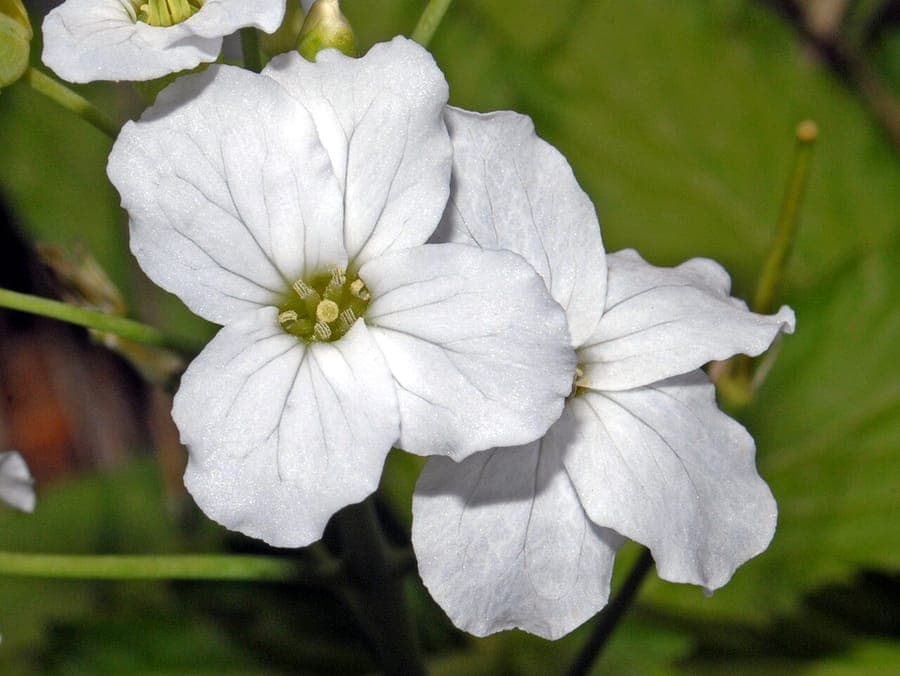
Hectonichus / CC BY-SA 4.0, via Wikimedia Commons
Pinnate Coralroot: complete guide
Cardamine heptaphylla
¿Quieres ver Pinnate Coralroot: complete guide en tu jardín?
1 minuto, sin tarjeta de crédito
Overview
The Pinnate Coralroot (Cardamine heptaphylla) is an elegant spring-blooming perennial from the Brassicaceae family, native to the forests of southern Europe and west-central Germany. This delicate woodland dweller has naturalised in parts of Great Britain and thrives in cool, moist, partially shaded gardens.
With its distinctive seven-leaflet feathered foliage and dainty white to purple flowers, the Pinnate Coralroot brings woodland charm to shaded garden corners. This understated beauty relies on early season flowering and compact growth habit to earn its place in shade-loving plant collections.
Appearance and bloom
The defining feature of Cardamine heptaphylla is its feathered compound leaves, composed of seven separate leaflets arranged along a central rachis. This architectural foliage gives the species its common and botanical names, with 'heptaphylla' meaning seven-leafed in Latin.
Flowers appear from April through June as four-petalled blooms in white or soft purple shades. They form loose racemes atop slender stems reaching ten to twenty-five centimetres tall. Following flowering, the plant produces long, slender seed pods that extend ornamental interest through the growing season.
Ideal location
Pinnate Coralroot thrives in dappled shade to deep shade conditions. It grows beautifully beneath deciduous trees where filtered winter and spring light penetrates the canopy. Morning sun combined with afternoon shade represents the ideal microclimate.
The plant suits woodland borders, shaded undergrowth planting, and bases of larger shrubs. Pair it with fellow shade residents like hellebores and spring crocuses for layered early-season interest.
Soil
Cardamine heptaphylla prefers humus-rich, moisture-retentive soil with a slightly acidic to neutral pH between 7.0 and 7.5. Amend planting holes generously with compost to improve water retention and organic content.
Heavy clay soils need breaking up with sand and compost additions. Moderately well-drained soils are tolerated, but waterlogging absolutely must be avoided. Natural woodland leaf litter mulch creates ideal conditions.
Watering
Thoroughly water plants upon planting. Continue regular watering until establishment. Established plants have moderate water needs.
Water regularly during the growing season when rainfall is scarce, but avoid waterlogging. The plant enjoys consistent soil moisture without wet feet. Ensure drainage around root zones and avoid allowing water to pond.
Diseño gratis
¿Quieres ver Pinnate Coralroot: complete guide en tu jardín? Crea un diseño gratis ahora.
Pruning
Pinnate Coralroot requires minimal pruning. Plants naturally form compact, tidy growth habits. Spent flower stems can be removed for tidier appearance or left for seed production and bird feeding.
Allow plants to rest after flowering, conserving energy for the next season. Remove only dead foliage and debris. This species regenerates from underground rhizomes each spring.
Maintenance calendar
March: Check soil moisture. Water sparingly if very dry. Mark plant location to prevent accidental damage from digging.
April-May: Flowering period. Enjoy delicate blooms. Water occasionally in dry spells.
June: Seed pod maturation. Leave spent flowers or deadhead for neatness.
July-September: Growth phase. Water regularly during dry periods. Energy focuses on root and foliage expansion.
October-February: Winter dormancy. Plants exist underground. Above-ground parts decay naturally. Monitor soil moisture.
Winter hardiness
Cardamine heptaphylla is exceptionally hardy. Plants tolerate temperatures well below freezing without damage or protection. As a ground-level grower, it actually benefits from frost exposure, which aids natural dormancy cycles.
Protect only newly planted specimens during their first winter. Established plants need no winter care in temperate climates.
Companion plants
Pinnate Coralroot combines beautifully with:
- Hellebores - complementary shade preferences and late-winter colour
- Spring bluebells - delicate blue companions with similar timing
- Moss - living ground cover beneath shade trees
- Primroses - golden spring partners from the same habitat
- Arum lilies - later bloomers with attractive mottled foliage
Conclusion
The Pinnate Coralroot is a charming woodland flowering plant for shade-garden enthusiasts. With elegant feathered foliage and delicate blooms, this species delivers months of garden interest.
Plant beneath trees or in woodland border situations where few plants succeed. Once established, it requires minimal care whilst rewarding with reliable early-season flowering. Find it at specialty nurseries in spring. A genuine treasure for collectors of rare woodland plants!
Learn more at gardenworld.app/en and gardenworld.app/nl.
¿Quieres ver Pinnate Coralroot: complete guide en tu jardín? Crea un diseño gratis ahora.
Sube una foto, elige un estilo y obtén un diseño fotorrealista con lista de plantas en menos de un minuto.
Más de 10.000 jardines diseñados
Sin tarjeta de crédito


Plantas similares
Brassica cretica: complete guide
Brassica cretica
Brassica cretica, the Cretan cabbage, grows wild on Aegean cliffs. Discover how to grow this drought-tolerant, yellow-flowered Mediterranean perennial.
Corsican cabbage: complete guide
Brassica insularis
Corsican cabbage is a rare Mediterranean rock cabbage with white flowers and blue-green leaves. Location, soil and winter protection.
Prostrate cabbage: complete guide
Brassica procumbens
Prostrate cabbage is a creeping North African cliff plant with yellow flowers. Discover location, soil type and winter protection.