
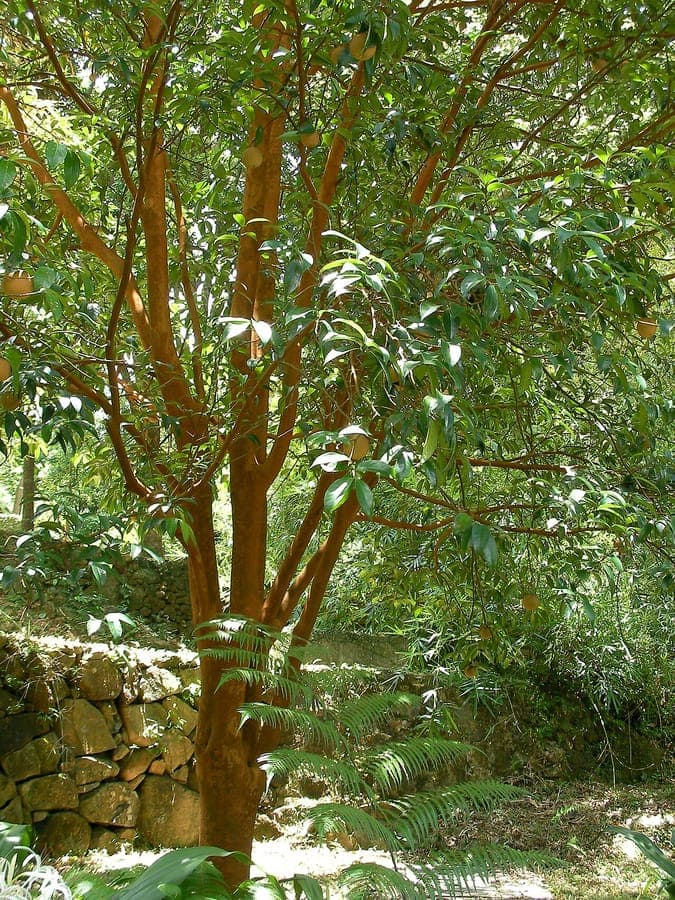
Tequila 01:26, 17 July 2007 (UTC) / CC BY-SA 3.0, via Wikimedia Commons
Camellia crapnelliana: complete guide
Camellia crapnelliana
¿Quieres ver Camellia crapnelliana: complete guide en tu jardín?
1 minuto, sin tarjeta de crédito
Overview
Camellia crapnelliana, commonly known as Crapnell's camellia, is a distinctive and rare plant from southeastern China. Belonging to the Theaceae family, the same family that produces tea and Japanese camellias, this plant stands out with its glossy dark green foliage and white, sometimes pink-tinged blooms. It represents a true pearl in any collection of exotic plant enthusiasts.
This camellia is significantly rarer than its much-celebrated cousins Camellia japonica and Camellia sasanqua. The plant is known for being somewhat temperamental outside its native habitat, making it a rewarding challenge for experienced gardeners. Flowers emerge in autumn through early winter, providing exceptional visual interest precisely when most gardens look drab.
Appearance and Bloom
Crapnell's camellia grows as a shrubby plant with a compact, dense growth habit. The leaves are glossy, lance-shaped to elliptical, displaying a dark green color that appears almost black under certain light. The foliage shows subtle ribbing that feels interesting to touch.
The flowers are where this plant truly excels. Blooms are white to cream-colored with yellow stamens in the center, sometimes displaying light pink tinges, particularly at petal edges. The flowers are typically semi-double to fully double, giving them a luxuriant and sculptural appearance.
Blooming extends from October through December, depending on local climate conditions. This makes the plant exceptionally valuable for winter interest when most gardens have faded.
Ideal Location
Camellia crapnelliana thrives in half-shade to light shade. Full sun, especially in warmer climates, can cause leaf scorch. Protect the plant from harsh winter or spring winds.
The ideal spot contains:
- Morning light with minimal afternoon sun
- Protection from strong winds
- Well-ventilated areas to prevent fungal issues
- Proximity to other plants for partial shelter
- Distance from heat-absorbing surfaces like stone walls
In the UK or northern Europe, cultivate this plant in a protected microclimate, perhaps against a south-facing wall with afternoon shade or beneath larger trees.
Soil
Camellias generally prefer slightly acidic soil. Camellia crapnelliana is no exception. Add compost, peat, or acidic sand to adjust pH toward 5.5-6.5. Avoid alkaline soils completely.
Ideal soil composition:
- 50% acidic peat or coir
- 20% compost or leaf mold
- 20% orchid bark or coarse sand
- 10% perlite for aeration
Ensure perfect drainage. Waterlogging in pots can be fatal. For container cultivation, use specialized camellia compost mix.
Diseño gratis
¿Quieres ver Camellia crapnelliana: complete guide en tu jardín? Crea un diseño gratis ahora.
Watering
Camellia crapnelliana requires consistently moist but never waterlogged soil. During the growing season (May to October), water regularly but avoid drowning. In winter, reduce watering slightly, though never let the plant dry completely.
Key watering tips:
- Water in early morning or evening, never midday
- Use rainwater or soft water when possible
- Ensure water drains freely from containers
- Mist foliage during hot periods
- Excessive water causes root rot; insufficient water causes bud drop
Pruning
Camellia crapnelliana requires minimal pruning. The plant grows naturally elegant and well-shaped. Prune only damaged or diseased wood.
Minimal pruning consists of:
- Removing crossing branches
- Deadheading spent flowers and seed pods after blooming
- Removing weak or dead wood in spring
- Using disinfected pruners for each cut
Never prune drastically. This plant recovers slowly from heavy pruning.
Maintenance Calendar
January-March: Bloom culminates January-February. Protect against extremes. April-May: Growth accelerates. Water regularly. Light feeding possible. June-August: Warmest season. Provide shade and consistent moisture. September-October: Blooming preparation begins. Buds form. November-December: Bloom reaches peak. Enjoy flowers; maintain but don't drench.
Winter Hardiness
Camellia crapnelliana is moderately cold-hardy. In temperate climates through USDA zone 7-8, outdoor cultivation is possible with winter protection. In harsh climates (zone 6 and colder), container cultivation in a cool greenhouse is recommended.
Winter protection measures:
- Protect from frost below -10 degrees Celsius
- Wrap containers in insulation material
- Position against south-facing wall in sheltered location
- In severe winters: move to unheated greenhouse
In the UK and northern Europe, outdoor cultivation is possible in sheltered spots, but winter protection is strongly recommended.
Companion Plants
Camellia crapnelliana combines beautifully with:
- Other acid-loving plants (Rhododendron, Azalea)
- Skimmia japonica - red berries in winter
- Sarcococca confusa - fragrant white flowers in winter
- Helleborus niger - Christmas rose with white blooms
- Garrya elliptica - silken catkins
These combinations create texture and seasonal interest.
Closing
Camellia crapnelliana is a rare, elegant plant for specialized gardeners and plant enthusiasts. Its rarity, elegant blooms, and winter flowering make it a treasured addition. While cultivation demands more attention than common plants, the reward is absolutely worthwhile.
Specimens can be found at specialized camellia nurseries and premium garden centers. GardenWorld.app offers design advice for integrating this rare plant into your garden scheme.
With proper placement, feeding, and careful management, you'll enjoy Camellia crapnelliana for decades.
¿Quieres ver Camellia crapnelliana: complete guide en tu jardín? Crea un diseño gratis ahora.
Sube una foto, elige un estilo y obtén un diseño fotorrealista con lista de plantas en menos de un minuto.
Más de 10.000 jardines diseñados
Sin tarjeta de crédito


Plantas similares
Franklin tree: complete guide
Franklinia alatamaha
Everything about growing Franklinia alatamaha: soil, location, winter hardiness, pruning and companions. A unique tree extinct in the wild, stunning in cultivation.
Camellia granthamiana: complete guide
Camellia granthamiana
Discover Grantham's camellia, known as the poached egg camellia with pure white blooms. Perfect guide for exotic plant enthusiasts.
Yellow Camellia: complete guide
Camellia petelotii
Discover the Golden Camellia with its rare yellow blooms. Learn how to grow this Asiatic shrub for exotic garden beauty and winter color.