
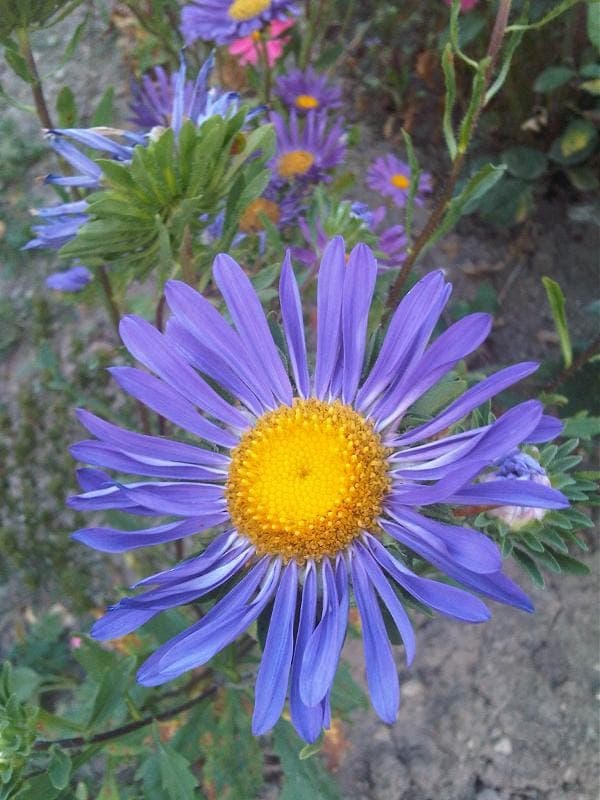
Emőke Dénes / CC BY-SA 4.0, via Wikimedia Commons
Callistephus chinensis: complete guide
Callistephus chinensis
¿Quieres ver Callistephus chinensis: complete guide en tu jardín?
1 minuto, sin tarjeta de crédito
Overview
Callistephus chinensis, commonly known as China aster or annual aster, is a cherished annual flower originating from China. This vital garden plant belongs to the large Asteraceae family and has been favored by gardeners worldwide for centuries. With its abundant, hollow flowers in various colors, this plant adds a brilliant addition to summer bedding and cut-flower arrangements.
The plant is available in countless forms and color shades, from classic pink to bright yellow and pure white. Flower forms range from simple, single varieties to luxuriously full, peony-like blooms. This makes Callistephus chinensis a flexible choice for any garden style and flower arrangement preference. Its popularity among gardeners seeking fresh seasonal color remains unmatched.
Appearance & bloom
Callistephus chinensis presents a full, upright growth habit. The plant typically reaches 30 to 90 centimeters in height, depending on cultivar. The stems are strong, erect, and well-branched, resulting in numerous lateral shoots loaded with flowers.
The leaves are long, lanceolate, and finer-textured than many other garden plants. They exhibit dark-green coloration that contrasts with the vibrant flowers. The flowers themselves are the real highlight. They reach 5 to 8 centimeters in diameter, with countless petals radiating from the center. Color options include classic pink, deep purple, pure violet, snow white, soft lavender, and cheerful yellow.
The flowering period extends from July through October, depending on sowing date. This provides months of admirable blooms for cut-flower arrangements and garden beds.
Ideal location
Callistephus chinensis thrives best in sunny locations receiving at least six hours of direct sunlight daily. Full sun promotes flower abundance and healthy plant growth. Position in a sheltered spot where plants receive protection against strong, howling winds that can damage slender stems.
The plant can be grown in border gardens, beds, containers, and even in cut-flower production beds. For cut-flower purposes, plant in rows with 20 to 30 centimeter spacing. As a border plant, place in foreground or middle ground, depending on cultivar height. In containers, use large pots with minimum 20-liter capacity.
Soil
Callistephus chinensis prefers well-draining, fertile soil with moderate organic matter. Heavy clay soils can lead to root rot - improve with gritty sand and compost. pH of 6.0 to 7.0 proves ideal. Prepare soil beds by working 5 to 10 centimeters of ripe compost beforehand.
The plant can grow in various soil types but appreciates nutritious substrate. Ensure drainage functions well - stagnant water proves fatal. For container cultivation, use nutrient-rich potting soil specially formulated for flowering plants.
Diseño gratis
¿Quieres ver Callistephus chinensis: complete guide en tu jardín? Crea un diseño gratis ahora.
Watering
Callistephus chinensis requires regular watering, particularly during growth and flowering periods. Water moderately and deeply - ensure the top 2 to 3 centimeters feel dry before next watering. This plant is susceptible to root rot through overwatering, so prevention surpasses treatment.
During hot summer days, daily watering may prove necessary. Always water at soil level - avoid spraying over leaves and flowers, which can cause disease. Early-morning watering proves optimal, as soil then dries slowly during heat. Maintain consistent moisture without waterlogging.
Pruning
Pinching at early stages (when plants reach 15-20 centimeters height) encourages bushy growth. Snip the top 2-3 centimeters. This results in more branches and more flowers. For even more compact growth, a second pinching can be done when flower-topped shoots reach 15-20 centimeters length.
Remove faded flowers regularly (deadheading) to extend blooming period. This drives plants to produce even more flowers. At season end, pull entire plant and remove for composting. This annual dies with first frost, so reseed next year.
Maintenance calendar
Maintenance schedule: Spring: sow seeds indoors 6-8 weeks before last frost date, or sow directly outside after last frost. Summer (July-August): transplant seedlings, water regularly, deadhead faded flowers. Late summer through autumn (September-October): enjoy full bloom, continue watering, continue deadheading.
Feeding: apply balanced dilute fertilizer every 2-3 weeks when blooming begins. Weaken concentration per package instructions. Stop feeding in autumn.
Winter hardiness
Callistephus chinensis is not winter-hardy and dies at first frost. It is a true annual and cannot overwinter outdoors in temperate climates. After first frost date, pull the entire plant. In warmer climates (zones 10-11), the plant occasionally self-seeds for next season.
For next-season planting, sow new seeds next spring. Seeds can be started indoors (recommended for guaranteed success) or sown directly outside after all frost danger passes.
Companion plants
Callistephus chinensis combines beautifully with other summer flowers. Plant with Zinnias for extended blooming and complementary colors. Combining with blue Cornflowers creates classic summer appearance. Combine with white Sweet Alyssum along borders for support.
Other suitable companions: Gomphrena, Marigold, Salvia, Petunia, and silvery Dusty Miller. These groupings create visually interesting mixed beds. Avoid: planting too close to Brassica family members (cabbage group) or moisture-loving plants.
Closing thoughts
Callistephus chinensis offers summer-long beauty with minimal effort. This annual plant proves ideal for gardeners wishing to experiment with new colors and forms each season. Whether gathering cut flowers for table arrangements or growing for mass color in beds, this aster delivers.
Find seeds in every garden center, along with starter plants in spring. Specialty retailers carry extensive selections. For inspiration and advice, visit gardenworld.app. Each season brings opportunity to start Japanese beauty anew.
¿Quieres ver Callistephus chinensis: complete guide en tu jardín? Crea un diseño gratis ahora.
Sube una foto, elige un estilo y obtén un diseño fotorrealista con lista de plantas en menos de un minuto.
Más de 10.000 jardines diseñados
Sin tarjeta de crédito


Plantas similares
Calendula stellata: complete guide
Calendula stellata
Complete guide to Calendula stellata, the star-flowered marigold from Sicily: location, soil, watering and companion planting tips.
Korean chrysanthemum: complete guide
Chrysanthemum x rubellum
Chrysanthemum x rubellum is a hardy autumn perennial with single pink to copper flowers from August to November. Care and combinations.
Helianthus divaricatus: complete guide
Helianthus divaricatus
Helianthus divaricatus is a North American woodland sunflower with yellow summer blooms, ideal for naturalistic borders and shady edges.