
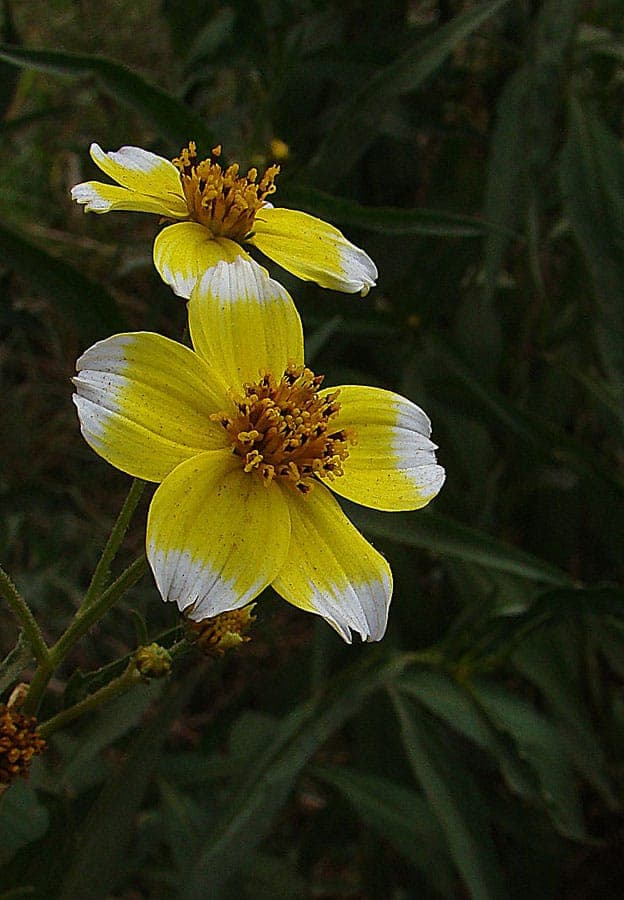
Dick Culbert from Gibsons, B.C., Canada / CC BY 2.0, via Wikimedia Commons
Arizona beggar-ticks: complete guide
Bidens aurea
¿Quieres ver Arizona beggar-ticks: complete guide en tu jardín?
1 minuto, sin tarjeta de crédito
Overview
Bidens aurea, commonly known as Arizona beggar-ticks or golden beggar-ticks, is a versatile and attractive plant from the Asteraceae family. Native to the southwestern United States and Mexico, this plant has become increasingly popular in European gardens and balcony containers. With its stunning golden-yellow flowers that bloom from June to October, it makes an excellent addition to any garden design.
The plant is renowned for its vigorous growth, long flowering period, and easy care requirements. Although it originates from a warm climate, it thrives in temperate zones with proper conditions. Whether you are an experienced gardener or just starting out, Bidens aurea is a perfect choice.
Appearance and bloom
Bidens aurea develops into a compact, branching plant with a naturally rounded growth habit. The plant typically reaches a height of 30 to 60 centimeters and spreads to about the same width when fully mature. The stems are well-branched and covered with fine, light-green leaves.
The leaves are compound and finely divided, giving them a delicate, feathery appearance. They have a fine texture that looks lighter and more elegant than many other garden plants. Leaf color varies from green to light yellow-green depending on the amount of sunlight received.
The flowers are undoubtedly the star attraction of this plant. They appear in clusters at the stem tips and are golden-yellow in color. Each flower measures about 2 to 3 centimeters in diameter and consists of multiple petals arranged in a circular pattern. The flowers attract butterflies and other pollinators, providing them with essential food sources.
Blooming usually begins in May or June and continues until the first frost in October or November. With proper care, individual flowers last 2 to 3 weeks before fading.
Ideal location
Bidens aurea thrives best in locations receiving at least 6 to 8 hours of direct sunlight daily. It can also grow in partial shade, but will produce fewer flowers and may develop a less compact form. Place the plant in the sunniest spot in your garden or on your balcony.
The plant is very flexible regarding growing environment. It does well in borders, containers, hanging baskets, and even as a specimen plant in a large pot. In hanging baskets, it will develop an attractive trailing habit with stems elegantly cascading over the edges.
Bidens aurea is relatively wind-tolerant, making it suitable for exposed locations. This makes it particularly suitable for roof gardens and balconies where wind is common. The plant doesn't object to intense sunlight or heat.
Soil requirements
This plant doesn't demand excessive soil conditions. It grows well in virtually any nutrient-rich garden soil. However, it is important that the soil drains well - waterlogging can lead to root rot. When planting, add organic matter such as garden compost or leaf mold to improve water-holding capacity and structure of heavy soils.
The ideal pH is between 5 and 8.6 (slightly acidic to neutral to slightly alkaline). This means it grows almost anywhere. For potted plants, use a well-draining potting mix, for example a mixture of garden soil, potting soil, and perlite in equal parts.
Add organic fertilizer annually or work some compost into the soil surface each spring. This promotes healthy growth and abundant flowering.
Diseño gratis
¿Quieres ver Arizona beggar-ticks: complete guide en tu jardín? Crea un diseño gratis ahora.
Watering
Bidens aurea likes good moisture levels during the growing season, but not waterlogged conditions. Water the plant regularly so the soil is moist but not soggy. In dry summers, daily watering may be necessary, especially for potted plants.
Check moisture by inserting your finger 2 centimeters into the soil. If the soil still feels moist, wait another day. If it feels dry, water generously.
In winter, the plant grows considerably slower. Reduce watering to only when the top layer of soil feels dry. However, don't let the soil dry out completely.
In wet climates or with abundant rain, almost no additional watering is needed. Always monitor the soil - it's better to err slightly dry than too wet.
Pruning
Bidens aurea requires little pruning. In early spring, remove any dead or damaged stems. This helps the plant branch better and produce more flowers.
Starting in May and June, you can lightly trim the plant by pinching off stem tips. This promotes a more compact, rounded growth habit. Remove about 5 to 10 centimeters from the tops.
Remove discolored or diseased leaves immediately. This prevents disease spread.
Maintenance calendar
FEBRUARY-MARCH: Preparation for growing season. Remove dead parts. Add compost.
APRIL-MAY: Plant out in garden border or container. Begin regular watering. Sow seeds or transplant seedlings.
JUNE-AUGUST: Rich flowering period. Water regularly. Feed once every two weeks.
SEPTEMBER-OCTOBER: Flowering continues. Water normally. Stop feeding in early October.
NOVEMBER-DECEMBER: Plant dies back with frost. Remove dead material. Save seeds for next year.
Winter hardiness
Bidens aurea is an annual or short-lived perennial. In warmer regions it can overwinter, but in temperate and cold climates it will die at frost. The plant tolerates temperatures around 5 degrees Celsius, but grows better above 10 degrees.
You can save seeds from healthy plants and resow the following spring. This is an economical and easy way to enjoy this plant year after year.
Companion plants
Bidens aurea combines beautifully with other summer bloomers. Group it with white flowers like Argyranthemum or Calibrachoa for contrast. It also pairs well with blue-flowering species like Lobelia or Scaevola.
In borders it fits well between hydrangeas and other perennials. In containers and hanging baskets it combines wonderfully with sage, lavender, and silvery-leaved plants.
Conclusion
Bidens aurea is a fantastic plant for those wanting a long flowering period and easy care. With just some sun, regular watering, and feeding, it grows beautifully. You can find this plant at garden centers throughout Europe.
For a complete guide and more garden tips, visit gardenworld.app. Also check out our plant guide on gardenworld.app for more inspiration.
¿Quieres ver Arizona beggar-ticks: complete guide en tu jardín? Crea un diseño gratis ahora.
Sube una foto, elige un estilo y obtén un diseño fotorrealista con lista de plantas en menos de un minuto.
Más de 10.000 jardines diseñados
Sin tarjeta de crédito


Plantas similares
Calendula stellata: complete guide
Calendula stellata
Complete guide to Calendula stellata, the star-flowered marigold from Sicily: location, soil, watering and companion planting tips.
Korean chrysanthemum: complete guide
Chrysanthemum x rubellum
Chrysanthemum x rubellum is a hardy autumn perennial with single pink to copper flowers from August to November. Care and combinations.
Helianthus divaricatus: complete guide
Helianthus divaricatus
Helianthus divaricatus is a North American woodland sunflower with yellow summer blooms, ideal for naturalistic borders and shady edges.