
Wikimedia Commons / CC BY-SA 3.0, via Wikimedia Commons
Basella alba: complete guide
Basella alba
¿Quieres ver Basella alba: complete guide en tu jardín?
1 minuto, sin tarjeta de crédito
Overview
Basella alba, known as Malabar spinach, Indian spinach, or Ceylon spinach, is a fascinating tropical climber from warm regions. The plant combines ornamental value with practical benefits - you can eat the leaves as spinach. This makes Basella alba unique in gardens where aesthetics and food production converge.
The plant grows rapidly and can reach 2 to 3 meters in a single season. With support, it climbs walls, pergolas, or other structures. In temperate climates, Basella alba is cultivated as an annual summer plant, though it can overwinter in warm conditions.
Appearance and flowering
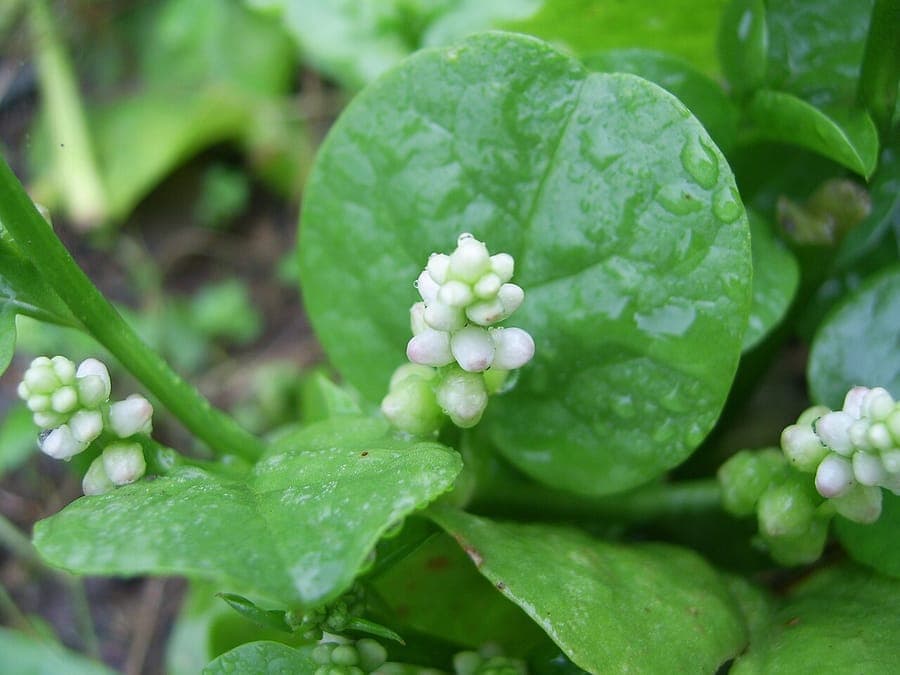
Basella alba has succulent, glossy green leaves that are oval to heart-shaped. Leaves alternate along slender stems and measure 5 to 10 centimeters. The plant produces small white to pink flowers in long spikes. These flowers are not spectacular but attractive in their simplicity.
After pollination, small dark purple to black berries form, adding extra ornamental value. These berries contain many seeds and are spread by birds.
The foliage is the main attraction for gardeners. Fresh green leaves create a tropical appearance in any garden.
Ideal location
Basella alba loves warm, sunny spots. Place the plant where it receives at least 6 to 8 hours of direct sunlight daily. The more sun, the faster and fuller growth. Too much shade severely slows development.
Provide shelter from strong winds. The plant is fragile when young, so a semi-sheltered corner is better than an open windy area. As the plant matures, it tolerates wind better.
Warmth is crucial. Basella alba doesn't grow below 15 degrees Celsius and stops entirely below 10 degrees. In temperate summers, it grows well. Plant after the last frost around mid-May.
Soil
Basella alba prefers nutrient-rich, well-draining soil. Add plenty of compost or well-rotted manure before planting. The plant is a hungry feeder.
The pH should be neutral to slightly acidic, between 5.5 and 7.5. Basella alba tolerates moderately acidic soils better than very acidic ones.
Good drainage is needed to prevent root rot. In waterlogged soils, improve by adding sand or perlite or constructing raised beds. The plant likes consistently moist soil but not waterlogged.
Diseño gratis
¿Quieres ver Basella alba: complete guide en tu jardín? Crea un diseño gratis ahora.
Watering
Basella alba needs regular watering, especially in warm periods. Water so soil stays moist but never waterlogged. Check with your finger if the top centimeter feels dry.
In hot summers, water daily or every other day. Mulch around the plant to retain moisture and reduce temperature fluctuations.
Water from below is better than spraying, though regular misting in very dry conditions can help.
Feeding
Basella alba is a hungry plant. Feed every two weeks with organic liquid fertilizer during the growing season (April to October). This stimulates leaf growth and overall health.
Start feeding about a month after planting. Double the frequency when the plant grows intensively.
Regular watering can leach nutrients, so consistent feeding is important.
Pruning and support
Basella alba grows best with support. Install a tripod, trellis, or other climbing frame at planting time. Loosely tie young stems as they develop.
Pinch back the tops of young plants to stimulate branching. This encourages fuller growth and more leaf production. Do this up to twice during the growing season.
Remove yellow or damaged leaves regularly. This improves air circulation and health.
Harvesting and use
Leaves can be harvested once the plant is large enough, about 6 to 8 weeks after planting. Pick the top young leaves and a few side leaves, but leave enough for continued growth.
The leaves taste mild and slightly nutty. They can be eaten raw in salads or cooked like spinach. Regular harvesting stimulates more leaf production.
Companion plants
Basella alba works well with other summer growers. Tomatoes on the same support frame. Basil underneath for aroma. Chrysanthemums for color contrast. Other climbing vegetables like cucumbers. Aquatic combinations can be interesting.
Winter protection
In temperate regions, Basella alba cannot survive frost. By late October, after the first frost, the plant will die. This is normal and expected.
You can take cuttings in September-October and overwinter them indoors on a sunny windowsill. These can be planted outside again in May. Alternatively, save seeds and start new plants from seed next year.
Closing remarks
Basella alba brings tropical beauty and practical food production to temperate gardens. With warmth, feeding, and support, this plant thrives magnificently and provides harvests of succulent spinach leaves. Gardenworld.app helps you find the perfect sunny spot in your garden. The plant requires effort in support and feeding, but the reward is a season of growth and harvest.
¿Quieres ver Basella alba: complete guide en tu jardín? Crea un diseño gratis ahora.
Sube una foto, elige un estilo y obtén un diseño fotorrealista con lista de plantas en menos de un minuto.
Más de 10.000 jardines diseñados
Sin tarjeta de crédito


Plantas similares
Acer pycnanthum: complete guide
Acer pycnanthum
Acer pycnanthum, the Japanese swamp maple, is a fast-growing tree with early red flowers and brilliant autumn color, ideal for damp garden settings.
Freeman maple: complete guide
Acer × freemanii
Everything about the Freeman maple (Acer x freemanii): a fast-growing shade tree with spectacular autumn colour for large gardens.
Silver vine: complete guide
Actinidia polygama
Discover silver vine (Actinidia polygama): a hardy climbing plant with silvery foliage, loved by gardeners and cats alike.