
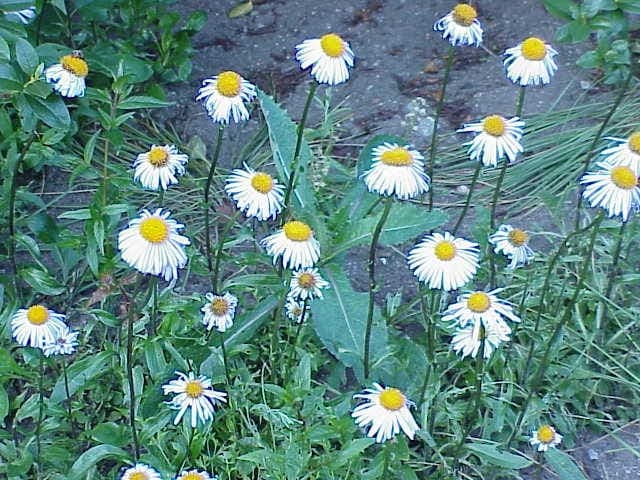
Kurt Stueber / CC BY-SA 3.0, via Wikimedia Commons
Aster tongolensis: complete guide
Aster tongolensis
¿Quieres ver Aster tongolensis: complete guide en tu jardín?
1 minuto, sin tarjeta de crédito
Overview
Aster tongolensis, commonly known as Himalayan aster or Sichuan aster, is a delightful alpine perennial from mountain regions of Tibet and China. This plant is prized for its soft blue flowers with yellow centers, which appear from May through late summer. Reaching 40-60 cm in height, it's ideal for borders and flower beds in both traditional and contemporary gardens.
Himalayan aster is an essential addition for modern gardeners valuing low maintenance and extended blooms. The plant is particularly attractive to butterflies and pollinators, making it a valuable component of wildlife-friendly gardens. The plant grows compactly and more elegantly than many other aster species, making it perfect for small to medium-sized gardens.
Appearance and Bloom
Aster tongolensis grows as a compact alpine perennial with fine, linear foliage that is attractively green. The flowers are the true attraction: countless sky-blue blooms with golden disk centers form generous clusters that rise above the foliage. The flower color is soft and pleasant, working well in virtually any garden scheme.
The flowering period spans May through September, ensuring extended color continuity. This is longer than many other aster species, making it one of the best choices for prolonged summer borders. Each flower persists for several weeks, allowing you to enjoy the beautiful hue over an extended period. A mature plant can carry hundreds of flowers simultaneously.
Ideal Location
Himalayan aster performs best in full sun to partial shade. Provide at least 5-6 hours of direct sunlight. The plant grows in partial shade but produces fewer flowers and may lose elegance. Avoid sites with strong wind, though the plant is reasonably robust and doesn't topple easily.
This plant excels in borders, flower beds, and near stone gardens. It combines beautifully with other late-summer bloomers such as rudbeckia, sedum and lavender. Plant in groups of three to five for maximum effect.
Soil
Aster tongolensis has moderate soil requirements. Standard, well-draining garden soil is adequate. The plant thrives better in slightly moister soil than asphodeline, but waterlogged conditions are undesirable. The plant tolerates both acidic and neutral soils.
Add some organic matter to improve moisture retention, especially during dry summers. A neutral pH is ideal but not critical. The plant is highly adaptable to various soil types.
Diseño gratis
¿Quieres ver Aster tongolensis: complete guide en tu jardín? Crea un diseño gratis ahora.
Watering
During the growing season, water regularly, especially during dry periods. Ensure the soil never completely dries out, yet avoid waterlogging. Mulch helps retain soil moisture and keeps temperatures more stable.
In winter, reduce watering to natural rainfall. Ensure winter drainage is good, especially during very wet years. Avoid wet feet during the winter dormancy period.
Pruning
Remove spent flowers regularly to encourage additional blooms. This also maintains a neater plant appearance. Cut back the plant in early spring to about 15 cm height for more compact growth. This promotes a fuller, bushier plant with more flowers.
Maintenance Calendar
Spring: Prune, fertilize, check for pests. Remove winter-dead material. Summer: Water regularly, deadhead spent flowers. Monitor blooming period and plant health. Autumn: Prepare plant for winter, reduce feeding. Leave some dried stems for bird food. Winter: Minimal care, protect against excessively wet conditions.
Winter Hardiness
Aster tongolensis is winter hardy to approximately -15 to -20 degrees Celsius. In most European regions, the plant survives without protection. Only in the coldest areas is winter protection beneficial. The plant is highly reliable in temperate climates.
Companion Plants
Himalayan aster combines beautifully with other late summer bloomers such as sedum, echinacea, and rudbeckia. Pairing with silver-foliaged plants or dark-leaved companions (such as heuchera) creates striking contrast effects. Pink or purple tones work particularly well alongside the blue.
Closing Thoughts
Aster tongolensis offers months of gentle blue blooms with minimal care. This makes it ideal for busy gardeners. Find it at local garden centers where knowledgeable staff can assist with color and size selection.
On gardenworld.app you can discover this plant in combination with other species and see how it best shines in your garden setting.
On gardenworld.app you can also generate your own garden design featuring Aster tongolensis and visualize exactly how this beautiful alpine bloomer will appear in your space. Experiment with different combinations to find your ideal summer border.
¿Quieres ver Aster tongolensis: complete guide en tu jardín? Crea un diseño gratis ahora.
Sube una foto, elige un estilo y obtén un diseño fotorrealista con lista de plantas en menos de un minuto.
Más de 10.000 jardines diseñados
Sin tarjeta de crédito


Plantas similares
Calendula stellata: complete guide
Calendula stellata
Complete guide to Calendula stellata, the star-flowered marigold from Sicily: location, soil, watering and companion planting tips.
Korean chrysanthemum: complete guide
Chrysanthemum x rubellum
Chrysanthemum x rubellum is a hardy autumn perennial with single pink to copper flowers from August to November. Care and combinations.
Helianthus divaricatus: complete guide
Helianthus divaricatus
Helianthus divaricatus is a North American woodland sunflower with yellow summer blooms, ideal for naturalistic borders and shady edges.