
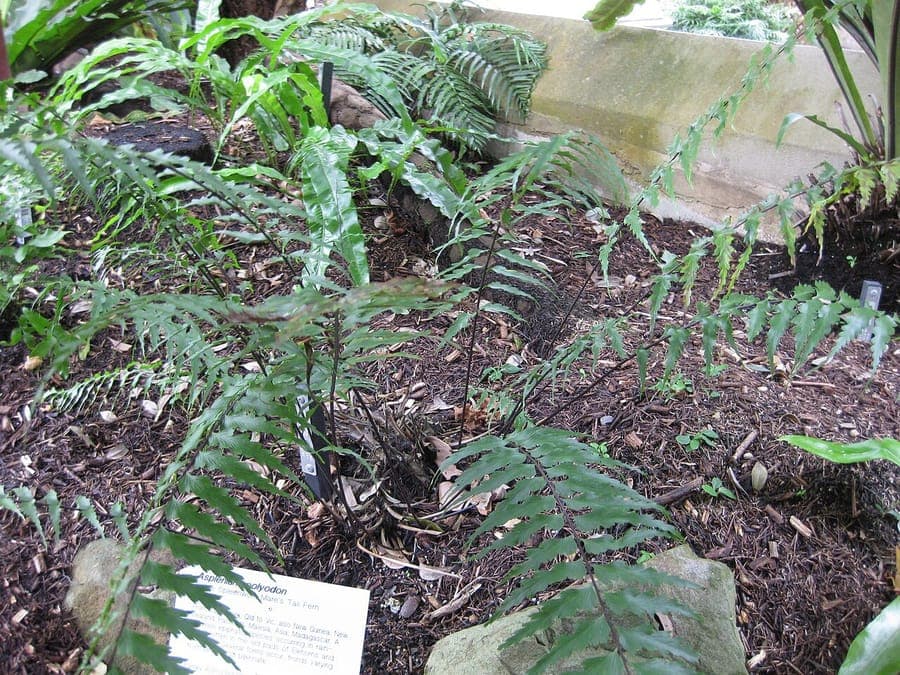
Raffi Kojian / CC BY-SA 3.0, via Wikimedia Commons
Asplenium polyodon: complete guide
Asplenium polyodon
¿Quieres ver Asplenium polyodon: complete guide en tu jardín?
1 minuto, sin tarjeta de crédito
Overview
The sickle speenwort (Asplenium polyodon) is a captivating fern that thrives in subtropical and tropical regions across the Pacific. Native to areas ranging from the Ogasawara Islands to New Zealand, this elegant plant has adapted to a diverse range of habitats. Today, it makes an exceptional houseplant for those seeking refined greenery in shaded corners.
This fern belongs to the Aspleniaceae family and earns its common name from its distinctive sickle-shaped leaflets. With proper care and the right environment, your sickle speenwort will grow beautifully for years.
Appearance and characteristics
The sickle speenwort is a delicate plant that rarely exceeds 30-40 cm in height. Its fronds are composed of numerous small, curved leaflets arranged along a central rachis. Each leaflet displays the characteristic curved shape that inspired the plant's name. The overall effect is of graceful, feathery foliage that moves gently with air currents.
The leaves maintain a deep green color year-round. Like all ferns, the sickle speenwort reproduces via spores rather than flowers. These spores are housed in small structures called sori, found on the underside of mature fronds.
Ideal location
This fern thrives in shade to partial shade environments. Indoors, place it near a north-facing window or several feet away from south- or west-facing windows. Outdoors, it prefers shelter under tree canopies or on the shadowed side of structures.
Avoid direct sunlight, which causes frond damage and browning. The plant also appreciates protection from strong winds, which can tear the delicate fronds. A humid location near a bathroom or kitchen window often works well.
Soil requirements
The sickle speenwort requires well-draining, moisture-retentive soil. A blend of peat moss, perlite, and bark works excellently. Maintain a slightly acidic to neutral pH. Ensure proper drainage by using pots with drainage holes and adding a drainage layer at the base.
Fresh potting mix every 18-24 months helps replenish nutrients. The plant is relatively forgiving about soil composition, provided it never sits in stagnant water.
Diseño gratis
¿Quieres ver Asplenium polyodon: complete guide en tu jardín? Crea un diseño gratis ahora.
Watering
Keep the soil consistently moist but not waterlogged. Check the top 1-2 cm of soil regularly; water when it feels slightly dry. During growing season (spring and summer), you may water twice weekly. In winter, reduce frequency.
Use room-temperature water, preferably distilled or rainwater, to prevent mineral buildup on fronds. Misting the foliage occasionally mimics natural humid conditions and helps the plant flourish.
Pruning
Pruning is minimal for this fern. Remove only dead, damaged, or yellowing fronds at the base. This maintenance encourages new growth and maintains the plant's neat appearance. Use sterile, sharp scissors to prevent disease transmission.
Seasonal light pruning in spring helps remove winter damage and makes room for vigorous new fronds.
Maintenance calendar
Spring marks the beginning of active growth. Increase watering and begin light monthly feeding with a balanced, diluted fertilizer. Summer is the growth peak. Maintain consistent moisture and consider misting on hot days. Autumn and winter demand reduced watering and feeding as growth slows. Watch for spider mites and other indoor pests, which thrive in dry winter conditions.
Winter hardiness
The sickle speenwort is not cold-hardy. In temperate climates, grow it as a houseplant or bring it indoors before frost. Ideal temperatures range from 15-25°C (59-77°F). Avoid locations near heating vents, air conditioners, or drafty doors, as temperature fluctuations stress the plant.
Companion plants
Pair this fern with other shade-loving tropicals such as fuchsias, begonias, and other fern species. All companions should have similar moisture requirements. In mixed containers, the sickle speenwort's fine texture complements bolder foliage plants beautifully.
Final thoughts
The sickle speenwort fern is a refined choice for shade-loving gardeners and plant enthusiasts. Its delicate fronds and compact habit make it perfect for interior collections, shaded patios, and mixed plantings. With consistent moisture, proper drainage, and indirect light, this fern rewards you with years of elegant growth. Find yours at local garden centers or specialty plant retailers.
Embrace the timeless beauty of fern gardening with this exceptional Pacific native!
¿Quieres ver Asplenium polyodon: complete guide en tu jardín? Crea un diseño gratis ahora.
Sube una foto, elige un estilo y obtén un diseño fotorrealista con lista de plantas en menos de un minuto.
Más de 10.000 jardines diseñados
Sin tarjeta de crédito


Plantas similares
Mountain spleenwort: complete guide
Asplenium montanum
Everything about mountain spleenwort fern: cultivation, care, growing conditions and proper maintenance for your garden
Western spleenwort: complete guide
Asplenium vespertinum
The Western spleenwort (Asplenium vespertinum) is a delicate fern from California with fine, feathery fronds. Learn about care, location, and overwintering in this comprehensive guide.
Asplenium cirrhatum: complete guide
Asplenium cirrhatum
Discover the chestnut scale spleenwort, a tropical fern full of elegance. Learn how to care for this exotic plant at home.