
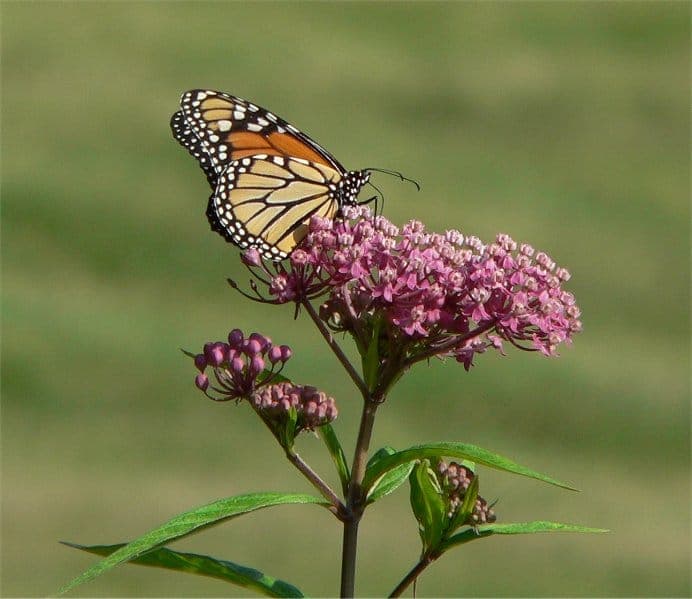
The original uploader was Teune at English Wikipedia. / CC BY-SA 3.0, via Wikimedia Commons
Swamp milkweed: complete guide
Asclepias incarnata
¿Quieres ver Swamp milkweed: complete guide en tu jardín?
1 minuto, sin tarjeta de crédito
Overview
Swamp milkweed (Asclepias incarnata), also called redvine milkweed or swamp silkweed, is a beautiful North American native plant from the Apocynaceae family. This plant is famous for its bright pink to red flower clusters that attract butterflies and pollinators. In its natural habitat, it grows in marshes, along lakes, and wet grasslands.
The plant provides crucial nutrition for monarch butterfly caterpillars, making it essential for supporting these iconic insects. It is both ecologically important and a stunning garden addition that offers year-round interest.
Appearance and bloom
Swamp milkweed grows 60-120 cm tall, developing upright, sturdy stems. The leaves are narrow, lance-shaped and opposite on the stems. The true highlight comes in mid to late summer when dense, half-rounded clusters of bright pink to red flowers appear.
The flowers have a unique structure with a distinctive crown and corona of peculiar appendages. After blooming, elongated seed pods develop, splitting open in autumn to release silken-haired seeds that drift on the wind.
Ideal location
Swamp milkweed grows best in full sun to partial shade, with full sun producing the richest blooms. The plant tolerates shade but will be taller and less dense. Avoid planting where larger plants cause excessive competition.
This plant excels in border gardens, rain gardens, and background plantings. For more planting guidance, visit gardenworld.app/en for comprehensive resources.
Soil
Swamp milkweed accepts various soil types and tolerates conditions better than many Asclepias species. It grows in both dry and wet soils, though it performs best in wet to muddy conditions. A pH of 5.0 to 8.0 is acceptable.
Improve your soil by adding organic matter, particularly if you have drier soil. Avoid heavy, compacted clay where water stagnates, though the plant can manage most conditions.
Diseño gratis
¿Quieres ver Swamp milkweed: complete guide en tu jardín? Crea un diseño gratis ahora.
Watering
Swamp milkweed is quite moisture-loving and handles water well. Regular watering is essential in the first growing season. Once established, the plant tolerates drought but looks better and flowers more abundantly with consistent moisture.
In wet areas, you may need minimal supplemental water. Mulch helps retain moisture and protects the root system during temperature extremes.
Pruning
Swamp milkweed can be pruned to encourage bushy growth, though not necessary. Deadheading (removing spent flowers) stimulates continued blooming. After winter, cut back dead stems to approximately 10 cm height.
The plant regenerates from the roots after pruning, so extensive maintenance pruning is unnecessary. The plant is fairly self-sufficient once established.
Maintenance calendar
Spring: Cut back dead stems. Begin watering if soil dries. Divide if desired.
Summer: Water regularly, enjoy the pink blooms. Deadhead for extended flowering.
Autumn: Stop pruning, allow seed pods to mature for birds and self-seeding.
Winter: Plant is dormant. No maintenance needed in temperate zones.
Winter hardiness
Swamp milkweed is winter hardy through zone 3, thriving in virtually all temperate climates. Above-ground portions die back in winter, but plants regenerate reliably each spring.
In extremely cold climates, additional mulch provides winter protection. The plant prefers drainage so roots don't freeze solid.
Companion plants
Swamp milkweed pairs beautifully with:
- Other native plants
- Tall blooming plants
- Summer-flowering species
- Ornamental grasses
Plant with adequate spacing for full maturation. The plant can become quite dense and compete for water with neighbors.
Closing
Swamp milkweed is an excellent choice for gardeners who value native plants and wish to support butterflies. Its effortless care, gorgeous pink blooms, and ecological importance make it a must-have. With minimal effort, this plant flowers reliably year after year.
Want to explore more native plants? Visit gardenworld.app/en for more inspiring ideas and guidance.
¿Quieres ver Swamp milkweed: complete guide en tu jardín? Crea un diseño gratis ahora.
Sube una foto, elige un estilo y obtén un diseño fotorrealista con lista de plantas en menos de un minuto.
Más de 10.000 jardines diseñados
Sin tarjeta de crédito


Plantas similares
Asclepias speciosa: complete guide
Asclepias speciosa
Showy milkweed: striking pink-white flowers, fragrant blooms. Essential monarch butterfly host plant.
Plumeria obtusa: complete guide
Plumeria obtusa
Discover the Singapore graveyard flower: an exotic evergreen with mesmerizing white blooms and exquisite fragrance. Expert cultivation, care, and maintenance tips.
Wrightia arborea: complete guide
Wrightia arborea
Wrightia arborea, known as doodhi, is an elegant tree from South Asia with delicate white flowers. Discover how to cultivate this exotic plant.