
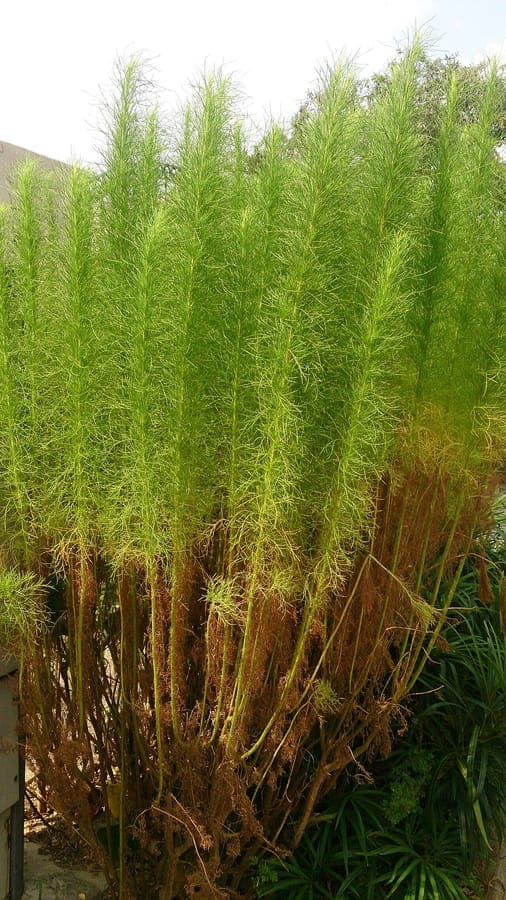
Mokkie / CC BY-SA 3.0, via Wikimedia Commons
Artemisia scoparia: complete guide
Artemisia scoparia
¿Quieres ver Artemisia scoparia: complete guide en tu jardín?
1 minuto, sin tarjeta de crédito
Overview
Artemisia scoparia, commonly known as redstem wormwood or broom mugwort, is a fascinating annual herb from Eurasia. This plant is renowned for its feathery, finely layered foliage and strong aromatic scent. In its natural habitat, it grows over a large geographic area from Europe to Asia.
Redstem wormwood is ideal for gardeners wanting to grow traditional herbs with minimal maintenance.
Appearance and Bloom
Artemisia scoparia grows as an upright annual plant that typically reaches 30-100 cm in height. The stems are reddish, which gives the plant its name. The leaves are very fine, feathery, and finely dissected, giving the plant a very light, feathery appearance.
In summer and fall, very small yellow-green flowers bloom in clusters. These flowers attract beneficial insects.
Ideal Location
Artemisia scoparia requires full sun to half shade. At least 5-6 hours of direct sunlight daily is ideal. It also grows in somewhat shadier locations but is less vigorous.
This plant grows best in warm locations.
Soil
Redstem wormwood grows in almost any soil type but prefers sandy, well-drained soils. A pH of 6.0-7.5 is ideal. It tolerates dry, poor soils well.
Heavy clay or waterlogged soils can hinder growth. Well-drained soils give the best results.
Diseño gratis
¿Quieres ver Artemisia scoparia: complete guide en tu jardín? Crea un diseño gratis ahora.
Watering
Artemisia scoparia is highly drought-tolerant once past the seedling stage. Water sparingly. The plant grows better in dry to moderately moist conditions.
Young seedlings need regular watering until well-rooted. Thereafter, minimal water is needed.
Pruning
Minimal pruning needed. Remove only very straggly stems or damaged parts. The plant grows naturally in a neat form.
Maintenance Calendar
Spring: sow directly in the garden after the last frost danger. Summer: water young plants regularly. Fall: harvest seed before they scatter. Winter: no maintenance.
The plant often self-seeds.
Winter Hardiness
Artemisia scoparia is not winter-hardy - it is an annual plant. It does not survive winter in temperate climates. However, in warm regions it can behave as a self-seeding annual.
Started seedlings can potentially be kept indoors.
Retailers
Netherlands: Intratuin, Gamma Germany: OBI, Hornbach France: Truffaut, Jardiland
Seeds and young plants are available year-round.
Final Thoughts
Artemisia scoparia is a fascinating annual herb with much traditional use. With its light foliage structure, aromatic scent, and low maintenance requirements, it adds much character to medicinal gardens and herb gardens. Sow and enjoy its delicate beauty. Visit gardenworld.app for more herb garden ideas.
¿Quieres ver Artemisia scoparia: complete guide en tu jardín? Crea un diseño gratis ahora.
Sube una foto, elige un estilo y obtén un diseño fotorrealista con lista de plantas en menos de un minuto.
Más de 10.000 jardines diseñados
Sin tarjeta de crédito


Plantas similares
Calendula stellata: complete guide
Calendula stellata
Complete guide to Calendula stellata, the star-flowered marigold from Sicily: location, soil, watering and companion planting tips.
Korean chrysanthemum: complete guide
Chrysanthemum x rubellum
Chrysanthemum x rubellum is a hardy autumn perennial with single pink to copper flowers from August to November. Care and combinations.
Helianthus divaricatus: complete guide
Helianthus divaricatus
Helianthus divaricatus is a North American woodland sunflower with yellow summer blooms, ideal for naturalistic borders and shady edges.