
Kurt Stüber [1] / CC BY-SA 3.0, via Wikimedia Commons
Arnica chamissonis: complete guide
Arnica chamissonis
¿Quieres ver Arnica chamissonis: complete guide en tu jardín?
1 minuto, sin tarjeta de crédito
Overview
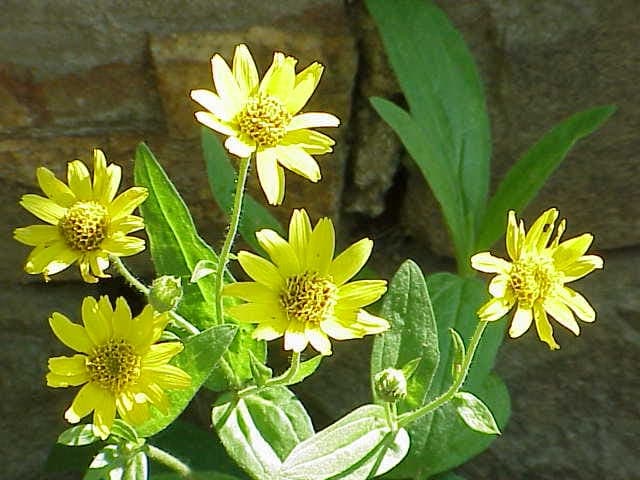
Arnica chamissonis, commonly known as Chamisso arnica or meadow arnica, is a robust perennial herb native to the mountainous western and northeastern regions of North America. This sturdy plant stands 30 to 60 centimeters tall and produces abundant bright yellow flower heads resembling small sunflowers. Blooming from June to August, it ranks among the most garden-friendly arnica species. Butterflies, native bees, and hoverflies consistently visit its golden blooms.
Appearance and Bloom
Arnica chamissonis forms dense rosette-based clumps with distinctive yellowish-green foliage. Leaves are lanceolate to linear, measuring 3 to 8 centimeters long and arranged alternately on sturdy, hairy stems. From June through August, the plant produces numerous yellow flower heads approximately 4 to 5 centimeters in diameter. These characteristic asteraceae blooms feature yellow disk flowers surrounded by golden ray florets. Following bloom, decorative seed heads develop, extending visual interest into autumn.
Ideal Location
This plant thrives in full sun with minimum six hours direct sunlight daily. Partial shade is tolerated but reduces flowering. Ensure well-drained, non-waterlogged positions. The plant resists wind and handles alpine conditions admirably. In moist garden settings, these arnicas flourish without significant trouble.
Soil
Arnica chamissonis prefers consistently moist yet well-draining soil. The species is undemanding regarding nutrients and performs well in humus-rich ground where moisture remains adequate. Neutral to slightly acidic pH (6.0 to 7.0) proves ideal. Performance suffers in compacted or heavy soils without amendment. Incorporate organic materials like peat or leaf mould.
Diseño gratis
¿Quieres ver Arnica chamissonis: complete guide en tu jardín? Crea un diseño gratis ahora.
Watering
During growth and bloom (spring-summer), maintain evenly moist soil conditions. This species tolerates and even prefers moisture abundance. Water regularly during dry spells. Autumn and winter allow somewhat drier periods, though waterlogging must be prevented.
Pruning
Remove faded flowers regularly to encourage continuous blooming through autumn. After frost (October), cut stems back to soil level. This approach promotes bushier growth the following season. Leave some dead material for insects and wildlife.
Maintenance Calendar
Spring (March-May): Apply organic fertilizer as growth begins. Check soil moisture after dry winters.
Summer (June-August): Remove spent blooms consistently. Ensure adequate watering. Observe abundant flowering.
Autumn (September-October): Blooming declines. Cut stems back after hard frost.
Winter (November-February): Plant remains dormant. Only monitor moisture conditions.
Winter Hardiness
Arnica chamissonis is extremely hardy, tolerating temperatures to -30 degrees Celsius and below. Perfect for North European gardens, it flourishes in temperate climates. In warmer zones, afternoon shade helps. No special frost protection needed.
Companion Plants
Arnica chamissonis pairs beautifully with other moisture-loving alpine plants:
- Alpine lavender (Lavandula angustifolia)
- Nepeta (catmint)
- Echinacea (coneflower)
- Rudbeckia (black-eyed susan)
- Achillea (yarrow in yellow or white)
- Succisa (devil's-bit scabious)
Ensure companion plantings share similar water requirements.
Final Thoughts
Arnica chamissonis is essential for the sunny moist border. Its golden blooms, extended flowering season, and ease of cultivation cannot be overstated. Traditional use for herbal teas and salves adds further value. Perfect for border plants that attract birds and pollinators. Find seeds and plants at specialty garden retailers.
Gardenworld.app helps you compose additional alpine plantings.
¿Quieres ver Arnica chamissonis: complete guide en tu jardín? Crea un diseño gratis ahora.
Sube una foto, elige un estilo y obtén un diseño fotorrealista con lista de plantas en menos de un minuto.
Más de 10.000 jardines diseñados
Sin tarjeta de crédito


Plantas similares
Calendula stellata: complete guide
Calendula stellata
Complete guide to Calendula stellata, the star-flowered marigold from Sicily: location, soil, watering and companion planting tips.
Korean chrysanthemum: complete guide
Chrysanthemum x rubellum
Chrysanthemum x rubellum is a hardy autumn perennial with single pink to copper flowers from August to November. Care and combinations.
Helianthus divaricatus: complete guide
Helianthus divaricatus
Helianthus divaricatus is a North American woodland sunflower with yellow summer blooms, ideal for naturalistic borders and shady edges.