
Stan Shebs / CC BY-SA 3.0, via Wikimedia Commons
Apocynum androsaemifolium: complete guide
Apocynum androsaemifolium
¿Quieres ver Apocynum androsaemifolium: complete guide en tu jardín?
1 minuto, sin tarjeta de crédito
Overview
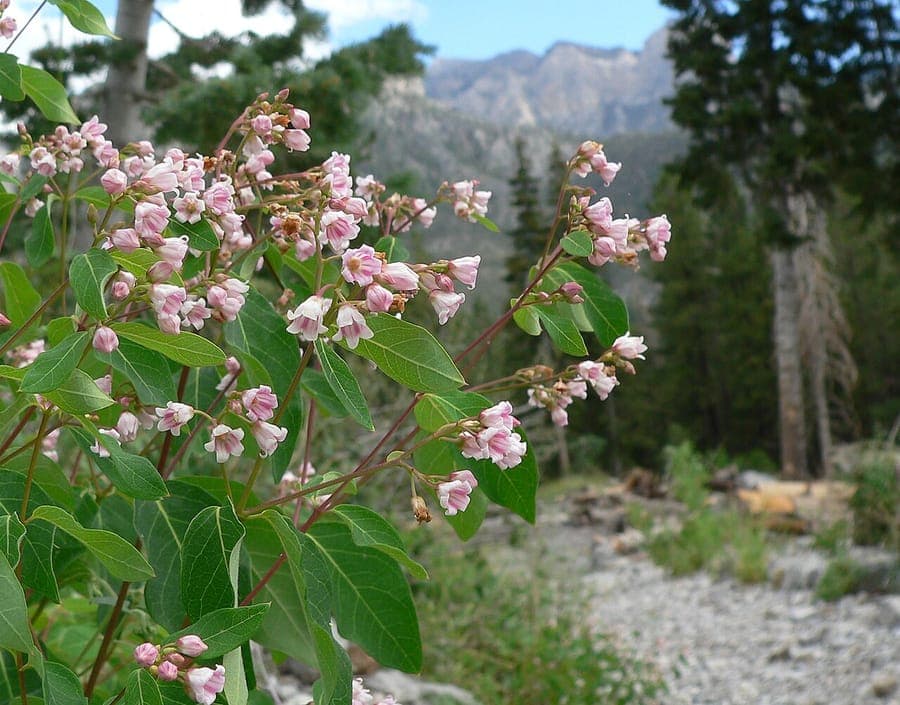
Apocynum androsaemifolium, commonly known as spreading dogbane or bitter-root, is a native North American perennial shrub from the Apocynaceae family. This fascinating toxic plant is recognized for its subtle pink flowers and its remarkable ability to spread via underground rhizomes. Despite its toxicity, the species has been used in traditional medicine, though modern applications remain limited due to its potency.
Appearance & Bloom
This low-growing shrub typically reaches 30 to 60 centimeters in height and spreads via underground rhizomes. The leaves are opposite and arranged, oval in shape, and approximately 5 to 8 centimeters long. During summer, from June through August, small pink to red flowers appear in loose clusters. Each flower measures roughly 6 millimeters across and possesses an elegant, delicate appearance. The fruits develop as long, thin seed pods that can reach 12 centimeters in length.
Ideal Location
Apocynum androsaemifolium thrives in full sun to partial shade conditions. In Southern Europe and warmer climates, partial shade is preferred to shield the plant from intense heat. The plant is robust and adaptable to various habitats, from dry mountain slopes to moist woodland edges. Ensure adequate air circulation to prevent fungal diseases.
Soil
This plant is not particularly demanding regarding soil composition. It grows well in well-draining soils, whether acidic or neutral in pH. The species tolerates poor soils reasonably well, making it ideal for wild gardens and disturbed areas. Ensure good drainage, as waterlogging can lead to root rot.
Watering
After establishment, Apocynum androsaemifolium is fairly drought-tolerant. Water regularly during the first growing season to develop strong roots. Once established, the plant requires minimal water, though consistent moisture promotes blooming. During extreme drought, additional water may be needed, but generally this species thrives in natural rainfall zones.
Diseño gratis
¿Quieres ver Apocynum androsaemifolium: complete guide en tu jardín? Crea un diseño gratis ahora.
Pruning
Pruning is not essential for this plant, but can be useful for controlling shape or removing dead material. Best prune in spring before new growth begins. Wear gloves as the plant is toxic and can cause skin irritation.
Maintenance Calendar
Spring: Remove dead wood and cut back to desired shape. Begin feeding as soil warms. Summer: Enjoy flowering and provide adequate watering during dry periods. Fall: Collect seeds if reproduction is desired, though self-seeding already occurs. Winter: Minimal maintenance needed; the plant withdraws.
Winter Hardiness
Apocynum androsaemifolium is highly winter-hardy and suitable for USDA zones 3-9. The plant dies back to ground level in cold winters but recovers each spring. In very cold climates, mulching around the base is beneficial. The plant can withstand temperatures down to -30 degrees Celsius.
Companion Plants
This plant combines well with other northern native species such as:
- Echinacea (coneflower)
- Rudbeckia (black-eyed Susan)
- Aster species
- Liatris (blazing star)
- Achillea (yarrow)
Closing
Apocynum androsaemifolium is a strong, robust plant that is valuable for wildflower gardens and ecologically responsible landscape designs. Despite its toxicity (which actually strengthens bird seed content), it deserves recognition for its adaptability and minimal care requirements. Whether you are an experienced gardener or just beginning, this North American plant can be an interesting addition to your garden palette, provided you use it safely and carefully handle its toxic parts.
For purchase options in English-speaking regions:
- Local native plant nurseries
- Regional wildflower seed suppliers
- Specialty online plant retailers
The success of garden design with gardenworld.app begins with understanding each plant's individuality. Explore the complete guide of gardenworld.app for personalized recommendations for your garden.
¿Quieres ver Apocynum androsaemifolium: complete guide en tu jardín? Crea un diseño gratis ahora.
Sube una foto, elige un estilo y obtén un diseño fotorrealista con lista de plantas en menos de un minuto.
Más de 10.000 jardines diseñados
Sin tarjeta de crédito


Plantas similares
Asclepias speciosa: complete guide
Asclepias speciosa
Showy milkweed: striking pink-white flowers, fragrant blooms. Essential monarch butterfly host plant.
Plumeria obtusa: complete guide
Plumeria obtusa
Discover the Singapore graveyard flower: an exotic evergreen with mesmerizing white blooms and exquisite fragrance. Expert cultivation, care, and maintenance tips.
Wrightia arborea: complete guide
Wrightia arborea
Wrightia arborea, known as doodhi, is an elegant tree from South Asia with delicate white flowers. Discover how to cultivate this exotic plant.