
T. Kebert / CC BY-SA 4.0, via Wikimedia Commons
Cow-parsley: complete guide
Anthriscus sylvestris
¿Quieres ver Cow-parsley: complete guide en tu jardín?
1 minuto, sin tarjeta de crédito
Overview
Cow-parsley (Anthriscus sylvestris) is a versatile biennial wildflower from the Apiaceae family. This elegant herb grows 60-120 cm tall and thrives in grasslands, hedge banks, and semi-shaded areas.
Cow-parsley is very common throughout Europe, Asia, and North Africa, often forming large populations along roadsides and in damp meadows. The aromatic foliage and white flowers make it a delicate addition to cottage gardens and wildflower meadows.
Appearance and Bloom Cycle
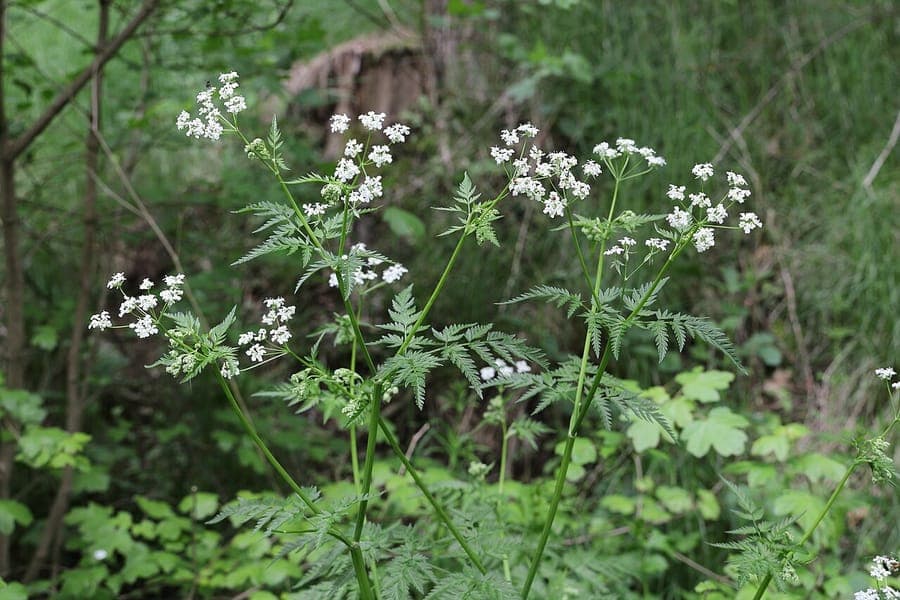
Cow-parsley forms finely divided, feathery leaves that feel exceptionally delicate to the touch. The foliage has a sweet, herbal scent and is very characteristic. During blooming, typically April to May, the plant produces fine, branched flower stems with numerous small white flowers gathered in large umbels.
The flower umbels are airy and light, giving the plant an exceptionally ethereal appearance. Seed formation happens quickly, and the plant reproduces easily through self-seeding.
Ideal Location
Cow-parsley thrives best in:
- Half shade to full sun (tolerates at least 2-3 hours direct sun daily)
- Moist to moderately moist locations
- Grassy or herbaceous soils
- Well-draining areas (no waterlogging)
The plant is highly adaptable and grows wherever soil texture and moisture are suitable. It prefers rustic, unkempt corners where other plants struggle.
Soil Requirements
Cow-parsley is not fussy with soil:
- Tolerates mixed, moderately moist soils
- Preference for nutrients, but grows on poor ground too
- pH between 5.5 and 7.5
- Accepts both loamy and sandy soils
The plant struggles on very dry or very wet soils. Mixing compost when sowing can help on very poor soils.
Watering
Once established, Cow-parsley needs minimal watering. Regular natural rainfall is usually sufficient. During dry seasons, watering helps, but is not essential for established plants.
Young seedlings must be kept more consistently moist. Avoid water on the foliage.
Diseño gratis
¿Quieres ver Cow-parsley: complete guide en tu jardín? Crea un diseño gratis ahora.
Pruning and Maintenance
Cow-parsley requires very little maintenance:
- Do not prune - let the plant grow naturally
- Allow flowers to bloom undisturbed
- Remove withered foliage for neatness (optional)
- Cut seed heads before seed dispersal if self-seeding is unwanted
The plant dies after seed set. Composted remains can simply be left in place for soil improvement.
Maintenance Calendar
December–February: Seed ready for direct outdoor sowing.
March–April: Sowing, plant flowers during this period.
April–May: Full bloom, pollinator food at peak.
May–June: Seed formation, seed drops and self-sows.
June–October: Self-sown seedlings grow out.
October–December: Plant dies back, seed awaits next spring.
Winter Hardiness
Cow-parsley is very frost-hardy to USDA zone 4 (-34°C). Frosty winters are not a problem. Foliage can even stay reasonably green through mild winters.
Young plants can suffer frost damage, but simply regrow.
Companion Plants
Cow-parsley grows well with:
- Other wildflowers: Comfrey, chicory, daisy
- Early spring bloomers: Trillium, Erythronium, Pulmonaria
- Bird-food plants: Evening primrose, black-eyed Susan, lovage
- Other Apiaceae: Fennel, wild carrot, water parsnip
Avoid plants that dislike semi-shade.
Closing Thoughts
Cow-parsley is a wonderful versatile wildflower that requires virtually no maintenance. The plant brings elegance, pollinator support, and bird food to any garden. Once established, self-seeding ensures years of enjoyment.
Tip: For more information on integrating wildflowers into your front yard, visit gardenworld.app. Upload your garden photo and receive a personalized wildflower garden design. Check out gardenworld.app for further inspiration.
Where to Buy
- UK: Native plant suppliers, wildflower seed companies
- USA: Local nurseries, online wildflower retailers
- Online: Specialty seed companies
¿Quieres ver Cow-parsley: complete guide en tu jardín? Crea un diseño gratis ahora.
Sube una foto, elige un estilo y obtén un diseño fotorrealista con lista de plantas en menos de un minuto.
Más de 10.000 jardines diseñados
Sin tarjeta de crédito


Plantas similares
Whorled carrot: complete guide
Daucus involucratus
Daucus involucratus is a Mediterranean umbellifer with white flower heads framed by lacy bracts. Growing this gravel garden gem.
Daucus muricatus: complete guide
Daucus muricatus
Daucus muricatus, the spiny wild carrot, grows wild on Mediterranean coasts. Discover sowing, June-July bloom, and wildflower meadow use.
Daucus pumilus: complete guide
Daucus pumilus
Daucus pumilus is a dwarf wild carrot relative with white lacy umbels, thriving on dunes and coastal rock in poor, fast-draining soil.