
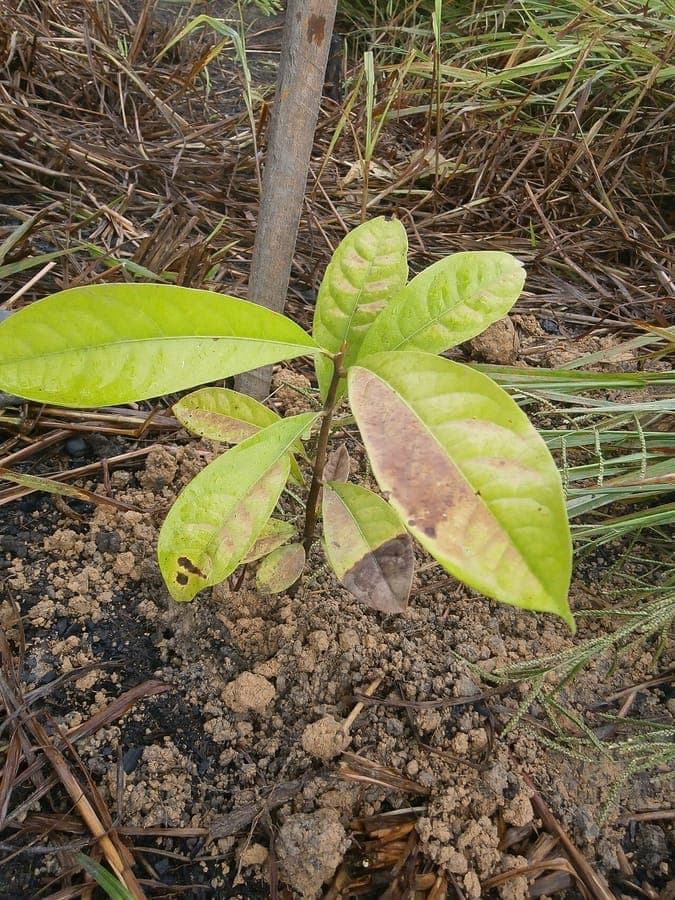
Christma chota Mendoza / CC BY-SA 4.0, via Wikimedia Commons
Aniba rosaeodora: complete guide
Aniba rosaeodora
¿Quieres ver Aniba rosaeodora: complete guide en tu jardín?
1 minuto, sin tarjeta de crédito
Overview
Aniba rosaeodora, better known as Brazilian rosewood or Pau-rosa, is a fascinating tropical tree from the Lauraceae family. This native tree originates from the Amazon region and is renowned for its aromatic properties and beautiful wood color. The plant has considerable value in both horticulture and traditional applications.
Appearance and bloom
Aniba rosaeodora is a medium-sized tree that can reach up to 25 meters in its natural habitat. In garden settings, it typically reaches more modest heights. The leaves are elliptical, glossy green with a fine aromatic fragrance when touched. The flowers are small and inconspicuous, yellowish to cream-colored, appearing in characteristic umbels. The wood has a characteristic rose fragrance, hence the name.
Ideal location
This tropical plant requires warmth and brightness. A very sunny location with at least 6 to 8 hours of direct sunlight daily is ideal. In cooler climates, it can be grown as a houseplant or in a heated greenhouse. Protect against strong wind and cold climate. The plant enjoys a warm, dry summer climate.
Soil
Aniba rosaeodora grows best in well-draining, organically rich soil. A potting soil mixture with additional perlite or sand improves drainage. A pH of 6.0 to 7.0 is ideal. In containers, a mix of garden soil with coco coir and perlite works very well.
Diseño gratis
¿Quieres ver Aniba rosaeodora: complete guide en tu jardín? Crea un diseño gratis ahora.
Watering
Although tropical in nature, Aniba rosaeodora tolerates dry conditions fairly well once established. During the growing season (spring and summer), water regularly but ensure water drains well. In the winter period, gradually reduce watering. Excessive water can cause root rot.
Pruning
Pruning can be done to maintain shape and encourage dense growth. This is best done in spring. Remove dead branches and shape the tree as desired. As a container plant, regular pruning may be necessary to keep growth under control.
Annual maintenance schedule
Winter: Plant at rest, minimal water. Spring: Begin regular watering and feeding. Growing season (May-September): Regular watering, monthly feeding. Autumn: Gradually reduce watering. Annual pest check.
Winter hardiness
Aniba rosaeodora is not winter-hardy and cannot tolerate frost periods. The plant requires indoor overwintering in temperate zones. A minimum temperature around 15 degrees Celsius is recommended. In tropical and subtropical zones, it can grow outdoors.
Companion plants
In a greenhouse setting, Aniba rosaeodora combines well with other tropical plants. The fragrance of the foliage is a bonus advantage. It can also look beautiful in planters with other heat-loving species.
In conclusion
Aniba rosaeodora is a unique tropical plant with added value from culture and aroma. With proper care, it can become a beautiful specimen. Gardenworld.app offers inspiration for growing exotic plants in your garden environment. Order your plants now and bring tropical atmosphere to your home.
¿Quieres ver Aniba rosaeodora: complete guide en tu jardín? Crea un diseño gratis ahora.
Sube una foto, elige un estilo y obtén un diseño fotorrealista con lista de plantas en menos de un minuto.
Más de 10.000 jardines diseñados
Sin tarjeta de crédito


Plantas similares
Ocotea floribunda: complete guide
Ocotea floribunda
All about Ocotea floribunda, a tropical laurel tree from Central and South America: growing in temperate climates, containers, pruning, and care in greenhouses.
Redbay: complete guide
Persea borbonia
A full guide to redbay (Persea borbonia), a fragrant evergreen tree native to the southeastern United States, related to avocado and laurel.
Swamp bay: complete guide
Persea palustris
A full guide to swamp bay (Persea palustris), an evergreen tree native to the wetlands and coastal swamps of the southeastern United States.