
Abhishek Jacob / CC BY-SA 3.0, via Wikimedia Commons
Cashew tree: complete guide
Anacardium occidentale
¿Quieres ver Cashew tree: complete guide en tu jardín?
1 minuto, sin tarjeta de crédito
Overview
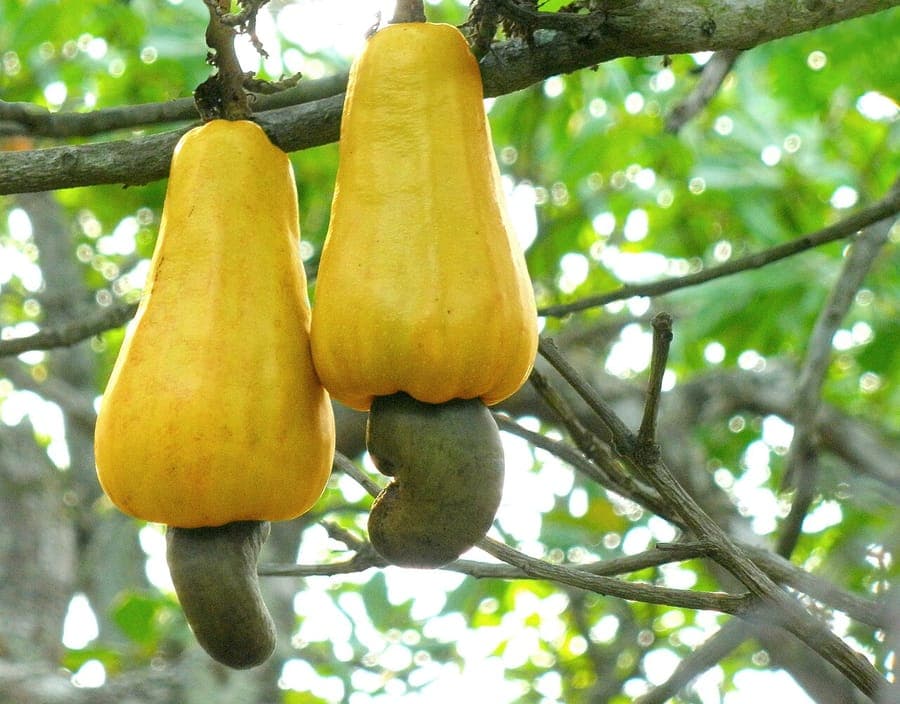
The cashew tree (Anacardium occidentale) is an impressive tropical tree that offers both delicious nuts and ornamental value. Originally from Brazil, this tree is now cultivated worldwide. The characteristic nut grows beneath a fleshy, pear-shaped fruit stalk that is itself edible.
Appearance & Bloom
The cashew tree grows into a regular crown with yellowish-brown foliage. The tree can reach 10-15 meters in height. The flowers are small and greenish-yellow, fragrant and attractive to pollinators. They appear in panicles and precede the characteristic fruits. The nuts have a heart-like shape and are gray to brownish in color.
Ideal Location
The cashew tree thrives best in a sunny, warm location. This tree needs at least 6-8 hours of direct sunlight daily for optimal growth and fruiting. Protection from strong winds is beneficial, as the tree may otherwise break. Do not plant near other large trees that would cast shade.
Soil
Prefer well-draining, sandy to loamy soil with pH between 5.5 and 7.5. The cashew tree tolerates poor soil reasonably well, but blooms better in somewhat more nutrient-rich soil. Well-incorporated compost or leaf mold mix increases water retention capacity. Ensure good drainage to prevent root rot.
Watering
Use moderate water for newly planted trees until established. Once established, the cashew tree is fairly drought-tolerant. During growing season, water when the top 5 cm of soil feels dry. Reduce watering in winter. Excessive water can cause root rot.
Diseño gratis
¿Quieres ver Cashew tree: complete guide en tu jardín? Crea un diseño gratis ahora.
Pruning
Pruning is usually unnecessary as the tree naturally takes on a nice shape. Only remove damaged, dead or crossing branches. Prune after harvest for the next year. Formation of a central stem with lateral branches promotes better fruiting.
Maintenance Calendar
February-March: Pruning and fertilizing May-June: Blooming and pollination August-October: Nut harvest November-December: Dormant season
Winter Hardiness
The cashew tree is only winter-hardy in tropical climates (USDA zones 10b-11). In temperate climates, it can be grown in containers and kept indoors during winter. The tree tolerates temperatures above 10 degrees Celsius best.
Companion Plants
The cashew tree grows well with other tropical fruit trees such as mango and papaya. Avoid planting with moisture-loving plants in direct proximity. Some farmers associate cashew with legumes for superior soil management.
Closing Remarks
The cashew tree is a fascinating addition to tropical and subtropical gardens. With support for sunlight, drainage and moderate watering, this tree will provide benefits for years. Consult local nurseries or horticultural specialists for specific cultivars and planting advice.
Visit gardenworld.app for more inspiration about exotic fruit trees! Visit gardenworld.app/en for more garden planning.
¿Quieres ver Cashew tree: complete guide en tu jardín? Crea un diseño gratis ahora.
Sube una foto, elige un estilo y obtén un diseño fotorrealista con lista de plantas en menos de un minuto.
Más de 10.000 jardines diseñados
Sin tarjeta de crédito


Plantas similares
Skunkbush sumac: complete guide
Rhus trilobata
Everything about Rhus trilobata: siting, soil, autumn colour, pruning, and how this tough ornamental shrub earns a place in any garden.
Winged sumac: complete guide
Rhus copallinum
Everything about Rhus copallinum, the winged sumac with spectacular autumn colour. Location, pruning and garden value in full detail.
Aromatic sumac: complete guide
Rhus aromatica
Full guide to aromatic sumac (Rhus aromatica): planting, soil, care, pruning and companion plants for dry, sunny gardens and slope stabilisation.