
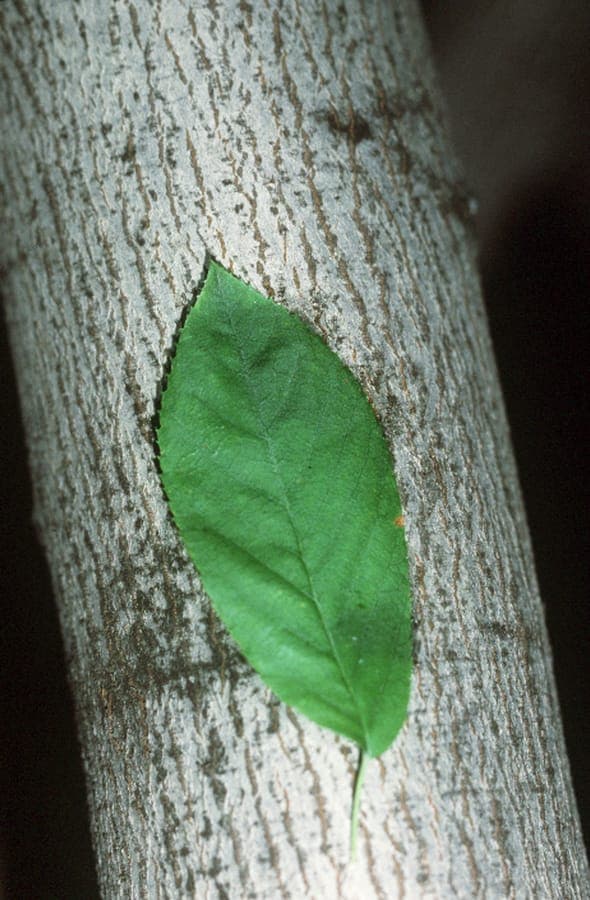
Robert H. Mohlenbrock / Public domain, via Wikimedia Commons
Smooth shadbush: complete guide
Amelanchier laevis
¿Quieres ver Smooth shadbush: complete guide en tu jardín?
1 minuto, sin tarjeta de crédito
Overview
Amelanchier laevis, commonly called smooth shadbush or Allegheny serviceberry, is an elegant North American deciduous shrub from the Rosaceae family. The plant gets its name from the smooth, hairless mature leaves that distinguish it from related species. It has a wide native range across eastern North America from Canada to North Carolina.
Appearance and Bloom
Smooth shadbush is particularly elegant with its finely textured foliage. Young emerging leaves display a beautiful bronze or reddish-purple hue that gradually transitions to green. Pure white flowers appear in dense upright racemes in May. Later in summer, dark red fruits mature to nearly black, providing excellent wildlife food. Autumn foliage is exceptional with brilliant orange, red, and yellow tones creating a stunning fall display.
Ideal Location
Plant smooth shadbush in full sun to light shade, ideally receiving 6+ hours of direct sunlight. The plant naturally grows in forest understories but is more floriferous in sunnier locations. Allow adequate space for development and provide protection from harsh winds.
Soil
Smooth shadbush performs best in well-draining, moisture-retentive soil with pH 4.8-7.0. This species tolerates acidic soils even better than A. canadensis. It grows in clay, sand, and gravelly soils provided drainage is adequate. Amend heavy clay with sand or grit.
Diseño gratis
¿Quieres ver Smooth shadbush: complete guide en tu jardín? Crea un diseño gratis ahora.
Watering
Water newly planted specimens regularly until established. Once established, water requirements are minimal. During dry summers, provide monthly watering unless receiving significant rainfall. Deep watering is preferable to frequent shallow watering.
Pruning
Pruning is generally unnecessary. Remove only dead or diseased wood. Thin dense interior branches to allow light penetration. The plant naturally develops an attractive form.
Maintenance Calendar
- April: Inspect for winter damage
- May: Enjoy pure white flowers
- June/July: Leave ripening berries for birds
- August: Occasional watering if dry
- October/November: Admire magnificent fall color
- December/January: Minimal maintenance required
Winter Hardiness
Smooth shadbush is extremely hardy, tolerating temperatures to -30C and below. Its wide native range indicates broad climate tolerance.
Companion Plants
Pair with spring-flowering bulbs, shade-tolerant groundcovers, and low shrubs. Plant in groups for greater impact or use as a specimen plant. Works well with evergreens for winter contrast.
Closing
Smooth shadbush combines elegance with toughness, ideal for modern gardens. Design your dream front yard at gardenworld.app today and transform your outdoor space into a beautiful sanctuary!
¿Quieres ver Smooth shadbush: complete guide en tu jardín? Crea un diseño gratis ahora.
Sube una foto, elige un estilo y obtén un diseño fotorrealista con lista de plantas en menos de un minuto.
Más de 10.000 jardines diseñados
Sin tarjeta de crédito


Plantas similares
Siberian crab apple: complete guide
Malus x robusta
Complete guide to the Siberian crab apple (Malus x robusta): location, soil, pruning, winter hardiness and the best companion plants for your garden.
Chinese flowering crabapple (Malus x spectabilis): complete guide
Malus x spectabilis
Meet the Chinese flowering crabapple (Malus x spectabilis): a classic spring bloomer with carmine buds and pink blossom.
Potentilla crassinervia: complete guide
Potentilla crassinervia
Potentilla crassinervia, the Corsican cinquefoil, grows wild on Corsica and Sardinia's peaks. Discover how to grow this hardy alpine rock garden gem.