
Kurt Stüber [1] / CC BY-SA 3.0, via Wikimedia Commons
Grain amaranth: complete guide
Amaranthus cruentus
¿Quieres ver Grain amaranth: complete guide en tu jardín?
1 minuto, sin tarjeta de crédito
Overview
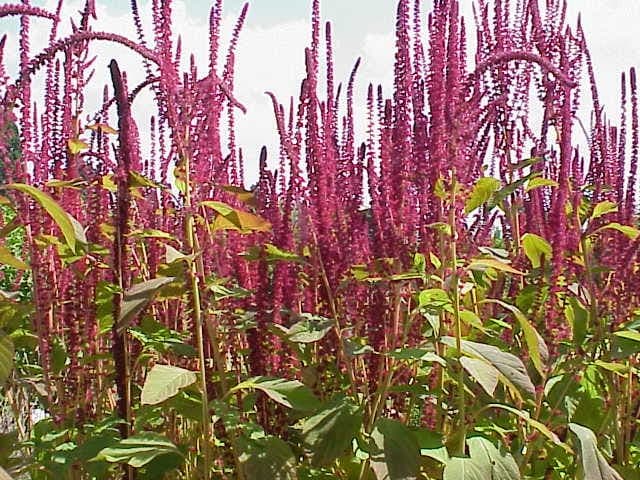
Grain amaranth is a striking annual plant from central America through Nicaragua. With its 80-100 cm height and dramatic blood-red flower plumes, this plant is a true eyecatcher in any garden. It's grown for two reasons: the spectacular flowers for decoration and edible seeds for consumption.
This plant is much larger than Mat amaranth and makes a strong statement in borders. On gardenworld.app, see how this plant fits perfectly into modern garden designs.
Appearance & bloom cycle
Grain amaranth grows upright to 100 cm with broad, dark green leaves sometimes tinted purple. The true beauty lies in the flower plumes: dense, either drooping or upright, in deep blood-red. These plumes appear from July through October and remain attractive for months.
The foliage is sometimes purple-tinged, especially in full sun. After blooming, the plant produces thousands of tiny seeds in chestnut-brown capsules. These seeds are nutritious and can be roasted and eaten.
Ideal location
Grain amaranth demands full sun, at least 6-8 hours daily. While the plant grows in shade, it blooms far less spectacularly and won't reach full height. Choose a sheltered spot, as the plant can lodge in strong wind.
The plant thrives against south-facing walls where extra warmth develops. On warm sites, flowers intensify in color.
Soil requirements
Grain amaranth needs rich, well-draining soil. Add compost or well-rotted manure before planting. A pH between 6.0 and 7.5 works well. Heavy clay can limit aeration; add sand or compost for structure improvement.
The plant grows faster and larger on rich soil than on poor ground.
Diseño gratis
¿Quieres ver Grain amaranth: complete guide en tu jardín? Crea un diseño gratis ahora.
Watering
Grain amaranth is thirsty in heat. Water regularly, especially the first 4-6 weeks after planting. Once established, the plant tolerates moderate dryness but flowers better if soil doesn't dry out completely.
In drought, watering decreases and growth slows. Mulching around the plant helps moisture retention.
Pruning & maintenance
Pruning is not recommended as it damages flower development. Let the plant grow to its natural form. Support very tall specimens with bamboo stakes in windy areas.
The plant is virtually pest-free and requires no fertilizing, though one feeding in June promotes growth.
Maintenance calendar
April-May: Sow under glass or buy seedlings. Plant outdoors after frost at 30 cm spacing. June-July: Water regularly. First flower plumes appear by late July. August-October: Plant blooms profusely. Seeds ripen as flowers fade. October-November: Harvest seeds as plumes turn brownish. Let plant die naturally.
Winter hardiness
Grain amaranth is annual and dies at first frost. This is normal. For next season, save seeds (let plumes dry and thresh) or buy fresh seed. Seeds store well in cool, dry places.
The plant thrives in USDA zones 3-11, though best in zone 6 and warmer.
Companion plants
Grain amaranth combines well with:
- Silver-leaved plants like Artemisia
- Yellow-foliaged plants like Coleus
- Tall Salvia varieties
- Ornamental grasses like Panicum
The red flowers create dramatic contrast against green foliage. Plant in groups of 3-5 for maximum impact.
Closing
Grain amaranth transforms your garden into a tropical landscape with its spectacular flower plumes. On gardenworld.app, discover how to integrate this impressive plant into your design for maximum visual impact throughout summer and fall.
¿Quieres ver Grain amaranth: complete guide en tu jardín? Crea un diseño gratis ahora.
Sube una foto, elige un estilo y obtén un diseño fotorrealista con lista de plantas en menos de un minuto.
Más de 10.000 jardines diseñados
Sin tarjeta de crédito


Plantas similares
Bassia laniflora (woolly summer-cypress): complete guide
Bassia laniflora
Full guide to Bassia laniflora: origin, appearance, ideal location, soil, watering and care for this drought-tolerant annual.
Suaeda spicata: complete guide
Suaeda spicata
Everything about Suaeda spicata (spiked seablite): a rare salt-tolerant coastal succulent from the western Mediterranean and Macaronesia.
California amaranth: complete guide
Amaranthus californicus
Full guide to California amaranth (Amaranthus californicus): growing tips, ideal location, soil needs, watering, and garden design ideas.