
Hectonichus / CC BY-SA 3.0, via Wikimedia Commons
Adenostyles alliariae: complete guide
Adenostyles alliariae
¿Quieres ver Adenostyles alliariae: complete guide en tu jardín?
1 minuto, sin tarjeta de crédito
Overview
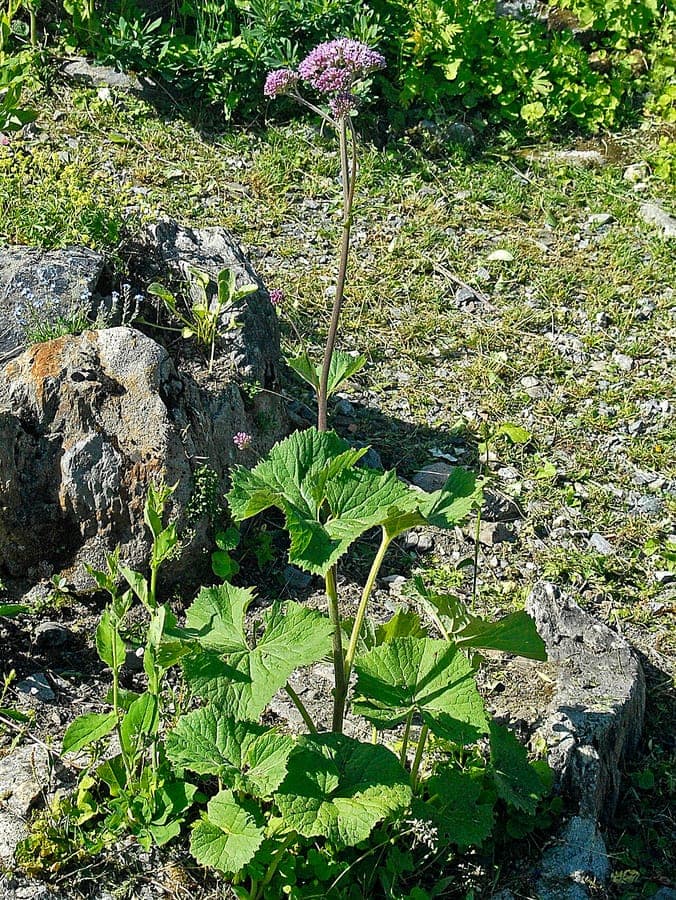
Adenostyles alliariae, commonly known as the grey alpendost, is an elegant alpine perennial from the Asteraceae family, celebrated for its charming purple flowers and robust growth in European mountain regions. This shade-tolerant plant flowers from July to August and thrives in moist, lime-rich soils. Native to the Alps and extending eastward to the Turkish-Syrian mountains, this plant typically reaches about 60 centimetres in height. The species is renowned for exceptional cold tolerance and remarkable ability to utilize moist groundwater.
Appearance and bloom
Adenostyles alliariae displays elegant, large leaves resembling those of wild garlic (Allium). The leaf surfaces are finely hairy, creating a characteristic grey-green appearance. Flowers form in loose, dark purple clusters at the stem tips, with each flower head comprising numerous tiny florets creating an impressive floral display. The plant is particularly striking during July and August when flowering reaches its peak, transforming the alpine landscape with purple hues.
Ideal location
This alpine beauty thrives in partial to full shade, though it tolerates filtered sunlight well. Positioning beneath tree canopies with dappled light proves ideal. The plant works exceptionally well in natural mountain gardens, moist borders, and as woodland edges. It can also be used in groups along water channels or in alpine rock gardens where moisture levels remain elevated throughout the growing season.
Soil
The ideal growing medium is lime-rich, consistently moist, and well-draining. A mixture of garden soil, peat, and grit provides optimal conditions. This plant prefers neutral to slightly acidic soil with pH between 7.0 and 7.5. Ensure adequate drainage to prevent root rot while maintaining sufficient moisture retention. Adding compost in spring replenishes nutrients and improves soil structure for vigorous growth.
Watering
Adenostyles alliariae appreciates consistently moist soil, particularly during the growing season from May through September. Water regularly, especially during dry spells, particularly for newly established plants in their first season. Winter watering can be reduced, but ensure soil never completely dries out. Applying a mulch layer of leaf mould conserves soil moisture and maintains stable temperatures around the roots and crown.
Diseño gratis
¿Quieres ver Adenostyles alliariae: complete guide en tu jardín? Crea un diseño gratis ahora.
Pruning
This plant requires minimal maintenance. Remove faded flowers in early autumn to limit self-seeding and maintain a neater appearance. Cut back aged stems following winter dormancy. If the plant becomes overgrown, careful division in spring proves effective. The species naturally develops a neat mounding form and needs little formal pruning to maintain its attractive shape throughout the year.
Maintenance calendar
May to June: Monitor moisture levels and apply mulch as maintenance. July to August: Enjoy the flowering display, remove spent flowers if desired. September to October: Clear dying foliage, add compost. November to April: Minimal maintenance needed, periodically check for extreme dryness. Winter frost requires ensuring water drains freely around root systems to prevent ice damage.
Winter hardiness
Adenostyles alliariae is extremely winter hardy, tolerating temperatures down to -20 degrees Celsius. As an alpine plant, it is naturally adapted to harsh mountain winters featuring snow and hard frosts. However, ensure soil is adequately moist before frost arrives, as dry roots prove more susceptible to frost damage. In exceptional cold spells, covering with dry leaves provides extra protection for vulnerable crowns.
Companion plants
Adenostyles alliariae combines beautifully with other moisture-loving alpine plants such as Arnica montana, Veratrum album, and Geranium sylvaticum, creating natural alpine meadow landscapes of significant visual appeal. In shaded borders, it pairs wonderfully with fern varieties and Hosta species. These combinations also attract butterflies and other beneficial garden visitors throughout summer.
Final advice
Adenostyles alliariae represents an excellent choice for gardeners who can provide moist, mountain-like conditions. This resilient plant requires minimal maintenance once established and provides years of garden enjoyment. Available at major garden retailers across Europe. Discover more plant varieties on gardenworld.app and plan your garden design today. Plant this charming alpine specimen alongside similar species to create an authentic alpine atmosphere in your garden!
¿Quieres ver Adenostyles alliariae: complete guide en tu jardín? Crea un diseño gratis ahora.
Sube una foto, elige un estilo y obtén un diseño fotorrealista con lista de plantas en menos de un minuto.
Más de 10.000 jardines diseñados
Sin tarjeta de crédito


Plantas similares
Calendula stellata: complete guide
Calendula stellata
Complete guide to Calendula stellata, the star-flowered marigold from Sicily: location, soil, watering and companion planting tips.
Korean chrysanthemum: complete guide
Chrysanthemum x rubellum
Chrysanthemum x rubellum is a hardy autumn perennial with single pink to copper flowers from August to November. Care and combinations.
Helianthus divaricatus: complete guide
Helianthus divaricatus
Helianthus divaricatus is a North American woodland sunflower with yellow summer blooms, ideal for naturalistic borders and shady edges.