
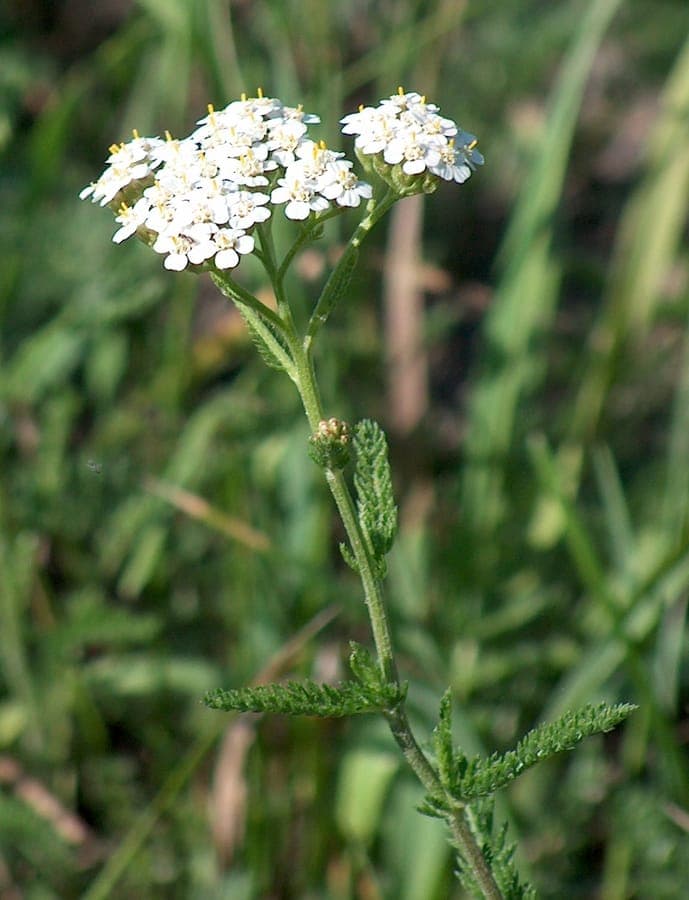
Wikimedia Commons / CC BY-SA 3.0, via Wikimedia Commons
Achillea setacea: complete guide
Achillea setacea
¿Quieres ver Achillea setacea: complete guide en tu jardín?
1 minuto, sin tarjeta de crédito
Overview
Achillea setacea, commonly known as Bristly yarrow, is an elegant and refined perennial from the Asteraceae family. Native to Europe through Korea and the Arabian Peninsula, this delicate plant features finely divided, feathery foliage and soft pink blooms. It is exceptionally suited for gardeners seeking a low-maintenance plant that tolerates drought exceptionally well.
Growing to approximately 30-60 centimeters in height, Achillea setacea forms compact, attractive clusters. This makes it ideal for borders, rock gardens, and contemporary garden designs. Its fine texture brings elegance and movement to any garden plan, especially when planted in generous drifts.
Appearance and bloom
Achillea setacea is distinguished by its extremely finely divided foliage, which appears almost filigree in structure. The leaves are triangular in outline and feature a soft, velvety surface. Their delicate green color provides a light, airy quality to the plant.
The blooming period extends from June through September, with attractive salmon-pink to pink flowers arranged in small, dense clusters. These flowers attract numerous butterflies and bees, making it an excellent choice for pollinator-friendly gardens. The blooms remain attractive for extended periods and can be dried for winter decoration.
Ideal location
Achillea setacea thrives in full sun, requiring at least six hours of direct sunlight daily. The plant is flexible and tolerates light shade, though this may reduce flowering. Plant it in locations with good air circulation to prevent fungal diseases.
This species is remarkably tolerant of various weather conditions, growing equally well in coastal or mountainous regions and tolerating wind without difficulty. This makes it exceptionally suitable for exposed garden locations where other plants struggle.
Soil requirements
Achillea setacea is not finicky regarding soil type and grows in virtually all soil conditions. However, it prefers well-draining soil. Heavy clay should be amended with sand or potting mix to prevent waterlogging. While the plant tolerates fertile soil, it performs better in poor to moderately fertile soil.
Soil pH should be neutral to slightly acidic, ideally between 6.0 and 7.5. Because this species tolerates drought exceptionally well, it is perfect for water-conscious gardens where conserving resources is important.
Watering
Once established, Achillea setacea tolerates drought remarkably well. During the first growing season, water regularly until the plant is well-established, typically two to three times weekly. After the first summer, the plant can survive with minimal supplemental watering.
Watering should be minimal in the mature plant stage. Excessive regular watering can lead to disease and unwanted lush growth. During very dry periods, occasional watering may be necessary, particularly if foliage begins to shrivel. In rainy seasons, no additional water is required.
Diseño gratis
¿Quieres ver Achillea setacea: complete guide en tu jardín? Crea un diseño gratis ahora.
Pruning
Deadhead spent flowers regularly to encourage continued blooming and maintain neat plant form. This can be done throughout the entire blooming period from June through September. Remove dead foliage and stems in early spring around March.
Achillea setacea responds well to more vigorous pruning in early spring. This promotes more flowers and a denser growth habit. If the plant becomes too large, it can be cut back considerably without harm.
Maintenance calendar
The maintenance calendar for Achillea setacea is remarkably simple:
March: Clean plant of dead material, prune if necessary. May-June: Plant comes into bloom, regular deadheading. July-August: Continuous blooming, minimal care required. September-October: Blooming ends, plant begins to decline. November-February: Winter dormancy, no maintenance needed.
Winter hardiness
Achillea setacea is extremely winter hardy, tolerating temperatures down to -25 degrees Celsius. This makes it suitable for nearly all Dutch and German climate zones. The plant is semi-evergreen and does not completely disappear underground. During severe winters, the top growth may freeze, but the roots will survive and the plant will recover in spring.
In France and Belgium, the plant grows effortlessly. No special winter protection is required except in exceptional circumstances.
Companion plants
Achillea setacea combines beautifully with other drought-tolerant plants and herbs. Plant it with lavender (Lavandula) for a French Provencal effect. Sunflowers, roses, and salvias also create stunning combinations.
Combine also with grass-like structural plants such as Stipa or Miscanthus. These create textural and color contrast. For a modern design, plant with grey-green foliage plants like Artemisia and Senecio.
Closing
Achillea setacea is a refined, low-maintenance plant that fits perfectly in both modern and traditional gardens. Its drought tolerance, long blooming period, and fine texture make it a valuable addition to any front garden. Purchase your specimens from reputable garden centres and consult gardenworld.app for more design tips. This plant demands minimal maintenance while offering maximum visual pleasure. Combine it with other drought-tolerant plantings for a sustainable, water-saving garden that bursts with colour and life throughout summer.
For more information about garden design and plant selection, visit gardenworld.app.
¿Quieres ver Achillea setacea: complete guide en tu jardín? Crea un diseño gratis ahora.
Sube una foto, elige un estilo y obtén un diseño fotorrealista con lista de plantas en menos de un minuto.
Más de 10.000 jardines diseñados
Sin tarjeta de crédito


Plantas similares
Calendula stellata: complete guide
Calendula stellata
Complete guide to Calendula stellata, the star-flowered marigold from Sicily: location, soil, watering and companion planting tips.
Korean chrysanthemum: complete guide
Chrysanthemum x rubellum
Chrysanthemum x rubellum is a hardy autumn perennial with single pink to copper flowers from August to November. Care and combinations.
Helianthus divaricatus: complete guide
Helianthus divaricatus
Helianthus divaricatus is a North American woodland sunflower with yellow summer blooms, ideal for naturalistic borders and shady edges.