
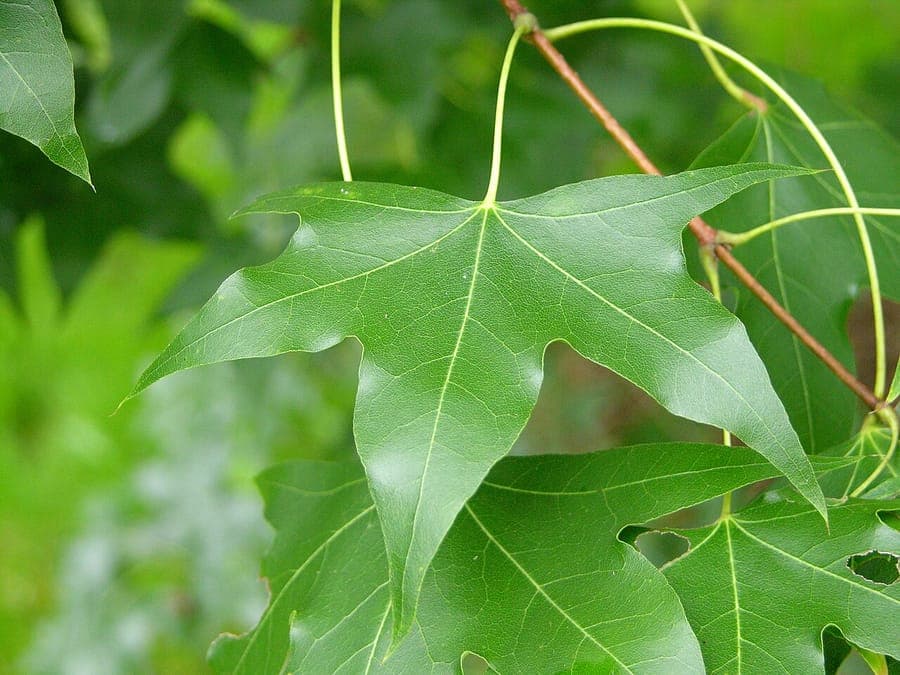
Photo (c)2006 Derek Ramsey (Ram-Man) / CC BY-SA 4.0, via Wikimedia Commons
Acer truncatum: complete guide
Acer truncatum
¿Quieres ver Acer truncatum: complete guide en tu jardín?
1 minuto, sin tarjeta de crédito
Overview
Acer truncatum, commonly called the Shantung maple, is an elegant small deciduous tree native to northern China, Korea, and Japan. This charming Asian maple typically reaches 6-9 meters in height, forming a compact, rounded crown. The tree is prized for its distinctive, deeply palmately-lobed foliage and spectacular autumn colors in shades of orange, yellow, and red. Its manageable size makes it perfect for residential gardens.
Appearance and bloom
Acer truncatum distinguishes itself through characteristic, truncated palmate leaves with 5-7 lobes. Leaves measure 5-10 centimeters wide with sharp points. Tiny, inconspicuous reddish flowers emerge in spring, followed by distinctive winged seeds (samaras). The bark is smooth and grayish-brown initially, becoming rougher with age.
Ideal location
Plant Acer truncatum in full sun to partial shade, ideally with 4-6 hours of direct sunlight. The tree thrives in sheltered locations away from strong winds. Provide adequate space for optimal canopy development. This Asian maple adapts well to cooler climates but appreciates protection from severe frost.
Soil
Acer truncatum demands moist, well-draining soil with pH between 6.0 and 7.5. Mixtures of garden soil, compost, and peat moss work well. Avoid heavy clay soils and waterlogged conditions. Amend planting holes with peat and compost to improve soil biology and moisture retention.
Diseño gratis
¿Quieres ver Acer truncatum: complete guide en tu jardín? Crea un diseño gratis ahora.
Watering
Water newly planted trees regularly during the first year to establish strong root systems. Mature trees are relatively drought-tolerant but thrive with moderate moisture. Water deeply and infrequently, two to three times weekly during dry periods. Apply mulch around the base to improve moisture retention.
Pruning
Acer truncatum requires minimal pruning. Remove only dead, diseased, or crossing branches. The best time to prune is during winter dormancy or early spring. Avoid heavy pruning, which can weaken the tree. Pruning wounds heal slowly, so minimize cuts and be precise.
Maintenance calendar
Spring: Check for new growth and remove any dead branches. Summer: Water regularly and monitor for pests. Fall: Enjoy spectacular autumn foliage. Winter: No maintenance required; prune early spring if needed.
Winter hardiness
Acer truncatum is hardy to approximately -20 degrees Celsius in established specimens. Young trees appreciate frost protection during the first year. Mulching around the base helps insulate roots during harsh winters.
Companion plants
Combine Acer truncatum with other small to medium trees such as ilex, cornus, or prunus. Underplanting with shade-tolerant shrubs and groundcovers creates interesting layered garden landscapes.
Closing thoughts
Acer truncatum provides elegant design and seasonal interest in medium-sized gardens. Its compact habit, handsome foliage, and brilliant fall show make it a valuable addition to the landscape. Visit gardenworld.app for more tree recommendations. In the UK, check specialist nurseries for quality specimens.
¿Quieres ver Acer truncatum: complete guide en tu jardín? Crea un diseño gratis ahora.
Sube una foto, elige un estilo y obtén un diseño fotorrealista con lista de plantas en menos de un minuto.
Más de 10.000 jardines diseñados
Sin tarjeta de crédito


Plantas similares
Acer pycnanthum: complete guide
Acer pycnanthum
Acer pycnanthum, the Japanese swamp maple, is a fast-growing tree with early red flowers and brilliant autumn color, ideal for damp garden settings.
Freeman maple: complete guide
Acer × freemanii
Everything about the Freeman maple (Acer x freemanii): a fast-growing shade tree with spectacular autumn colour for large gardens.
Wild ackee: complete guide
Cupania americana
A comprehensive guide to Cupania americana, a tropical tree from the Sapindaceae family with conspicuous white flowers and brown fruits, native to tropical America.