
TuanUt / CC BY-SA 3.0, via Wikimedia Commons
Acer stachyophyllum: complete guide
Acer stachyophyllum
¿Quieres ver Acer stachyophyllum: complete guide en tu jardín?
1 minuto, sin tarjeta de crédito
Overview
Acer stachyophyllum, known as birch-leafed maple or hairy-leaf maple, is a rarity from the Himalayan mountains extending into China. This species is less common than many other maples but deserves far more attention. The tree is characterized by its fine, birch-like foliage and elegant form.
This species is ideal for experienced gardeners seeking something unique. The mountain maple combines visual elegance with adaptability to various garden conditions.
Appearance and bloom
Acer stachyophyllum grows as an upright tree to moderate height, usually 5 to 8 metres. The leaves are the most striking feature - finer and more delicate than many other maples, with birch-like texture. The leaves have a distinctive hairy appearance especially on the lower surfaces.
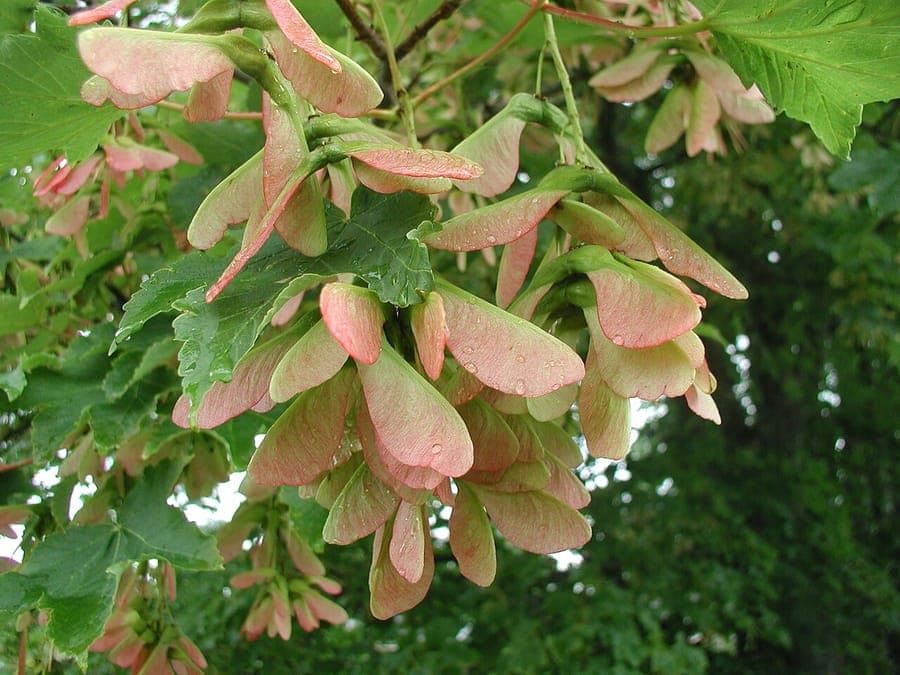
In spring, discrete flowers, typically green to red-tinted, appear in hanging clusters. The flowers are not showy but add subtle interest. Fruit set is moderate, with small red to brown samara seeds.
Foliage undergoes fine colour changes throughout the season - green in spring and summer, yellow to brown in autumn.
Ideal location
Acer stachyophyllum grows best in cool, mountainous environments with adequate shade and moisture. In gardens it works well in dappled shade under larger trees. The tree also tolerates partial sun in cooler climates.
This species fits well in Japanese gardens, rock gardens or in a mountain landscape. The fine architecture makes it suitable as a specimen or as part of mixed tree underplantings.
Soil
Acer stachyophyllum grows best on well-draining, moist soils. Prefers neutral to acidic soil composition (pH 5.5-7.0). The tree tolerates various soil types as long as drainage is good and moisture is maintained.
Add mature compost or leaf mould for improved water-holding capacity. This tree does not tolerate extremely dry soils.
Diseño gratis
¿Quieres ver Acer stachyophyllum: complete guide en tu jardín? Crea un diseño gratis ahora.
Watering
Acer stachyophyllum requires regular water, especially during growing periods and warm seasons. Water consistently until the tree establishes good root system. Mulch around the base helps retain moisture.
Older trees have more drought tolerance than young specimens but thrive with regular moisture. In very dry climates supplemental irrigation is essential.
Pruning
The birch-leafed maple requires minimal pruning. Remove dead or damaged branches in late winter before sap starts flowing. The natural form is elegant; heavy pruning is not needed.
Training can be done carefully if you prefer more compact form, but this usually disrupts the inherent beauty.
Maintenance calendar
Spring: Water regularly, remove winter damage, enjoy new foliage. Summer: Monitor moisture levels, prevent disease. Autumn: Expect autumn colour change, no pruning. Winter: Minimal maintenance, protection in very cold periods.
Winter hardiness
Acer stachyophyllum is moderately hardy, tolerating temperatures to approximately -15°C. The tree thrives best in temperate to cool climates. In areas with extremely cold winters, protective measures can help prevent frost damage.
The tree is more susceptible to prolonged periods of extreme drought than to cold.
Companion plants
The birch-leafed maple combines well with other Himalayan and Asian species such as Acer palmatum, Stewartia monadelpha and various ferns. In the understory, shade-loving groundcovers and fine-leafed plants work well.
Group with other mountain trees for a cohesive underplanting.
Closing
Acer stachyophyllum is an excellent choice for gardeners seeking elegance and refinement. This mountain maple offers year-round visual interest via its fine foliage and delicate structure. With proper placement, good drainage and regular watering, this rare specimen grows into a true garden jewel. Discover more information on gardenworld.app. Visit gardenworld.app for further inspiration.
¿Quieres ver Acer stachyophyllum: complete guide en tu jardín? Crea un diseño gratis ahora.
Sube una foto, elige un estilo y obtén un diseño fotorrealista con lista de plantas en menos de un minuto.
Más de 10.000 jardines diseñados
Sin tarjeta de crédito


Plantas similares
Acer pycnanthum: complete guide
Acer pycnanthum
Acer pycnanthum, the Japanese swamp maple, is a fast-growing tree with early red flowers and brilliant autumn color, ideal for damp garden settings.
Freeman maple: complete guide
Acer × freemanii
Everything about the Freeman maple (Acer x freemanii): a fast-growing shade tree with spectacular autumn colour for large gardens.
Wild ackee: complete guide
Cupania americana
A comprehensive guide to Cupania americana, a tropical tree from the Sapindaceae family with conspicuous white flowers and brown fruits, native to tropical America.