
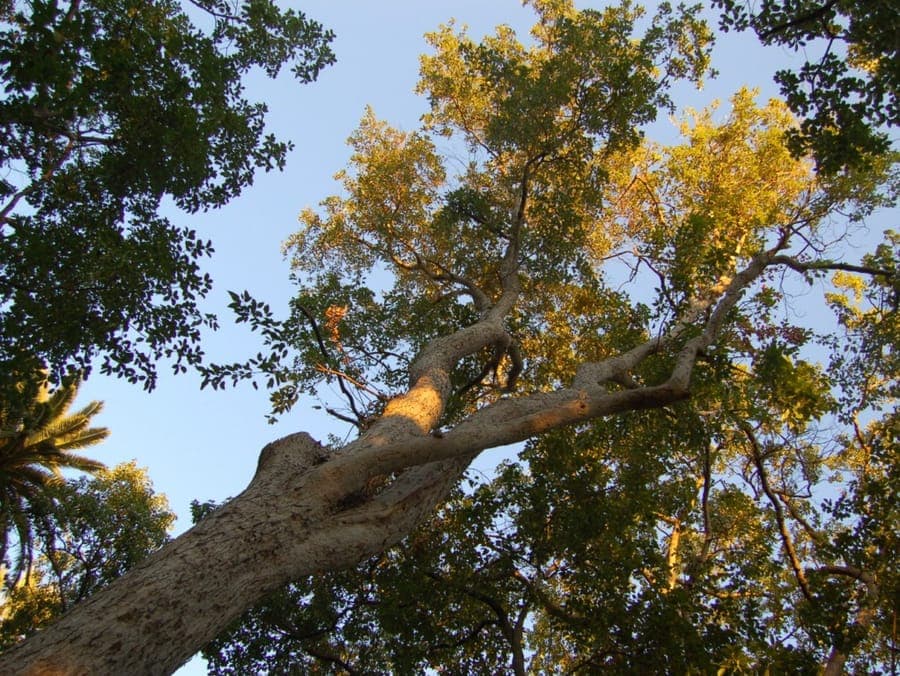
Hectonichus / CC BY-SA 3.0, via Wikimedia Commons
Flying mothtree: complete guide
Acer oblongum
¿Quieres ver Flying mothtree: complete guide en tu jardín?
1 minuto, sin tarjeta de crédito
Overview
Acer oblongum, commonly known as the Flying mothtree or Himalayan maple, is a medium to large deciduous tree native to northeastern Pakistan and extensive areas of China, Myanmar, and Indo-China. This tree is valued for its elegant growth habit and distinctive, oblong leaves that set it apart from many other maple species. Reaching maximum heights of 15 to 25 meters, it forms a graceful canopy and offers year-round visual interest. The tree flowers in spring with small yellow-green blooms that later develop into characteristic maple winged fruits (samaras).
Appearance and bloom
The Flying mothtree gets its name from its distinctive oblong (hence the scientific name oblongum) leaves that are noticeably narrower than those of many other maple species. Leaves are dark green, approximately 8 to 15 cm long, with fine serration and prominent venation. In autumn, foliage transitions to yellow-green and orange-yellow, providing pleasant seasonal color, though not as dramatic as some relatives. The bark is smooth and greenish when young, becoming grey and slightly fissured with age. Flowers emerge in May to June in showy drooping clusters (racemes), followed by characteristic paired winged seeds that spiral dramatically as they fall. The fruit set is prolific and adds to the tree's appeal.
Ideal location
This tree thrives best in full sun to light shade. While it tolerates partial shade, it will grow more vigorously and display better autumn colors in full sunlight. A sheltered position is desirable, as heavy winds can cause breakage of slender branches. The tree tolerates air pollution well and performs adequately in urban environments. Avoid planting directly against walls or structures, as the tree requires ample space for natural crown development. A location with good air circulation reduces disease pressure.
Soil
Acer oblongum is not particularly fussy about soil composition but performs best in deep, well-draining, fertile soil. A pH between 5.5 and 7.5 is ideal. Avoid heavy clay soils without improvement, as these can lead to poor root health and waterlogging. Amend planting areas with composted bark or garden compost to improve soil structure and water retention. Once established, the tree is fairly drought-tolerant, but regular watering during its first growing season is essential, particularly in dry summers.
Watering
In the first two years after planting, water regularly, especially during dry summers. Keep the soil evenly moist but not waterlogged. An excessively high water table can cause root rot. Once well-established (after 3 to 4 years), the tree is fairly drought-tolerant and requires supplemental water only during severe drought. Mulching with 5 to 8 cm of organic material around the base aids moisture retention and moderates soil temperature.
Diseño gratis
¿Quieres ver Flying mothtree: complete guide en tu jardín? Crea un diseño gratis ahora.
Pruning
Acer oblongum requires little pruning if given the opportunity to develop its natural form. Remove dead, damaged, or crossing branches in late winter (January-February). Avoid heavy pruning cuts; wounds heal slowly and may be susceptible to fungal infection. If refining the silhouette, prune only lightly along the margins. Large wounds close poorly, so minimize this practice. Young trees may receive selective pruning to establish a strong branch structure.
Maintenance calendar
March-April: Inspect for winter damage, remove dead wood and pruned twigs. Begin feeding once soil has warmed. May-June: Monitor for pest infestations, particularly aphids and scale insects. Ensure adequate moisture during dry spells. July-August: Replenish mulch around the tree base, watch for diseases or scorched leaf tips. September-October: Enjoy autumn color. Avoid feeding, as this stimulates tender new growth. November-February: Dormant season. After heavy frost-laden rain, gently remove ice coating to prevent branch breakage.
Winter hardiness
Acer oblongum is hardy in USDA zones 6 to 9, tolerating temperatures down to approximately -23 degrees Celsius. It performs well across much of Europe, though in harsher continental climates some protection may be necessary. Young trees benefit from windscreen or wrapping against winter winds. In severe winters, branch dieback may occur, but the tree typically recovers well. Plant in sheltered locations in areas with harsh winters.
Companion plants
This tree pairs well with shade-loving understory plants such as hostas, hellebores, and ferns. Ground covers like ajuga and asarum create a neat transition to forest-like understorey. Add specimen plantings of Astilbe, stinking hellebore (Helleborus foetidus), and Japanese fatsia (Fatsia japonica) for structure. For grass-like texture, choose festuca, carex, or ophiopogon. Perennials such as tiarella and heuchera contribute foliage color beneath the canopy. These combinations create an atmospheric woodland understorey without competing with the tree.
Closing thoughts
Acer oblongum offers garden owners a refined, elegant tree with minimal maintenance requirements. Its graceful growth habit, distinctive narrow leaves, and restrained autumn color make it valuable in landscape plantings and larger tree compositions. With proper siting and basic care, it will provide beauty and structure for decades. This tree is available at major garden centres, where knowledgeable staff can advise you further based on your specific garden plan. For more design inspiration and professional guidance, visit GardenWorld, where you can shape your garden exactly as envisioned.
¿Quieres ver Flying mothtree: complete guide en tu jardín? Crea un diseño gratis ahora.
Sube una foto, elige un estilo y obtén un diseño fotorrealista con lista de plantas en menos de un minuto.
Más de 10.000 jardines diseñados
Sin tarjeta de crédito


Plantas similares
Acer pycnanthum: complete guide
Acer pycnanthum
Acer pycnanthum, the Japanese swamp maple, is a fast-growing tree with early red flowers and brilliant autumn color, ideal for damp garden settings.
Freeman maple: complete guide
Acer × freemanii
Everything about the Freeman maple (Acer x freemanii): a fast-growing shade tree with spectacular autumn colour for large gardens.
Wild ackee: complete guide
Cupania americana
A comprehensive guide to Cupania americana, a tropical tree from the Sapindaceae family with conspicuous white flowers and brown fruits, native to tropical America.