
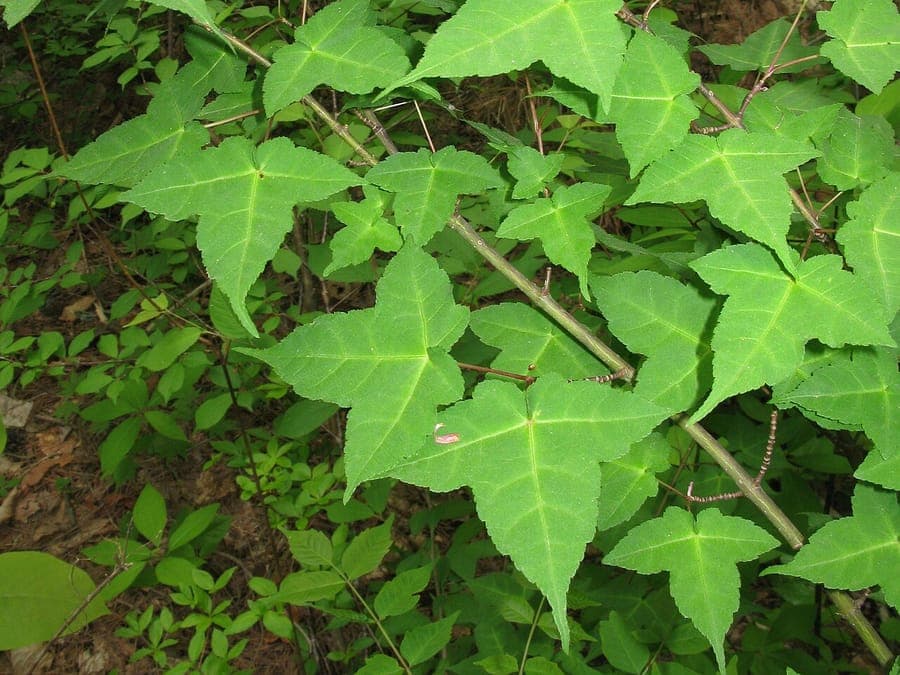
Qwert1234 / CC BY-SA 3.0, via Wikimedia Commons
Hawthorn maple: complete guide
Acer crataegifolium
¿Quieres ver Hawthorn maple: complete guide en tu jardín?
1 minuto, sin tarjeta de crédito
Overview
The Hawthorn maple (Acer crataegifolium), also known as hawthorn-leaf maple, is an elegant ornamental tree native to Japan and belonging to the Sapindaceae family. This exceptional cultivar was first scientifically described in 1845 and has become prized in gardens worldwide for its refined appearance and unique foliage. The tree earns its common name from its distinctly hawthorn-like leaves, an unusual characteristic among maples.
Appearance and Bloom
The Hawthorn maple develops into a medium to large tree with an open, graceful crown. The most striking feature is its deeply lobed foliage resembling hawthorn leaves - completely unlike typical maple leaves with their palmate structure. Spring leaves emerge in fresh green, deepen during summer, and transform in autumn with stunning yellow, orange, and red hues.
Small, inconspicuous greenish-yellow flowers appear in clusters during spring, attracting pollinators and birds. These are followed by characteristic winged fruits (samaras) tinged with red, which are visually attractive and dispersed by wind and wildlife.
Ideal Location
The Hawthorn maple performs best in full sun to partial shade, requiring at least four hours of direct sunlight daily for optimal growth and vibrant autumn color. The tree adapts well to light shade and tolerates dappled shade, though fall coloration develops most intensely in full sun exposure.
Native to Japan's temperate climate, this tree suits gardens in similar zones. Plant in a location sheltered from harsh, drying winds that can damage foliage. A northeast-facing exposure often works wonderfully.
Soil
This maple prefers nutrient-rich, well-draining soil. An ideal pH range of 5.5 to 7.0 (slightly acidic to neutral) supports healthy development. The tree thrives in moist but not waterlogged conditions - stagnant water should be avoided. Incorporating compost or humus at planting time promotes vigorous growth.
While the tree tolerates moderately fertile soil, it performs best in nutrient-rich, well-structured soil.
Diseño gratis
¿Quieres ver Hawthorn maple: complete guide en tu jardín? Crea un diseño gratis ahora.
Watering
Newly planted trees require regular watering through their first growing season, especially during dry spells. Once established, the Hawthorn maple is reasonably drought-tolerant but grows better in consistently moist soil. Early morning watering is most efficient.
During dry summers, water weekly. Mulching around the base conserves moisture and maintains stable soil temperature.
Pruning
The Hawthorn maple requires minimal pruning and naturally develops an attractive form. Remove dead, diseased, or weak branches in late winter or early spring. Light shaping can be performed to maintain the elegant silhouette. Avoid excessive pruning that disrupts natural growth patterns.
Remove crossing or inward-growing branches to improve air circulation.
Maintenance Calendar
January-February: Planting opportunity; remove dead branches March-April: Growth begins; start regular watering May-June: Flowering period; consistent moisture July-August: Active growth; monitor mulch September-October: Autumn color develops; reduce watering November-December: Leaf drop; prepare for winter
Winter Hardiness
The Hawthorn maple is winter-hardy in temperate climates, thriving in USDA zones 5-8. The tree survives cold winters to approximately -4 Fahrenheit without damage. In very cold regions (zone 4), protecting young trees may be beneficial.
Companion Plants
Surround your Hawthorn maple with other trees and shrubs preferring nutrient-rich, moist soil:
- Other Japanese maples
- Winter-hardy bamboos
- Shade-tolerant groundcovers
- Azaleas and rhododendrons
- Shade-loving hostas
Closing Remarks
The Hawthorn maple is a refined choice for gardens where elegance and subtle beauty are valued. With its unique foliage, attractive red fruits, and stunning autumn display, this Japanese tree provides year-round visual interest. Whether creating a contemporary garden or incorporating Japanese elements, this exceptional tree merits a place of honor.
Available at garden centers and specialty nurseries. For personalized garden advice and planting recommendations, visit GardenWorld.app.
¿Quieres ver Hawthorn maple: complete guide en tu jardín? Crea un diseño gratis ahora.
Sube una foto, elige un estilo y obtén un diseño fotorrealista con lista de plantas en menos de un minuto.
Más de 10.000 jardines diseñados
Sin tarjeta de crédito


Plantas similares
Acer pycnanthum: complete guide
Acer pycnanthum
Acer pycnanthum, the Japanese swamp maple, is a fast-growing tree with early red flowers and brilliant autumn color, ideal for damp garden settings.
Freeman maple: complete guide
Acer × freemanii
Everything about the Freeman maple (Acer x freemanii): a fast-growing shade tree with spectacular autumn colour for large gardens.
Wild ackee: complete guide
Cupania americana
A comprehensive guide to Cupania americana, a tropical tree from the Sapindaceae family with conspicuous white flowers and brown fruits, native to tropical America.