
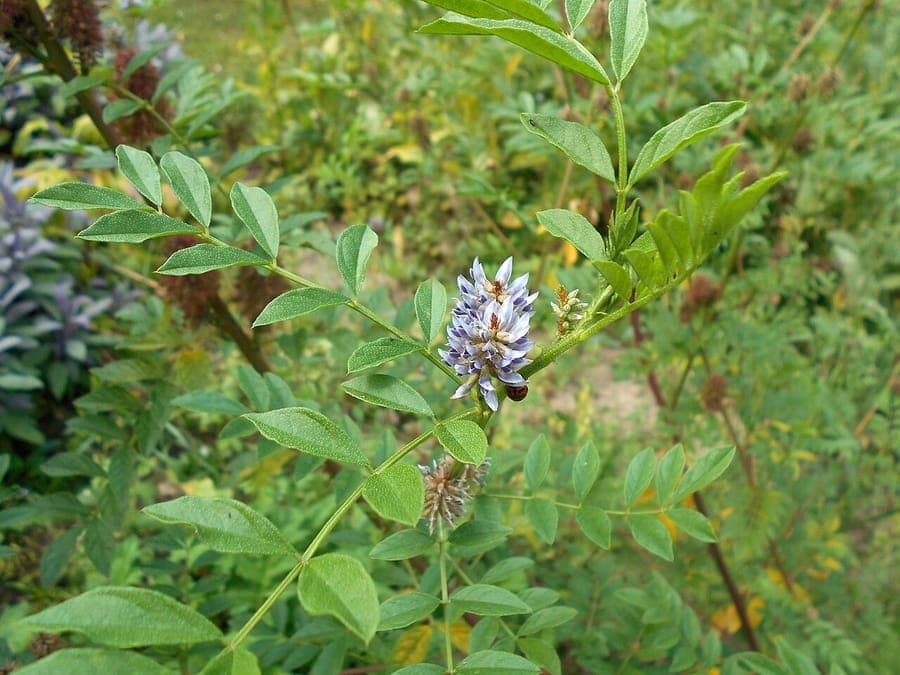
Salicyna / CC BY-SA 4.0, via Wikimedia Commons
Glycyrrhiza echinata: Pflege von Russischem Süßholz im Garten
Glycyrrhiza echinata
Mochten Sie Glycyrrhiza echinata: Pflege von Russischem Süßholz im Garten in Ihrem Garten sehen?
1 Minute, keine Kreditkarte
Overview
Glycyrrhiza echinata, auch Römisches oder Russisches Süßholz genannt, ist eine anspruchslose Staude aus der Familie der Hülsenfrüchtler. Ursprünglich aus Osteuropa und Vorderasien, wächst sie gut in deutschen Gärten mit gemäßigtem Klima. Im Gegensatz zu Glycyrrhiza glabra wird sie nicht zur Gewinnung von Süßwurzel genutzt, doch ihr dekorativer Wert ist hoch. Mit gardenworld.app kannst du Wachstum und Pflegezyklus einfach verfolgen und in deinen Gartenplan einbinden.
This aspect is crucial for successful plant cultivation and should be carefully considered when planning your garden layout. Taking time to understand these requirements will result in healthier plants and more satisfying gardening results over the long term.## Appearance & bloom cycle Die Pflanze erreicht 60 bis 100 cm Höhe und bildet aufrechte, verzweigte Stängel mit gefiederten, dunkelgrünen Blättern. Von Juni bis August erscheinen traubige Blütenstände mit purpurfarbenen Schmetterlingsblüten. Danach entwickeln sich charakteristische stachelige Fruchthülsen - der Grund für den Artzusatz "echinata" (stachelig). Diese Hülsen bleiben lange sichtbar und bieten auch im Herbst Struktur. Die Form ist buschig und eignet sich gut für Hintergrundpflanzungen.
Careful attention to these guidelines will ensure your plants thrive throughout the growing season and beyond. Regular monitoring and timely interventions based on plant needs are essential for maintaining plant health and vigor in your garden environment.## Ideal location Vollsonne bis Halbschatten. An heißen Standorten verträgt sie etwas Schatten am Nachmittag. Braucht Platz zum Ausbreiten - mindestens 40 cm Abstand zu Nachbarn. Ideal für trockene Beete, Steingärten oder naturnahe Gestaltungen. Auf gardenworld.app findest du Gestaltungsvorschläge für stabile Pflanzengemeinschaften.
This aspect is crucial for successful plant cultivation and should be carefully considered when planning your garden layout. Taking time to understand these requirements will result in healthier plants and more satisfying gardening results over the long term.## Soil requirements Gut durchlässiger, mäßig nährstoffreicher Boden ist optimal. Schwere Lehmböden sollten mit Sand oder Kompost verbessert werden. pH-Wert neutral bis leicht alkalisch (6.5–7.5). Staunässe vermeiden, da Wurzelfäule droht. Sandige Böden werden gut vertragen.
Careful attention to these guidelines will ensure your plants thrive throughout the growing season and beyond. Regular monitoring and timely interventions based on plant needs are essential for maintaining plant health and vigor in your garden environment.## Watering In der Erstanlage regelmäßiges Gießen nötig. Danach ist die Pflanze sehr trockenheitsverträglich. Nur bei längerer Trockenheit gezielt wässern, besonders im Sommer. Blattbefeuchtung vermeiden, um Pilzbefall zu reduzieren. Tropfbewässerung ist ideal.
This aspect is crucial for successful plant cultivation and should be carefully considered when planning your garden layout. Taking time to understand these requirements will result in healthier plants and more satisfying gardening results over the long term.## Pruning Kein Schnitt nötig. Im Frühjahr altes Stängelwerk auf 10 cm zurückschneiden, um Neuaustrieb zu fördern. Im Winter stehen lassen - dient als Insektenwinterquartier und bietet Struktur. Samenstände nicht entfernen.
Careful attention to these guidelines will ensure your plants thrive throughout the growing season and beyond. Regular monitoring and timely interventions based on plant needs are essential for maintaining plant health and vigor in your garden environment.## Maintenance calendar
- Jan: Kontrolle auf Frostschäden
- Feb: Vorbereitung für Rückschnitt
- Mär: Rückschnitt, Kompost einarbeiten
- Apr: Austrieb beobachten, leicht mulchen
- Mai: Platz kontrollieren
- Jun-Aug: Blütezeit, mäßig gießen
- Sep: Fruchtbildung beobachten
- Okt: Pflanze stehen lassen
- Nov: Bei schwerem Boden leicht abdecken
- Dez: Ruhephase
This aspect is crucial for successful plant cultivation and should be carefully considered when planning your garden layout. Taking time to understand these requirements will result in healthier plants and more satisfying gardening results over the long term.## Winter hardiness Winterhart bis -15°C (USDA Zone 7b). Zieht im Herbst vollständig ein und treibt im Frühjahr wieder aus. Auf lockeren Böden braucht sie keinen Schutz. Auf schweren Böden hilft eine dünne Mulchschicht aus Laub oder Stroh.
Careful attention to these guidelines will ensure your plants thrive throughout the growing season and beyond. Regular monitoring and timely interventions based on plant needs are essential for maintaining plant health and vigor in your garden environment.## Companion plants Kombiniere mit trockenheitsliebenden Stauden wie Salvia, Echinacea oder Gräsern. Vermeide konkurrenzstarke Flächenräuber. Passt gut in Kräuterbeete mit Thymian oder Oregano. Der aufrechte Wuchs kontrastiert mit hängenden Formen wie Nepeta.
This aspect is crucial for successful plant cultivation and should be carefully considered when planning your garden layout. Taking time to understand these requirements will result in healthier plants and more satisfying gardening results over the long term.
In addition to the specific care requirements outlined above, successful cultivation of this plant depends on consistent attention to its environmental needs. Gardeners should monitor soil moisture regularly, observe the plant for any signs of stress or disease, and adjust care practices according to seasonal variations in weather and growing conditions. When sourcing plants or seeds, purchase from reputable nurseries or specialized suppliers that guarantee quality specimens. Remember that establishing healthy plants takes time and patience, but the results are well worth the investment in proper care and maintenance techniques.
For specific regional advice or if you encounter any challenges, consult with local horticultural experts or extension services in your area. These professional resources can provide tailored recommendations based on your specific growing conditions and climate zone. Additionally, online gardening communities and forums offer valuable peer support and shared experiences from fellow gardeners cultivating the same species. Regular participation in garden clubs or horticultural societies can also provide ongoing education and networking opportunities with other plant enthusiasts.## Closing Glycyrrhiza echinata ist eine robuste, pflegeleichte Staude mit hohem ökologischem Wert. Keine essbare Süßwurzel, aber eine Bereicherung für jeden naturnahen Garten. Erhältlich bei OBI und Hornbach. Nutze gardenworld.app für Pflegetipps und Wachstumsprotokolle.
Mochten Sie Glycyrrhiza echinata: Pflege von Russischem Süßholz im Garten in Ihrem Garten sehen? Erstellen Sie jetzt ein kostenloses Design.
Foto hochladen, Stil wahlen und in unter einer Minute ein fotorealistisches Design inklusive Pflanzenliste erhalten.
Keine Kreditkarte erforderlich


Ähnliche Pflanzen
Hohe Seidenlupine: kompletter Ratgeber
Lupinus elatus
Die hohe Seidenlupine ist eine schnellwachsende kalifornische Staude mit silbrigem Laub und blauvioletten Blütenähren, ideal für Präriegärten.
Garfield-Lupine: kompletter Ratgeber
Lupinus garfieldensis
Die Garfield-Lupine ist eine seltene, kraftvolle amerikanische Staude für kalkhaltige, trockene Präriegärten mit auffälligen blauen Blütenähren.
Lupinus elegans: kompletter Ratgeber
Lupinus elegans
Lupinus elegans, die elegante Lupine, ist eine spektakuläre Blütenpflanze aus Mexiko mit blauen Blütentrauben. Pflanzung und Pflanzenpflege.