
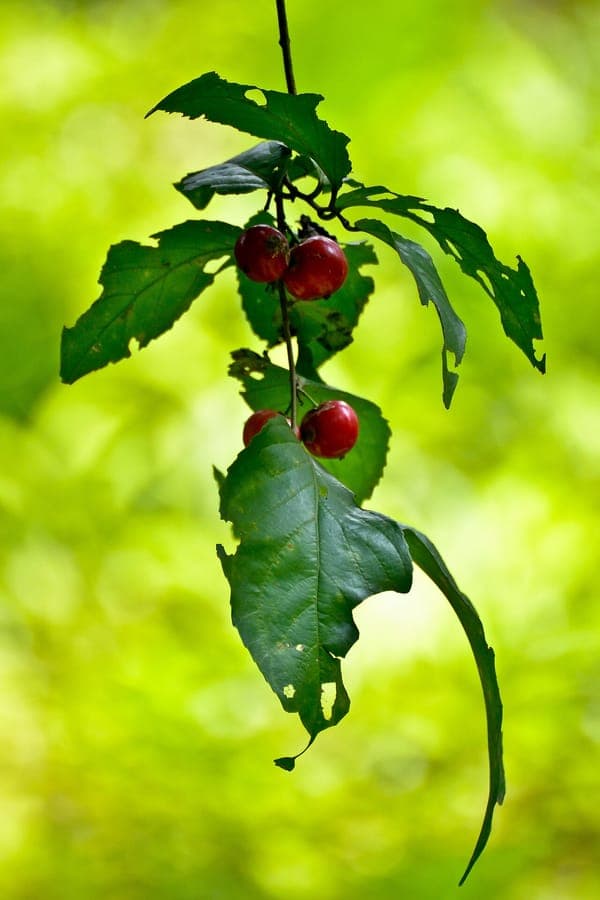
K Hari Krishnan / CC BY-SA 3.0, via Wikimedia Commons
Flacourtia inermis: complete guide
Flacourtia inermis
Mochten Sie Flacourtia inermis: complete guide in Ihrem Garten sehen?
1 Minute, keine Kreditkarte
Overview
Flacourtia inermis, commonly known as Batoko Plum, Lovi-lovi, or Prunier de la Martinique, is a fascinating tropical fruit tree originating from Malesia (Indonesia, Malaya, and surrounding islands). This member of the Salicaceae family (the same family as willows and poplars) combines attractive structure with tasty, edible fruits.
The tree has been cultivated in Southeast Asian gardens for centuries and is now spread to tropical and subtropical regions worldwide. With its compact growth, dense canopy, and productivity, it's ideal for fruit gardens and tropical landscape designs. The plant requires moderate care but appreciates consistently warm weather.
Appearance and Bloom
Flacourtia inermis grows as a medium-sized tree or large shrub approximately 4-8 meters tall (more compact in containers, 2-3 meters). The plant has attractive, elegant leaves with fine texture and green coloration.
The blooms are subtle - small, inconspicuous flowers appear in clusters. The fruits are the true highlight! These are dark red to black, approximately 1-2 centimeters in diameter, and contain numerous small seeds surrounded by sweet, juicy fruit pulp. The fruits grow in abundant clusters along branches, giving the tree a bird-attractive appearance.
Ideal Location
Flacourtia inermis thrives best in warm, tropical to subtropical climate. Place the tree in full sun to partial shade. Minimum 6-8 hours of direct sunlight daily is ideal for optimal fruit production.
The tree is frost-sensitive and cannot grow outdoors in cold climates. In temperate regions, grow the plant in containers and bring indoors in winter. The tree can grow well in containerized form and is suitable for greenhouse gardens and conservatories.
Soil
Flacourtia inermis is not fussy about soil type. The tree grows in acidic to alkaline soils (pH 4.5-8.0) and tolerates moderately fertile to very fertile soils. For optimal fruit production, work in organic matter and balance nutrients.
Well-draining soil is essential - waterlogging is detrimental. For container culture, use very fertile potting soil enriched with compost. Ensure containers have drainage.
Kostenloses Design
Mochten Sie Flacourtia inermis: complete guide in Ihrem Garten sehen? Erstellen Sie jetzt ein kostenloses Design.
Watering
Flacourtia inermis appreciates regular water, especially during growing and fruiting seasons. Water deeply but allow soil to dry between waterings. Excessive watering can cause root rot.
In containers, monitor moisture levels carefully. Keep soil moist but not soggy. During dry periods, daily misting helps maintain humidity levels. The plant appreciates humidity.
Pruning
Flacourtia inermis requires moderate pruning to maintain form. Remove dead or damaged branches yearly. After fruit harvest, remove weak or overgrown branches.
Light formative pruning can improve productivity. The tree can be pruned to desired size and shape. Avoid very heavy pruning which can interrupt growth.
Maintenance Calendar
Spring (February-May): Growth and possible bloom. Regular watering. Monitor for pests. Possible feeding.
Summer (June-August): Fruit development. Consistent watering. Check for insect pests. Water regularly.
Autumn (September-November): Fruit ripeness. Gradually reduce watering. Harvest fruits.
Winter (December-January): Dormancy. Minimal watering. In cold areas, bring indoors.
Winter Hardiness
Flacourtia inermis is very frost-tender. The tree cannot tolerate temperatures below approximately 10 degrees Celsius and will die at -5 degrees or lower. This is a true tropical plant.
In areas with winters cooler than 15 degrees Celsius, the tree must be overwintered as a container plant indoors. In pure tropical areas (zones 11-13), the tree can remain outdoors year-round. Frost protection is crucial.
Companion Plants
Flacourtia inermis can be beautifully planted with other tropical fruit trees: Mango, Avocado, Guava, and Citrus. Also combine with ornamental tropical plants: Hibiscus, Bougainvillea, and Plumeria. The compact form fits well in mixed tropical borders.
Closing
Flacourtia inermis offers a unique combination of ornamental value and edible fruits for tropical and subtropical gardens. With regular water, moderate pruning, and frost protection, this tree can produce fruits for years. Suitable retailers in tropical regions.
Discover more tropical fruit trees on gardenworld.app and grow your own tropical fruit garden!
Mochten Sie Flacourtia inermis: complete guide in Ihrem Garten sehen? Erstellen Sie jetzt ein kostenloses Design.
Foto hochladen, Stil wahlen und in unter einer Minute ein fotorealistisches Design inklusive Pflanzenliste erhalten.
Schon 10.000+ Garten gestaltet
Keine Kreditkarte erforderlich


Ähnliche Pflanzen
Grau-Pappel: kompletter Ratgeber
Populus x canescens
Alles ueber die Grau-Pappel - ein grosser Hybridbaum mit silbergrauem Laub, ideal als Windschutz oder markante Solitaergehoelz in weiten Gaerten und Parklandschaften.
Populus adenopoda: kompletter Ratgeber
Populus adenopoda
Chinesische Espe: ein schnell wachsender Baum fur grosse Garten. Anbau-, Schneidetipps und Verwendung als Windschutz oder Schattenbaum.
Populus fremontii: kompletter Ratgeber
Populus fremontii
Die Fremont-Pappel ist ein majestätischer amerikanischer Baum mit schnellem Wachstum und Trockentoleranz. Lesen Sie unseren Leitfaden zur Kultivierung.