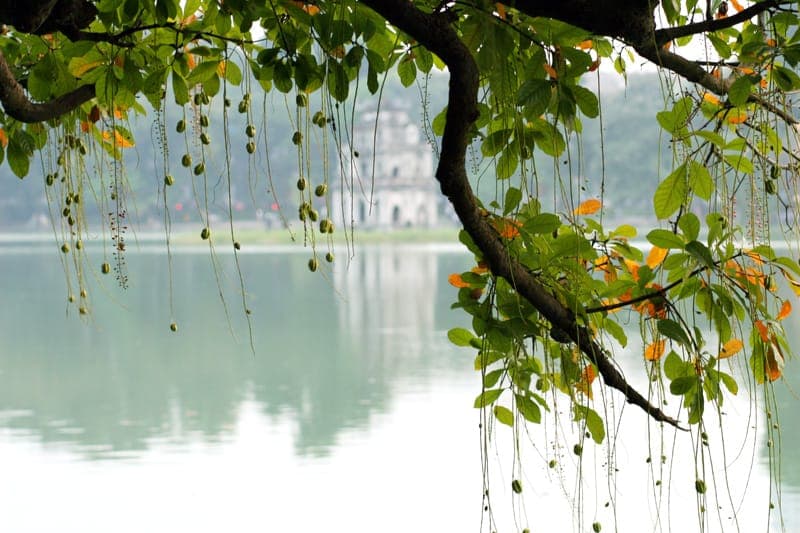
Nguyen Quang Tuan / CC BY 2.0, via Wikimedia Commons
Freshwater mangrove: complete guide
Barringtonia acutangula
Möchtest du Freshwater mangrove: complete guide in deinem Garten sehen?
Kompletter Entwurf in HD: 7,99 €
Freshwater mangrove pflegen mit der GardenWorld-App
Erkenne Pflanzen mit deiner Kamera und bekomme einen Pflegekalender mit Erinnerungen für diese Pflanze.


Overview
Barringtonia acutangula, known as freshwater mangrove or Indian oak, is a tropical tree of Asian origin ranging from Afghanistan to Australia. This impressive tree grows along waterways and in wet habitats in the warmer regions of Asia and the Pacific. The plant is renowned for its stunning reddish flowers and large, decorative square fruits.
The freshwater mangrove is a fascinating choice for gardeners in warm climates or very large indoor spaces. The tree combines elegant floral displays with interesting fruits and exotic foliage.
Appearance and Bloom
Barringtonia acutangula is a mid-sized tree reaching 8 to 15 meters tall in its natural habitat, though pot-grown specimens remain much smaller. The bark is smooth and light gray. The leaves are large, elongated, glossy leaves arranged in groups on branches, creating an elegant, tiered foliage pattern.
The flowers are highly spectacular - large, delicate pink to red flowers with conspicuous long stamens. They appear in large, pyramidal clusters and have a light fragrance. Flowers are followed by large square yellow-green fruits attractive to many insects and bird species.
Ideal Location
The freshwater mangrove grows best in full sun to partial shade. At least 6 hours of direct sunlight daily promotes flowering. The tree tolerates lower light but produces fewer blooms. An airy, warm location is essential.
Shelter from strong winds is beneficial, though the tree is fairly wind-resistant. In warm tropical environments (greenhouses, atriums) the tree grows best.
Soil Composition
The freshwater mangrove thrives in moisture-retentive, nutrient-rich soils. A mixture with substantial organic matter, peat or coconut coir, and well-draining sand provides ideal growing conditions. pH should be neutral to slightly acidic (6.0 to 7.0).
The tree loves moisture-rich soils but can tolerate periodic dry spells, especially once mature. A mulch layer helps retain moisture.
Gratis-Vorschau
Möchtest du Freshwater mangrove: complete guide in deinem Garten sehen? Erstelle eine gratis Vorschau deines Entwurfs.
Watering
During establishment, water regularly. The plant prefers consistent moisture levels. Check soil regularly and water when the top 5 cm feels dry. In containers, more frequent watering than ground plantings is needed.
During severe drought, water deeply. Once established, mature trees in their natural habitat can tolerate extended drought, but in container culture regular watering remains important. Drainage must always be excellent.
Pruning and Maintenance
The tree requires minimal pruning for form maintenance. Remove dead, damaged, or crossing branches in early spring. For potted trees, light pruning after flowering helps maintain a more compact silhouette.
Protection against pests and diseases is essential in warm, humid environments. Check regularly for infestations.
Maintenance Calendar
- Spring (April-May): Begin feeding; water consistently; prune deadwood
- Summer (June-August): Frequent watering; protect from extreme heat; enjoy blooms
- Fall (September-October): Gradually reduce watering; taper feeding to none
- Winter (November-March): Minimal water; no feeding; protect from cold
Winter Hardiness
The freshwater mangrove is absolutely not cold-hardy. The tree cannot tolerate temperatures below 15 degrees Celsius and performs best at 20 to 30 degrees Celsius. In Dutch climates, this tree must remain in warm indoor spaces year-round.
Avoid temperature fluctuations, cold drafts, and cold windows.
Companion Plants
In warm, humid environments, Barringtonia combines well with:
- Other tropical trees
- Heliconia and tropical flowers
- Ginger (Zingiber officinale)
- Bananas (Musa)
- Other Lecythidaceae family members
Together they create an authentic tropical forest atmosphere.
Closing
The freshwater mangrove is a stunning, exotic choice for gardeners with large warm spaces and dedication to tropical cultivation. With proper moisture levels, warmth, and sun, this tree will provide years of impressive flowering and interesting fruits.
Explore more tropical and exotic trees on gardenworld.app. Learn how to create authentic tropical environments. Visit gardenworld.app for all your plant care and design inspiration needs.
Frequently asked questions about Freshwater mangrove
Is Freshwater mangrove winter hardy?
The freshwater mangrove is absolutely not cold-hardy. The tree cannot tolerate temperatures below 15 degrees Celsius and performs best at 20 to 30 degrees Celsius.
When and how do you prune Freshwater mangrove?
The tree requires minimal pruning for form maintenance. Remove dead, damaged, or crossing branches in early spring.
How much water does Freshwater mangrove need?
During establishment, water regularly. The plant prefers consistent moisture levels.
Where does Freshwater mangrove grow best?
The freshwater mangrove grows best in full sun to partial shade. At least 6 hours of direct sunlight daily promotes flowering.
What soil does Freshwater mangrove need?
The freshwater mangrove thrives in moisture-retentive, nutrient-rich soils. A mixture with substantial organic matter, peat or coconut coir, and well-draining sand provides ideal growing conditions. pH should be neutral to slightly acidic (6.0 to 7.0).

Sieh es in deinem Garten
Freshwater mangrove in deinem Garten
Ein Foto deines Gartens und ein paar Fragen. Nach etwa einer Minute siehst du das Ergebnis.
Mit einem Foto ausprobierenErkenne diese Pflanze in deinem eigenen Garten. Pflanze erkennen
Ähnliche Pflanzen
Barringtonia asiatica: complete guide
Barringtonia asiatica
Discover the Mango-pine tree, a spectacular tropical tree with stunning flowers. Learn care requirements, growth patterns, and garden design integration.
Brackwater Mangrove: complete guide
Barringtonia racemosa
Discover the brackwater mangrove with spectacular hanging flower spikes. Complete care guide for this tropical tree suited to waterside gardens.
Lecythis zabucajo: kompletter Ratgeber
Lecythis zabucajo
Lecythis zabucajo ist ein prachtiger tropischer Baum aus dem Amazonas Regenwald. Erfahren Sie, wie Sie diesen exotischen Fruchtbaum anbauen und pflegen.
